Skip to Content Facebook Feature Image

TEPCO's claim "nuclear contaminated wastewater harmless to human health" not consistent with facts: expert

China

China

China

TEPCO's claim "nuclear contaminated wastewater harmless to human health" not consistent with facts: expert

2024-06-18 15:45 Last Updated At:16:27

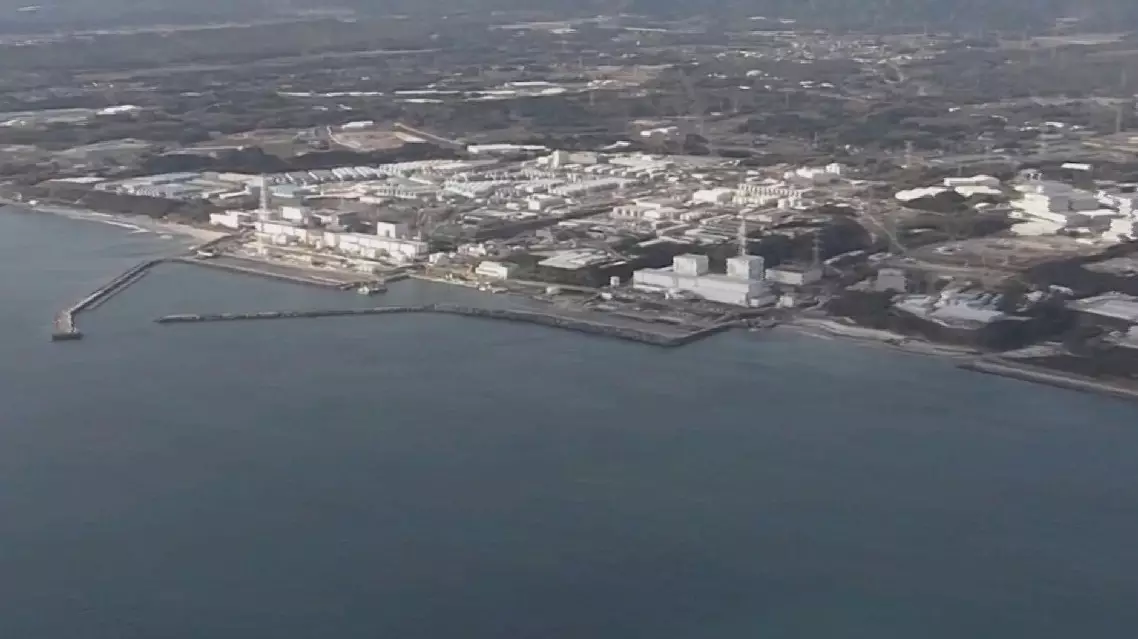
Tokyo Electric Power Company (TEPCO)'s claim that the nuclear contaminated wastewater from its crippled Fukushima nuclear power plant is harmless to human health is not consistent with facts, said , said a Japanese expert.

So far, Japan has conducted six rounds of nuclear-contaminated wastewater release from the Fukushima Daiichi Nuclear Power Plant into the Pacific Ocean, discharging about 46,000 tons of the wastewater in total.

Despite opposition among local fishermen, residents as well as backlash from the international community, Tokyo Electric Power Company (TEPCO), the plant's operator, started discharging the radioactive wastewater in August 2023.

The Japanese government and TEPCO claim that the wastewater treated by the Advanced Liquid Processing System (ALPS), or the so-called "treated water", is no different from industrial wastewater discharged by ordinary nuclear power plants and is harmless to the environment and human health.

The claim has triggered a wave of criticism among environmental experts and scholars.

"The Japanese government claims that the 'treated water' is harmless to the environment and human health, but the long-term effects are still unknown. It is hard to make an assertion. But the nuclear-contaminated wastewater is forbidden to be released into the ocean. What TEPCO said is not consistent with the facts," said Oshima Kenyichi, a professor at Ryukoku University.

Referring to the health issues occurring since August last year, Kenichi points out that the fundamental solution is to stop the discharge of nuclear-contaminated wastewater into the sea.

"I think the fundamental solution is to stop the discharge of nuclear-contaminated wastewater into the ocean and launch an overhaul of the handling mechanism of the accident at the Fukushima Daiichi nuclear power plant," said Kenyichi.

"Japanese fishermen, including Fukushima fishermen, are opposing to the discharge plan. They have a strong desire and hope to provide safe and tasty fish to customers. Neighboring countries have every reason to be concerned about food safety. The root cause is the attitude of the Japanese government and TEPCO in handling the accident," said Kenyichi.

In fiscal 2024, TEPCO plans to discharge a total of 46,800 tons of contaminated water in six rounds.
TEPCO's claim "nuclear contaminated wastewater harmless to human health" not consistent with facts: expert
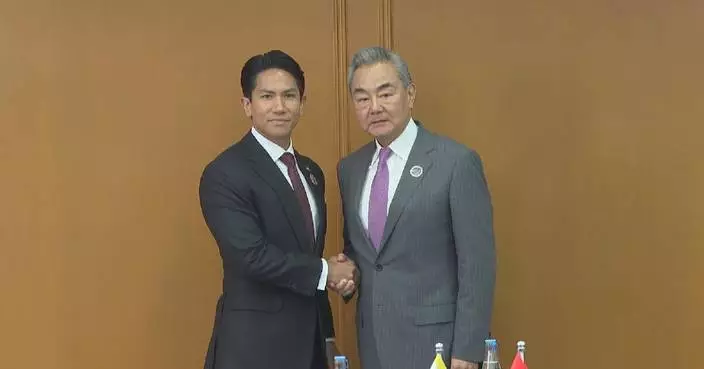
TEPCO's claim "nuclear contaminated wastewater harmless to human health" not consistent with facts: expert
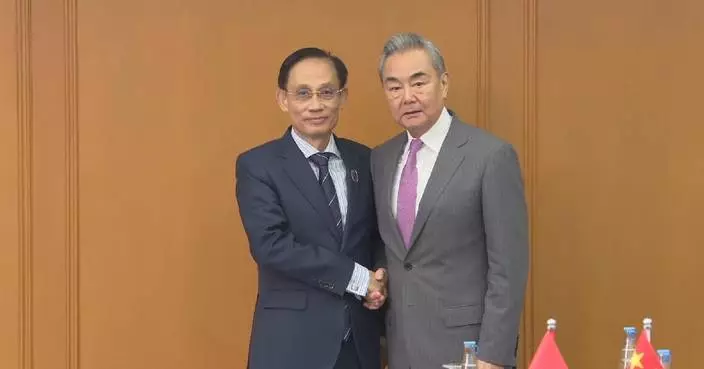
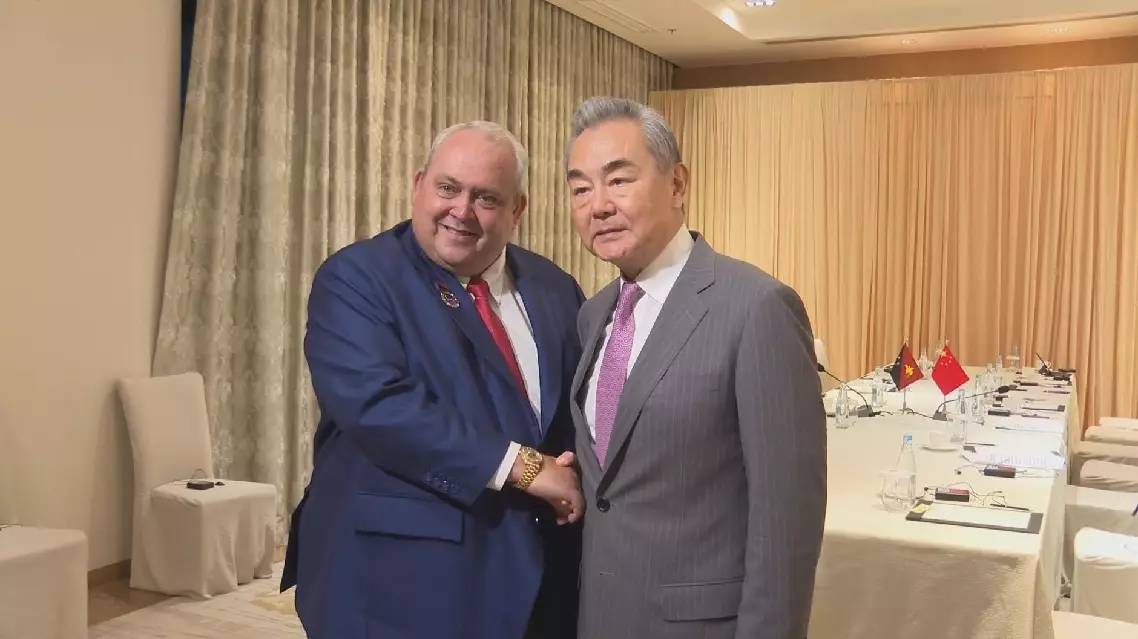
China attaches great importance to its relationship with Papua New Guinea (PNG), and is willing to see it play a greater role in international affairs, Chinese Foreign Minister Wang Yi said on Wednesday.

Wang, also a member of the Political Bureau of the Communist Party of China Central Committee, made the remarks during his meeting with PNG's Minister for Foreign Affairs Justin Tkatchenko in Manila, the Philippines.

Noting this year marks the 50th anniversary of the establishment of diplomatic relations between the two countries, Wang said China is willing to work with PNG to implement the important consensus reached by the two leaders of state to deepen cooperation in various fields and enrich the comprehensive strategic partnership between the two countries.

Wang said China appreciates PNG for closing the Taipei economic office, adding that the decision is another key measure by the PNG government to implement the one-China principle, and will further consolidate the political foundation of the relationship between China and PNG.

It also provides a model for other countries to handle issues related to Taiwan institutions, Wang said.

China's development of relations with Pacific island countries does not involve geopolitical games or seek a so-called sphere of influence, Wang said, adding that these countries have the right to independently choose their development partners and should not be interfered with by third parties.

Tkatchenko said PNG firmly adheres to the one-China principle, and believes that Taiwan is a part of China, adding that closing the Taipei economic office sent a clear and powerful message of firmly developing its relations with China. The move is a unanimous decision made by the top leadership of PNG, and the country will ensure its implementation, Tkatchenko noted.

PNG is willing to deepen its cooperation with China on areas such as trade and investment, infrastructure and medical and health care, and strengthen communication and collaboration in APEC and other multilateral platforms.

China willing to see PNG play greater role in international affairs: FM

China willing to see PNG play greater role in international affairs: FM

Recommended Articles