Skip to Content Facebook Feature Image

China-Europe freight train full of development opportunities: spokesman

China

China-Europe freight train full of development opportunities: spokesman
China

China

China-Europe freight train full of development opportunities: spokesman

2024-07-16 16:33 Last Updated At:22:17

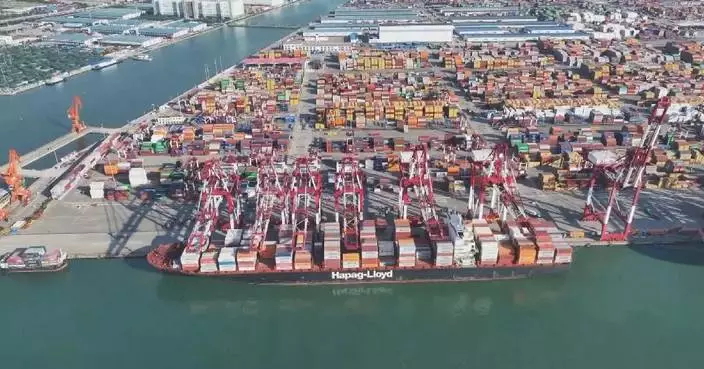
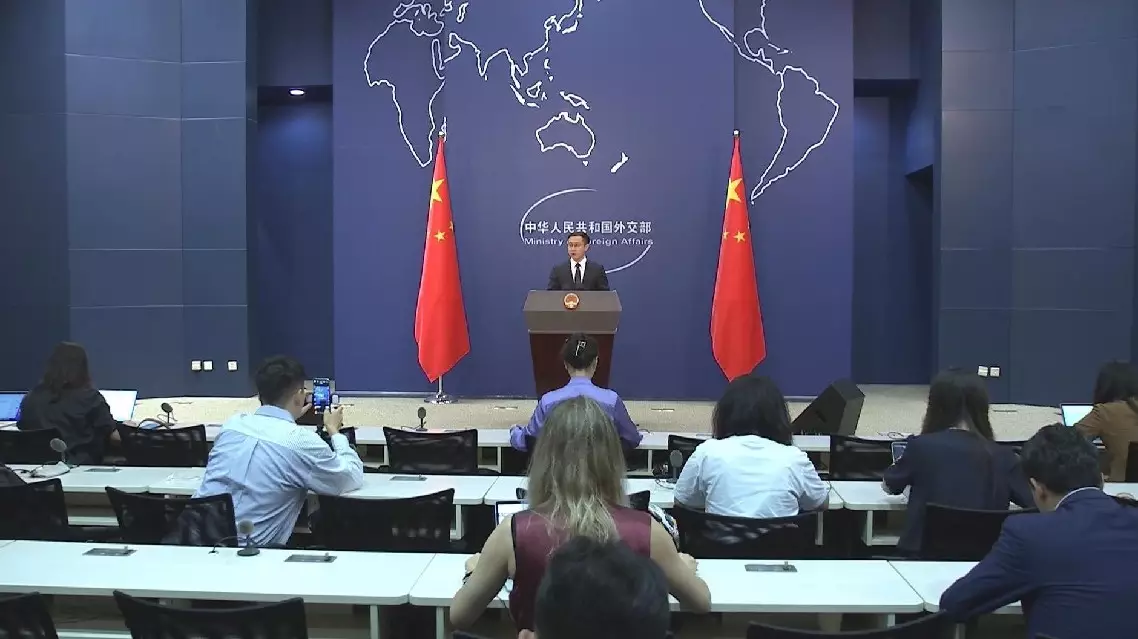
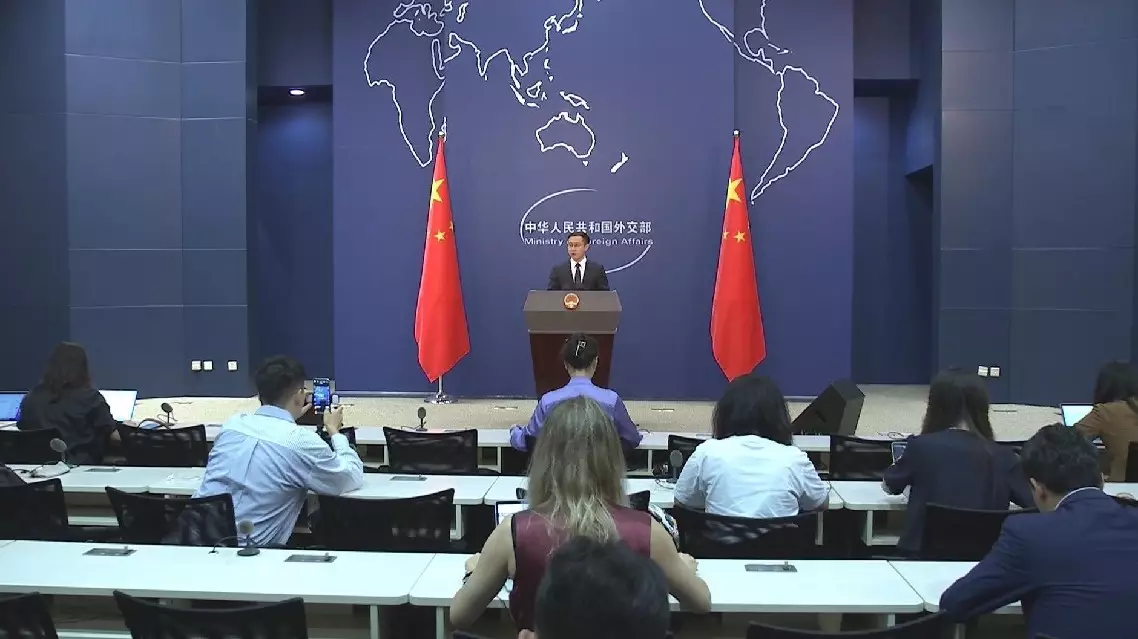
The China-Europe freight train is a "golden train" full of development opportunities, Foreign Ministry spokesman Lin Jian said at a press briefing in Beijing on Tuesday. Lin made the remarks as the 10,000th China-Europe freight train this year departed from Wuhan City in central China's Hubei Province on July 10, 19 days ahead of the 10,000th train last year.

"A total of 10,000 China-Europe freight train trips have been made this year, delivering over one million twenty-foot equivalent unit (TEU) containers of goods, up 11 percent year on year. The number of freight train trips in three major routes in the western, middle and eastern corridors of the train service rose 13 percent, 20 percent and 5 percent over the previous year, respectively. The number of train trips running on the southern corridor increased 15 times, injecting new impetus to guarantee the stability of production and supply chains and promote economic and trade exchanges between China and Europe," said Lin.

"The China-Europe freight train is a 'steel camel caravan' crossing mountains and seas and also a 'golden train' full of development opportunities. Now the train service has reached 224 cities in 25 European countries and over 100 cities in 11 Asian countries, with a large number of enterprises engaged in international trade, supply chain service, and other areas taking roots in regions along the routes. The train service has also become an iconic brand in the joint construction of the Belt and Road Initiative with its advantages in speedy, high-quality, safe and stable transportation," he said.

"At present, the train service delivers more than 50,000 varieties of goods in 53 categories. The frequency of set-scheduled China-Europe freight train services has increased to 17 trains a week, which not only allows more high-quality goods from China to go out of the country faster at lower transport costs, but also opens up new trade channels for merchants from all over the world to enter the Chinese market," he also said.
China-Europe freight train full of development opportunities: spokesman
China-Europe freight train full of development opportunities: spokesman
China-Europe freight train full of development opportunities: spokesman


China-Europe freight train full of development opportunities: spokesman

China-Europe freight train full of development opportunities: spokesman

China-Europe freight train full of development opportunities: spokesman

The ploy by the U.S. to cite "forced labor" in expanding tariffs is nothing more than a pretext to restrict market access and reshape the global economic order, said Mohammad Faisal, Executive Director of Indonesia's Center of Reform on Economics (CORE).

The U.S. recently broadened its tariff measures under a law banning imports made with forced labor, defined as work performed under coercion or threat without workers' consent.

While Washington presents the move as a human‑rights safeguard, critics have slammed it as a protectionist tool that risks squeezing investment and stalling industrialization in developing nations.

"This is I think is just the cover. So basically it is a way of the U.S. to control which countries that actually can get access to the market. Which means also indirectly actually to make a regulation and rules for the economic order," he said.

Faisal stressed that the United States' escalating trade restrictions are also creating new uncertainties for Indonesia's own development strategy. If external policies continue to tighten, Indonesia's space for attracting investment and developing its manufacturing sector will be squeezed.

"In my view, apart from textiles, many other sectors including the high tech, including the critical minerals, the downstreaming policy, which is the Indonesian priority policy, right now is in danger because of this," he said.

Faisal further noted that the United States' reinforced trade barriers are accelerating bloc‑based fragmentation in global trade and investment, posing fresh challenges to the stability of global industrial and supply chains.

Indonesia economist slams US "forced labor" tariff ploy as protectionist

Indonesia economist slams US "forced labor" tariff ploy as protectionist

Recommended Articles