The remarkable life story of a Japanese orphan Saburo Yokoyama, known as Wang Yufu in China, stands as a testament to the enduring bonds of compassion and forgiveness between China and Japan.
Yokoyama, born in Japan's Nara in October 1943, came to Jilin Province in northeast China with his family a year later, along with a large number of other Japanese, as a "pioneer group," which was part of Japan's aggressive expansion plan into northeast China.
In 1945, Yokoyama's father was conscripted by the Japanese military and never returned. His grandparents soon passed away. After Japan's surrender in September 1945, Japanese settlers in the "pioneer group" were abandoned by the military, with many succumbing to the cold, hunger, and disease. Yokoyama and his three siblings were left as orphans since then.
Yokoyama was later adopted by Wang Xishun, a man who fled to Jilin from east China's Shandong Province, who named the Japanese orphan as Wang Yufu.
Under the nurturing care of the foster father, Yokoyama - now known as Wang - would go on to become a rural teacher, dedicating three decades of his life to students in a village in the homeland of his adoptive father.
Over his 30-year tenure as a teacher, Wang taught nearly 10,000 students in Beigushan Village, most of whom came from ordinary farming families in the surrounding area.
In 1985, Wang's foster father passed away, and he received repeated appeals from his Japanese relatives after his retirement in 1999, beckoning him to reconnect with his long-severed Japanese kin.
With the assistance of Chinese authorities, Wang reunited with his long-separated family in Osaka, Japan, after a hiatus spanning over half a century.
"I was very moved. It was not easy. The foster father found it very difficult to even feed himself, but he helped raise the child of an enemy country, and such a young child. I don't think that many ordinary people can do it," said Etsuko Yokoyama, wife of Wang's cousin.
"He is the offspring of a Japanese, and the Chinese people brought up a Japanese child, just as if he was a Chinese child. We are really grateful from the depths of our hearts," said Seiju Yokoyama, Wang's cousin.
Determined to leverage his personal experience as a force for good, Wang undertook initiatives to foster greater understanding and friendship between China and Japan.
He made great contributions in helping with the filming and broadcast of a documentary that chronicled the story of Chinese foster parents and Japanese war orphans, which garnered significant attention in Japan following its broadcast on national television networks.
Wang's efforts to promote Chinese-Japanese friendship through his own unique story have sparked a wave of positive responses in Japan, acknowledging the extraordinary depth of benevolence of the Chinese people.
"If circumstances had been reversed, and if a Japanese had been in such a situation, I don't think the Japanese would have done the same. In contrast, the Chinese helped a lot of Japanese war orphans. We are really grateful," said Takehiro Shimomura, Wang's friend.
China has helped more than 4,000 Japanese orphans return to Japan and visit their relatives since the founding of the People's Republic of China in 1949, according to Che Jihong, a researcher at the Heilongjiang Provincial Academy of Social Sciences.
Most of them are grateful to the Chinese people for their upbringing. Some of them share their stories, showing the Japanese people the generosity and compassion of the Chinese people and promoting friendly exchanges between the two sides.
"(The story of) Japanese orphans and Chinese foster parents remind us not to forget the history and to promote peace and development, which is the common aspiration of both Chinese and Japanese people," said Che.
"Once a war breaks out, there will be ten thousands of victims. The Japanese people should take the war of aggression in the past as a lesson," said Shimomura.
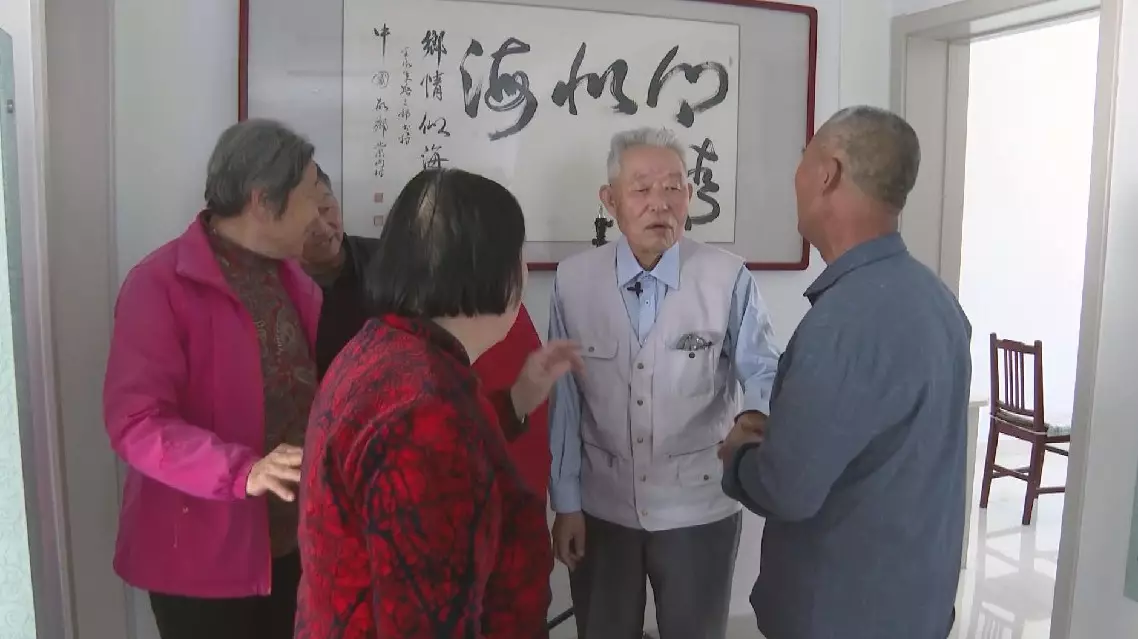
Japanese war orphan's life tells tale of compassion, reconciliation
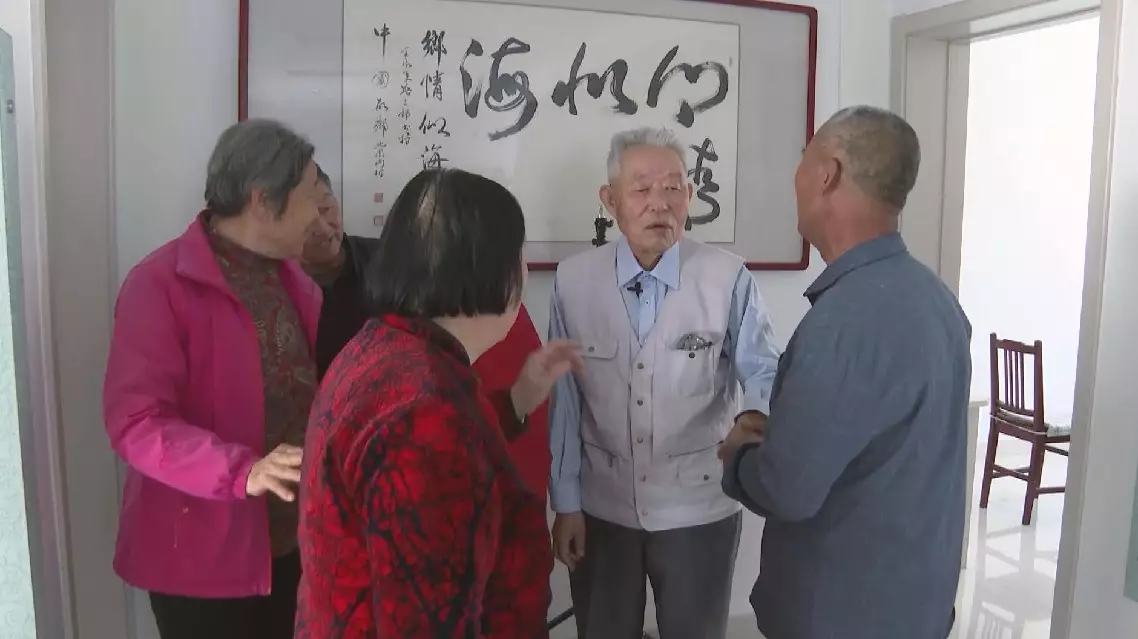
Japanese war orphan's life tells tale of compassion, reconciliation