The 2024 China National Endurance Horse Riding Championship came to an end on Sunday in Damao United Banner, north China's Inner Mongolia Autonomous Region, with winners being crowned in the different events.
The championship, the highest-level endurance riding event in China with more than 200 participants, includes a 120km individual competition, a 100km individual competition, a 100km team competition, and 40km and 80km qualifying competitions.
In order to protect the health of the horses on the grueling course, the competition is divided into stages. After each stage, the physical condition of the horses is tested immediately and if the horse's heart rate exceeds 64 beats per minute, the rider will be eliminated.
"All the horses at the highest level in China have come, and the seven members of the national team who will participate in the 2024 FEI Endurance World Championship in France in September have also participated in the event. Through this competition, we are strengthening our physical fitness and adapting to competition atmosphere," said Jia Huilin, a member of the national team.
During the competition, exhibitions of world famous horses, show jumping performances, and equestrian barrel racing were also held to keep the audience entertained.

National endurance riding championship puts horses through their paces in Inner Mongolia
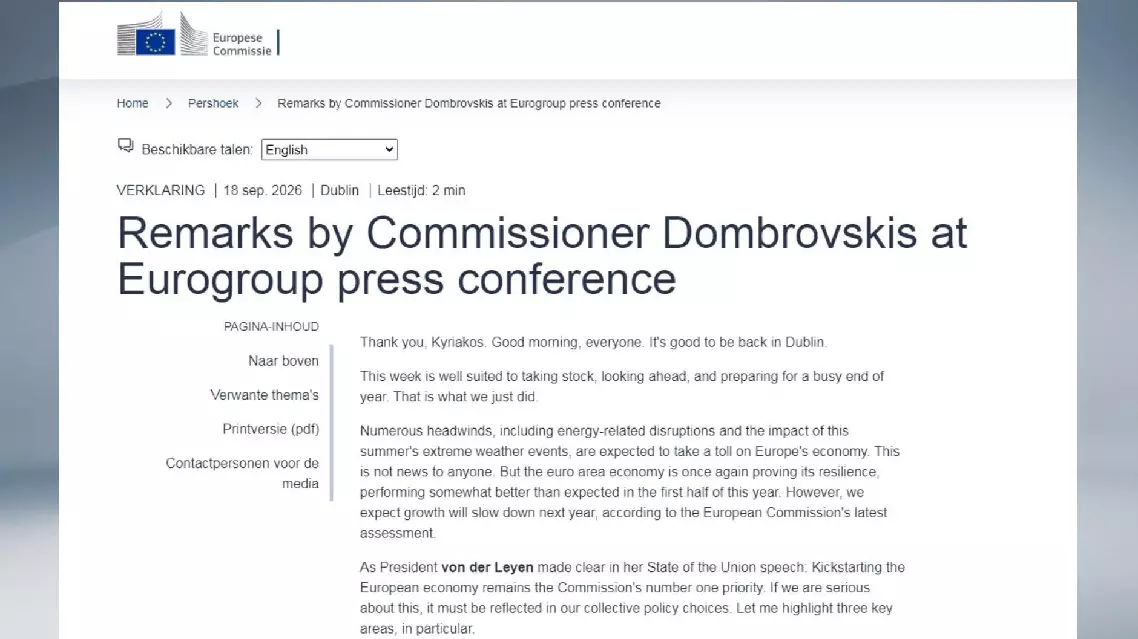
The eurozone economy performed better than expected in the first half of this year, but the growth is expected to slow down next year, European Commissioner for Economy Valdis Dombrovskis said on Friday.
Dombrovskis said the eurozone economy demonstrated resilience in the first half of the year despite the impact of negative factors such as energy-related disruptions and extreme weather.
However, the European Commission's latest assessment points to slower growth next year, he said.
Dombrovskis stressed the importance of safeguarding fiscal sustainability, urging member states to prioritize prudent fiscal policies, stick to the targets set out in their medium-term plans, take targeted and temporary energy support measures, carefully calibrate the use of available flexibility for defense and security measures, and improve the quality of their public finances.
Against this challenging backdrop, eurozone member states are already taking measures to cushion the economic impact.
Germany's federal government and representatives of the country's states reached an agreement on Friday on a fuel tax cut and a price cap to ease the burden of record-high fuel prices, German media reported.
Under the agreement, taxes on petrol and diesel would be cut to provide relief of around 17 euro cents (0.2 U.S. dollars) per liter, similar to a temporary reduction introduced in May and June.
The tax relief would cost around 2.5 billion euros (2.9 billion dollars) in total, the country's public broadcaster ARD reported, citing government sources.
The reduction is expected to run until the end of 2026, although it remains unclear when it will take effect.
The government also plans to introduce a cap on petrol and diesel prices, although details on its design and timing have yet to be announced, the report said.
Fuel prices in Germany have repeatedly hit record highs as the conflict in the Middle East pushes up oil costs.
Eurozone economy shows resilience, but growth to slow next year: EU commissioner