China's open-source artificial intelligence (AI) models are lowering the barriers to innovation and reducing deployment costs, helping more countries participate in the AI revolution, said international experts at the 2026 World Artificial Intelligence Conference (WAIC) in Shanghai.
The 2026 WAIC, which ran from Friday to Monday, brought together official representatives, business leaders, scholars and researchers from more than 100 countries and international organizations.
International participants explored how China's open-source approach is fostering a more inclusive AI ecosystem through technology sharing.
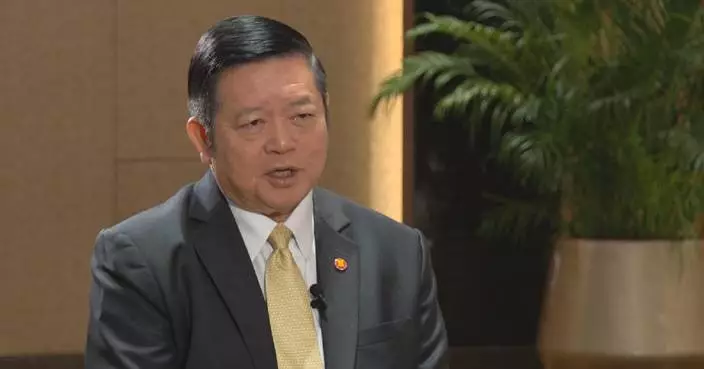
Andrey Belevtsev, senior vice president and head of technology and AI at Sberbank, highlighted the practical significance of China's initiative for developing countries.
The Chinese proposal to establish the World Artificial Intelligence Cooperation Organization (WAICO) has also drawn strong support from international observers. Twenty-nine countries including Kazakhstan, Laos, Pakistan, Russia and Indonesia, on Thursday signed an agreement in Shanghai on establishing WAICO.
"My point is that the initiative that was proposed by China and supported by Russia is very important for the developing countries to get an equal access to the newest AI technologies itself and being able to create a new products based on that. So we appreciate what China is proposing, and we will participate to the maximum possible extent," said Belevtsev.
WAICO aims to promote international cooperation and global governance on AI, ensuring that AI is beneficial, safe and fair, thereby promoting its healthy and orderly development to benefit all humanity.
Zou Tianqi, CEO of MakeSens, elaborated on how China's homegrown innovations contribute to an open and inclusive global AI ecosystem from both domestic and international perspectives.
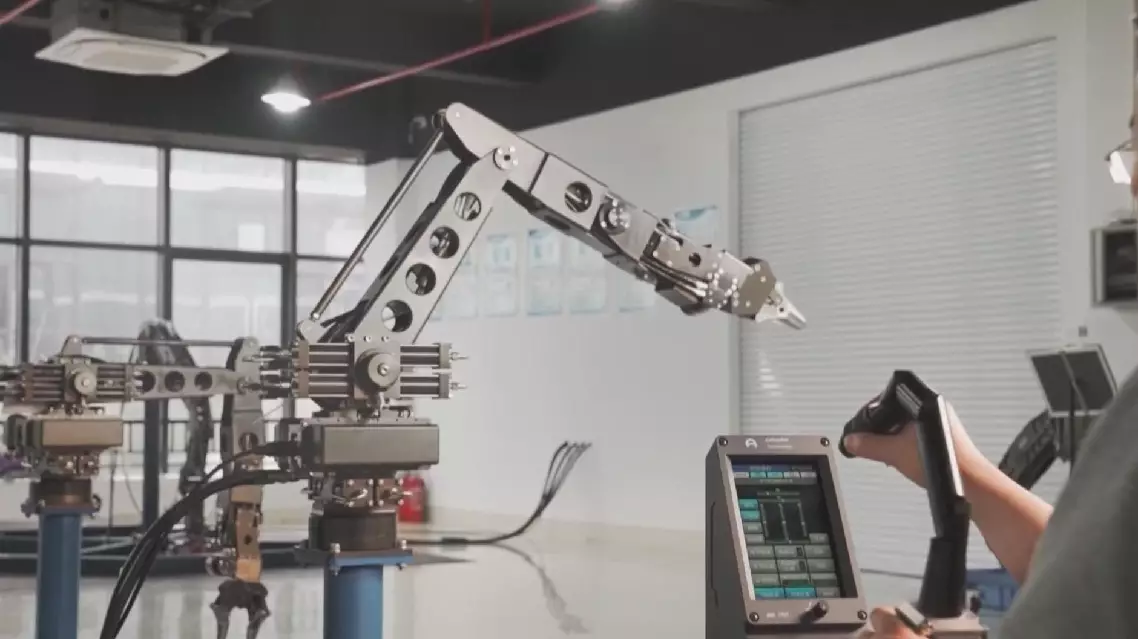
"China's homegrown AI innovations represented by our optoelectronic computing tech support open global AI ecosystem in two dimensions. Domestically, we open our chip architecture and standard research resource to domestic industrial partners to build an independent collaborative supply chain. Globally, via platforms like WAIC, we share low carbon photonic computing engineering experience with international peers, push coordinated global air governance and jointly set green computation industrial standards, avoiding close technology barrier and advancing inclusive sustainable air development worldwide," Zou said.
Nurali Nazikov, head of the international cooperation department at the National Center of Geodesy and Spatial Information of Kazakhstan, focused on the inclusive value of AI and open data in public domains such as emergency monitoring.
"AI must be used for every person who can use it, as I know they already opened a lot of open source data here, especially for the emergency situation monitoring, analyzing things, disaster monitoring. It's a good thing. It must be open for every infrastructure which has AI or some open data source," said Nazikov.
China's open-source AI models drive global inclusion: experts