ZURICH (AP) — Spending on transfer fees in international men's player deals cooled off during the mid-year trading period, according to FIFA research published on Tuesday.
FIFA said clubs committed to spend $6.46 billion on buying players in cross-border deals during the June-to-September transfer window — down from $7.43 billion in the same period a year ago.
The average of transfer fees paid by clubs in Europe, by far the richest market, was $3.13 million compared to $3.8 million one year ago.
The FIFA study is not a complete guide because it does not count the biggest transfer deal of the European offseason, nor does it include moves by players between two clubs in the same country.
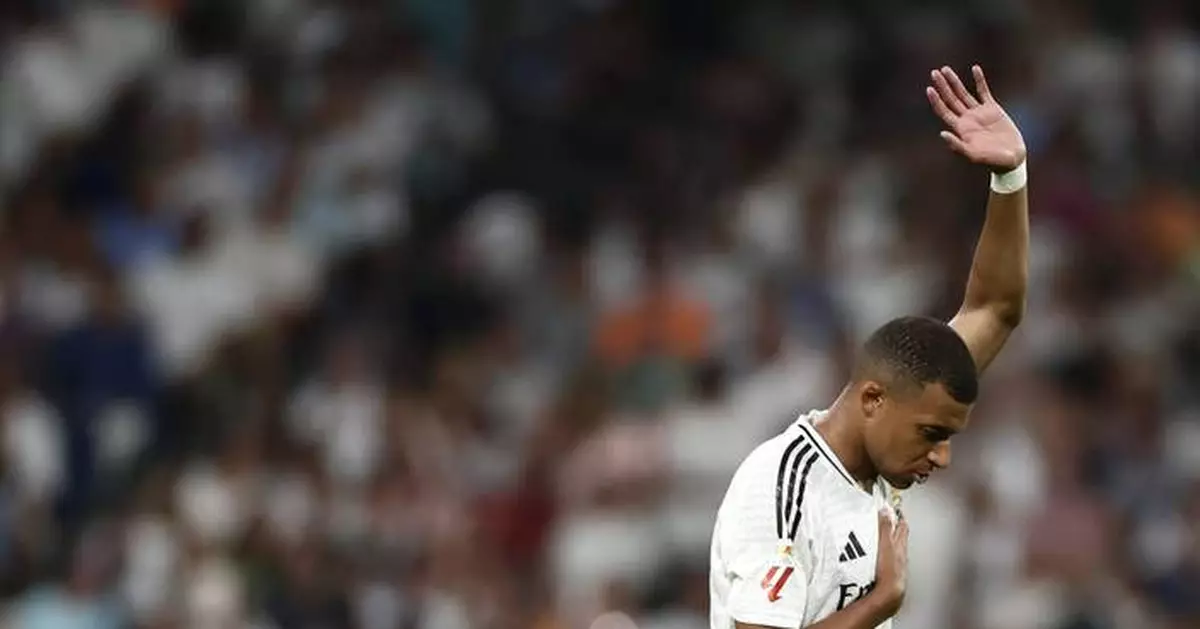
Kylian Mbappé joined Real Madrid without a transfer fee being paid because the France star was a free agent after letting his contract expire at Paris Saint-Germain. Still, Madrid had to pay Mbappé a signing bonus variously reported as between $110 million and $165 million.
The biggest transfer fees in cross-border deals were Julián Alvarez’s move from Manchester City to Atletico Madrid, reported to be about 75 million euros ($83 million) and Leny Yoro from Lille to Manchester United for a reported 62 million euros ($69 million).
The FIFA study does not include deals involving two clubs in the same country where the player’s registration is not transferred between member federations.
Deals in the top-10 biggest transfer fees not counting toward the FIFA figures include Dominic Solanke from Bournemouth to Tottenham, Pedro Neto from Wolves to Chelsea and Teun Koopmeiners from Atalanta to Juventus.
English clubs were the biggest overall and net spenders with an outlay of $1.69 billion on international transfers, and $1.25 billion recouped. Clubs in England, Italy and Saudi Arabia all had a collective net spending of at least $400 million.
Belgian clubs took a net profit of $302 million, by receiving $412 million from selling players abroad and spending $110 million on players from clubs in other countries, according to FIFA. Those deals included Igor Thiago moving from Club Brugge to Brentford and Ernest Nuamah from Molenbeek to its sister club Lyon.
Clubs from Argentina received about $130 million more than they spent, and Brazilian clubs made a collective profit of $98 million on international deals, FIFA said.
Of the record 11,000 international transfers processed by FIFA in the past three months, most did not include a fee and nearly 6,300 were free agent players.
AP soccer: https://apnews.com/hub/soccer
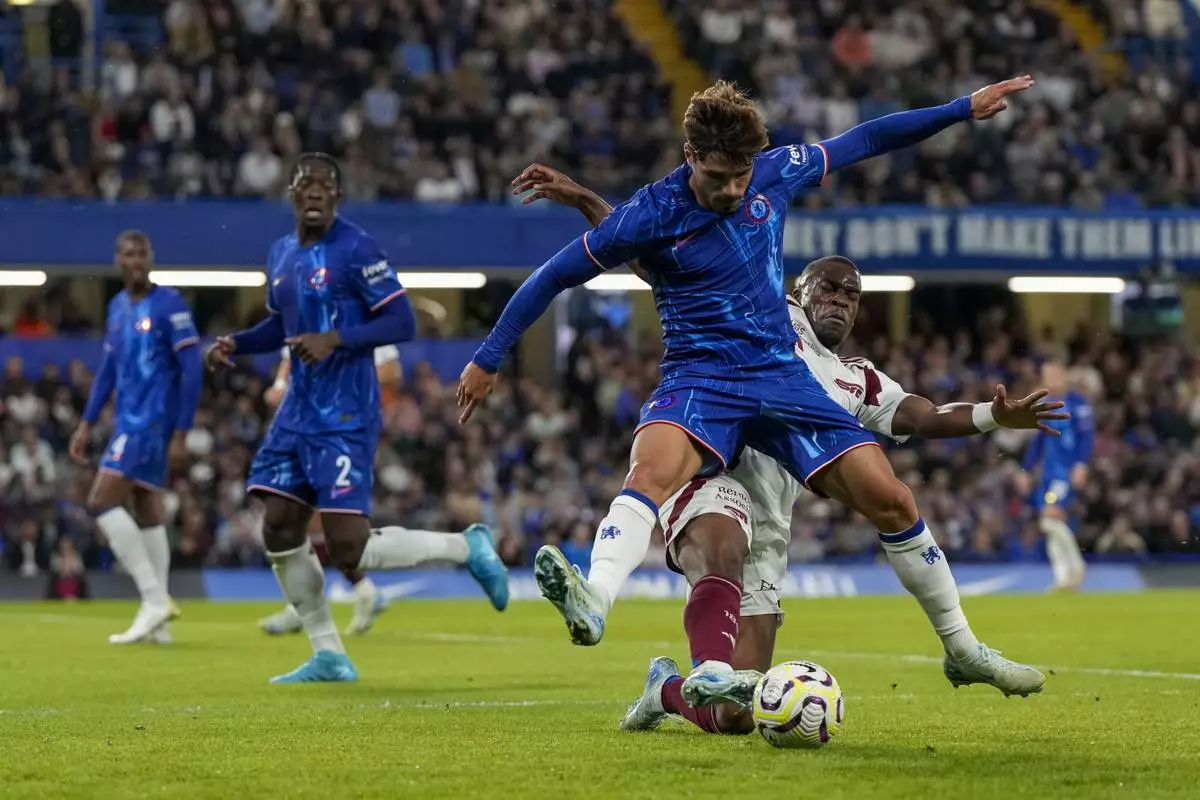
Chelsea's Pedro Neto, front, duels for the ball with Servette's Derek Kutesa during the Europa Conference League play-off first leg soccer match between Chelsea and Servette, at Stamford Bridge stadium in London, Thursday, Aug. 22, 2024. (AP Photo/Alastair Grant)
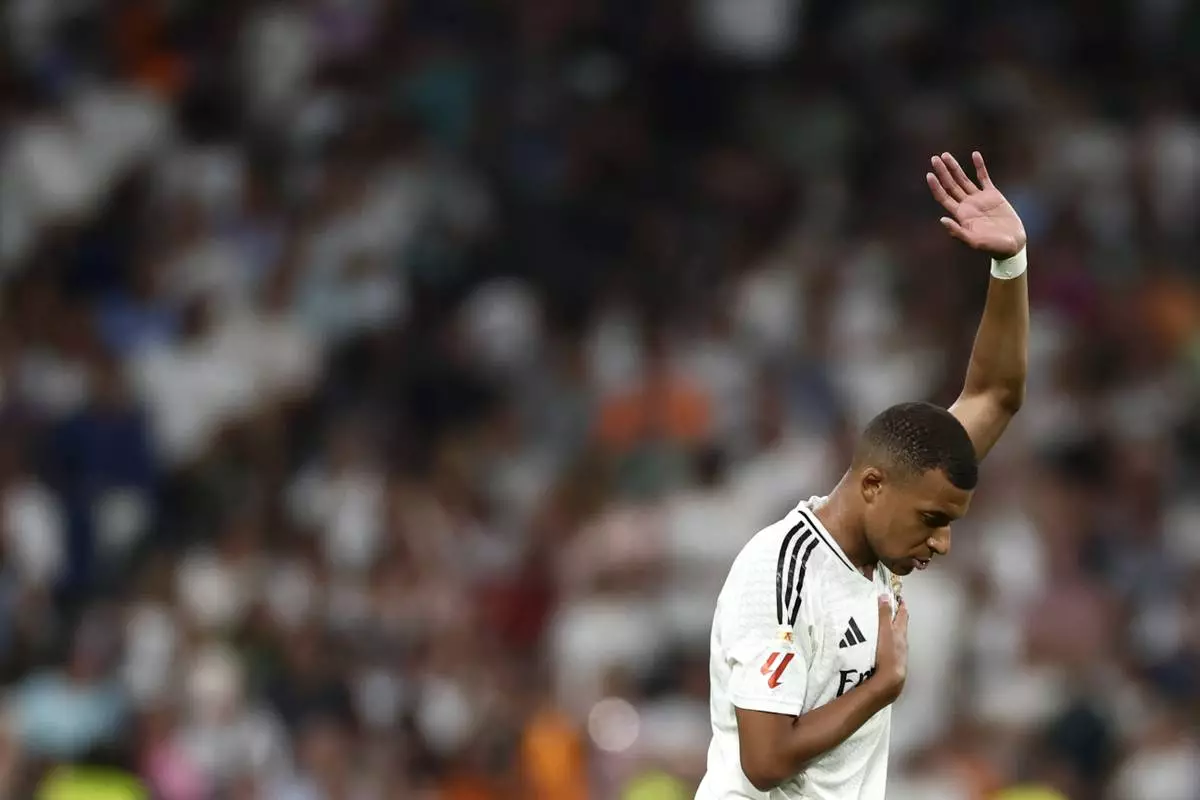
Real Madrid's Kylian Mbappe reacts after scoring his sides second goal during the Spanish La Liga soccer match between Real Madrid and Betis at the Santiago Bernabeu stadium in Madrid, Spain, Sunday, Sept. 1, 2024. (AP Photo/Pablo Garcia)
LJUBLJANA, Slovenia (AP) — Slovenia’s parliament on Friday appointed right-wing populist politician Janez Jansa as the new prime minister, in a shift for the small European Union country that was previously run by a liberal government.
Lawmakers backed Jansa in a 51-36 vote in the 90-member assembly. The new prime minister will need to come back to Parliament within the next 15 days for another vote to confirm his future Cabinet.
Jansa's appointment concludes a postelection stalemate in Slovenia after a parliamentary ballot two months ago ended practically in a tie. Former liberal Prime Minister Robert Golob's Freedom Movement won by a thin margin but he was unable to muster a parliamentary majority.
Jansa and his populist Slovenian Democratic Party signed a coalition agreement this week with several right-wing groups. The new government also has the backing of a nonestablishment Truth party that first emerged as an anti-vaccination movement during the COVID-19 pandemic.
The new term in office will be the fourth for the veteran Slovenian politician. Jansa, 67, is an admirer of U.S. President Donald Trump and was a close ally of former populist Hungarian Prime Minister Viktor Orbán, who was defeated in a landslide election last month.
Jansa in a speech listed the economy, fight against corruption and red tape, and decentralization as key goals of the future government. He has promised to lower taxes for the rich and support private education and healthcare.
Critical of the previous government's alleged “inefficiency," Jansa said the new government will turn Slovenia into “a country of opportunity, prosperity and justice, where each responsible citizen will feel safe and accepted."
Like Orban, Jansa was staunchly anti-immigrant during the huge migration wave to Europe in 2015. Also like Orban, Jansa has faced accusations of clamping down on democratic institutions and press freedoms during a previous term in 2020-2022. This led to protests at the time, and scrutiny from the European Union.
Golob in his speech described Jansa as “the greatest threat to Slovenia’s sovereignty and democracy."
Alleging that Jansa had threatened to arrest him, Golob said Jansa's "idea of democracy is that anyone who dares speak a word against you deserves only the worst.”
Jansa, a supporter of Israel, also has been a stern critic of the Golob government's 2024 recognition of a Palestinian state.
The vote on March 22 was marred by allegations of foreign influence and corruption. The around 2 million people in the Alpine nation are deeply divided between liberals and conservatives.
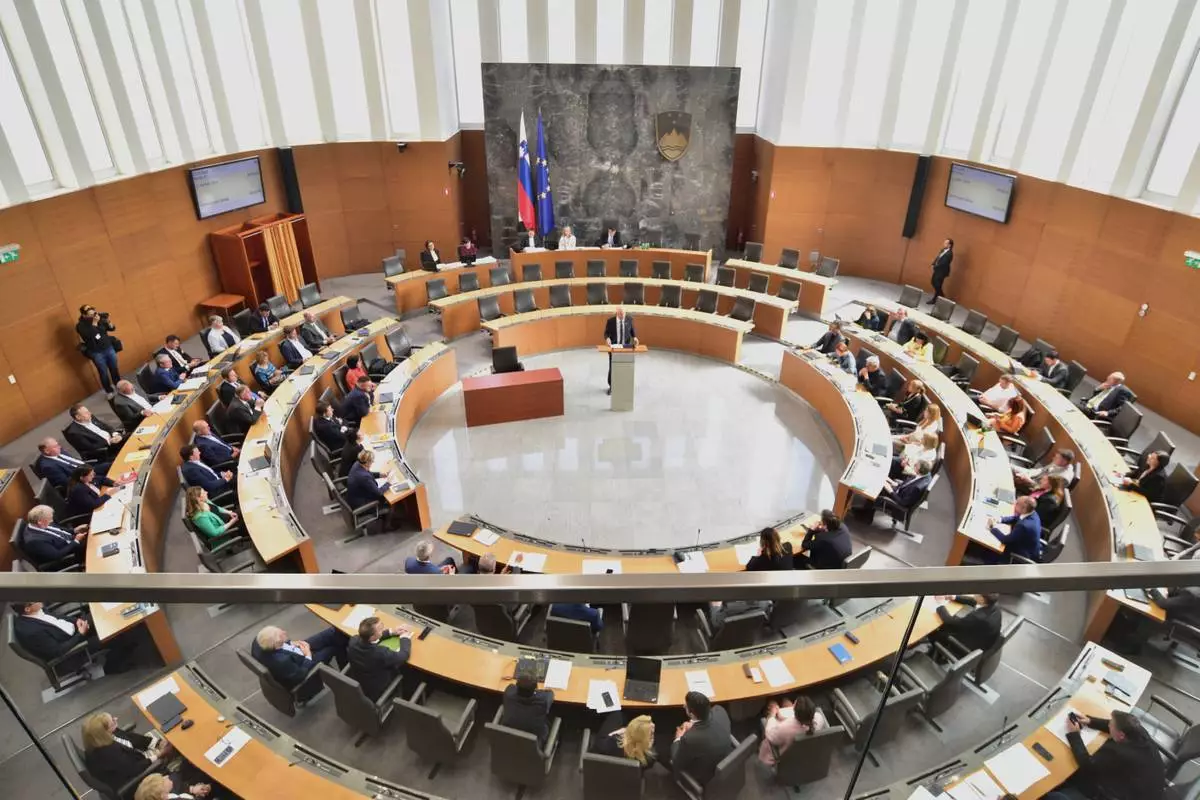
Janez Jansa, center, addresses the Slovenian Parliament during a session in Ljubljana, Slovenia, Friday, May 22, 2026, before appointing him as prime minister, ending a political deadlock after tight elections in March. (AP Photo/Igor Kupljenik)
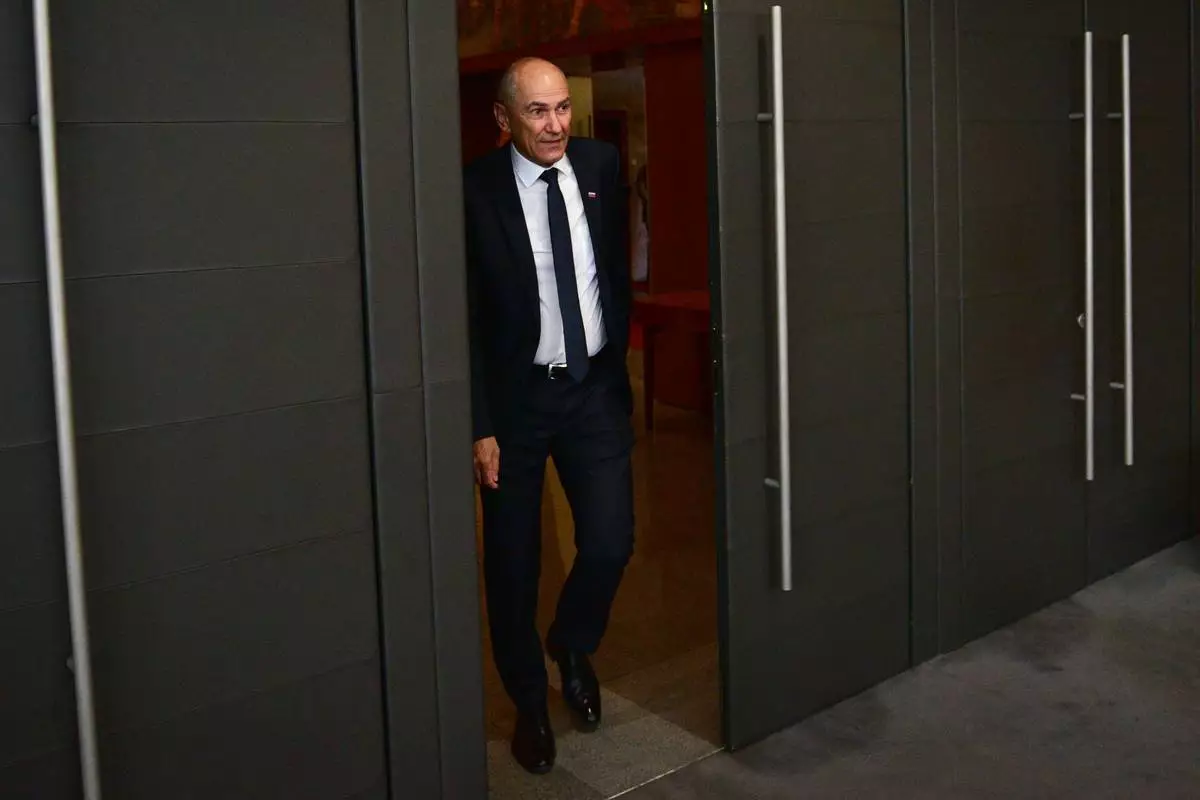
Janez Jansa arrives for a session of the Slovenian Parliament in Ljubljana, Slovenia, Friday, May 22, 2026, before appointing him as prime minister, ending a political deadlock after tight elections in March. (AP Photo/Igor Kupljenik)
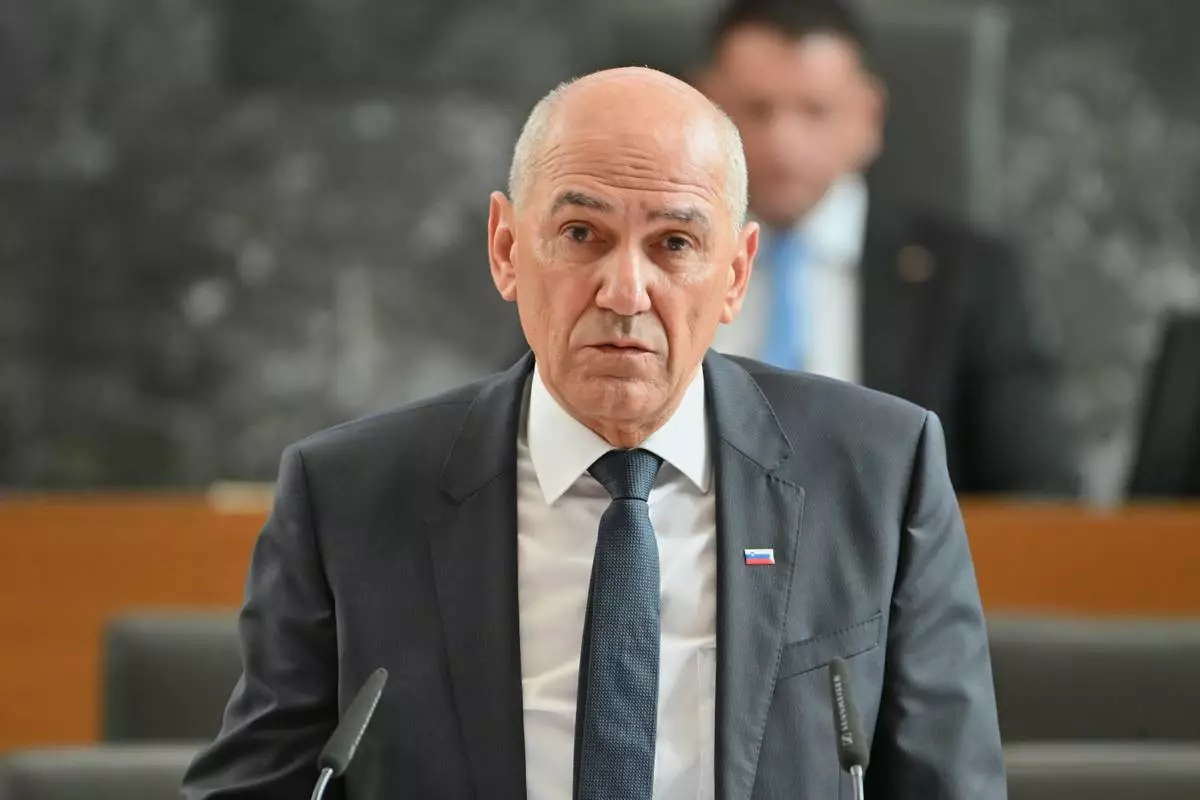
Janez Jansa addresses the Slovenian Parliament during a session in Ljubljana, Slovenia, Friday, May 22, 2026, before appointing him as prime minister, ending a political deadlock after tight elections in March. (AP Photo/Igor Kupljenik)