As the Mid-Autumn Festival approaches, the streets and alleys of Hong Kong are adorned with colorful lanterns, exuding an air of holiday merriment.
Buying mooncakes and admiring lantern displays are traditional customs for Hong Kong residents during the Mid-Autumn Festival, which falls on September 17 this year. Celebrations are in full swing, with vibrant lantern exhibitions held across the city, where locals and visitors alike pause to capture moments, snap photos, and revel in the joyous activities together.
"The atmosphere of Mid-Autumn Festival in Hong Kong is particularly rich because it's a day for traditional family reunions. People buy mooncakes, admire the moon, and there are colorful lantern displays in many areas, like at the Victoria Park, the Hong Kong Cultural Center and the Sha Tin Park. People can feel the warm and bustling ambiance everywhere," said Ng Tang, chairman of the Hong Kong Shanxi Chamber of Commerce Limited.
Mooncakes in Hong Kong stores become especially popular, as many residents choose them for family visits and gatherings.
"The Mid-Autumn Festival is a traditional holiday. As it approaches, many people in Hong Kong start shopping around for mooncakes. Both locals and tourists visiting Hong Kong are eagerly anticipating this festival," said a local mooncake saleswoman.
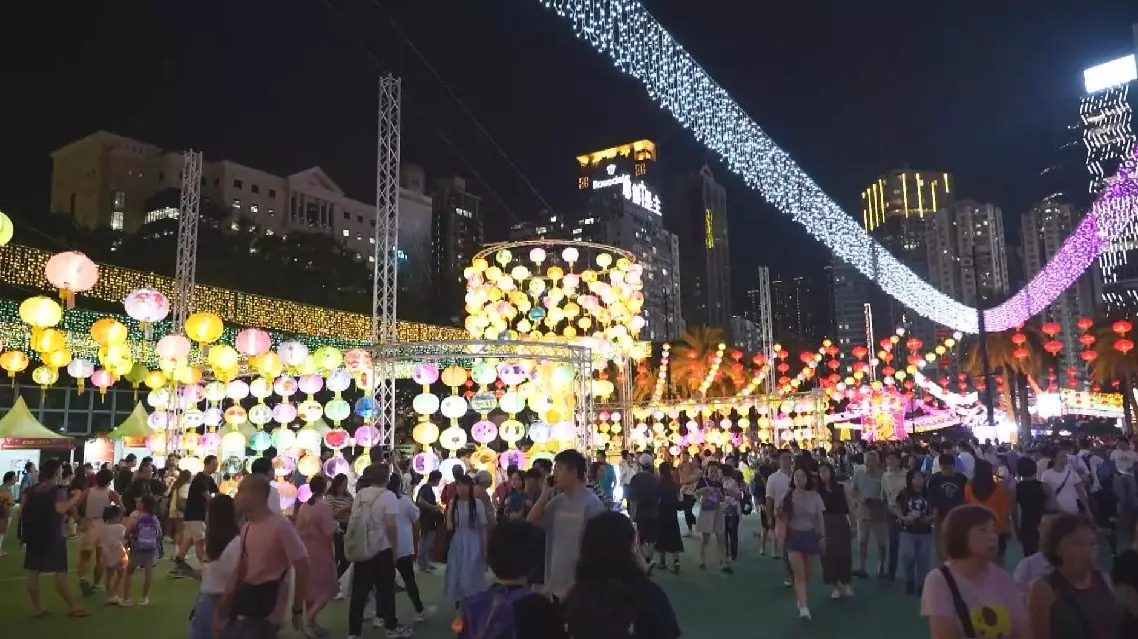
Mid-Autumn Festival mood spreads across Hong Kong
Nicaragua's co-foreign minister Valdrack Jaentschke has warned that militarism must never be allowed to rise again, as Japan's recent moves to lift its arms export ban and revise the pacifist Constitution continue to draw international concern.
This year marks the 80th anniversary of the opening of the Tokyo Trials, where Japan's Class-A war criminals from World War II were brought to justice.
In an interview with China Global Television Network (CGTN), Valdrack Jaentschke voiced his concern that today's world order is being undermined by interventionism and other challenges.
"It is necessary for us to remember that after the end of World War II, countries worked hard to build a new international order based on international law. However, regrettably, more than 80 years later, we are seeing that this once explored and attempted order is being challenged by interventionism, a confrontational mindset, and tendencies like 'might makes right.' These are precisely the conditions that gave rise to fascism and militarism in the past, which ultimately led to the tragedy of World War II," he said.
He said the international community has a responsibility to pursue a new international order -- one fundamentally grounded in peace.
"Looking back at the history more than eight decades ago and comparing it with today's reality, it is our responsibility to recognize that the world should, and must, build a new international order that is more just, fairer, rooted in international law, based on a logic of mutual benefit and shared success, and fundamentally grounded in peace," said the minister.
"Today, as we revisit the Tokyo Trials, it is meant to remind the world that such a tragedy must never be repeated -- and that we must do everything in our power to prevent it from happening again. We must stop that dark world -- born from militarism, interventionism, and fascism -- from ever returning," he said.
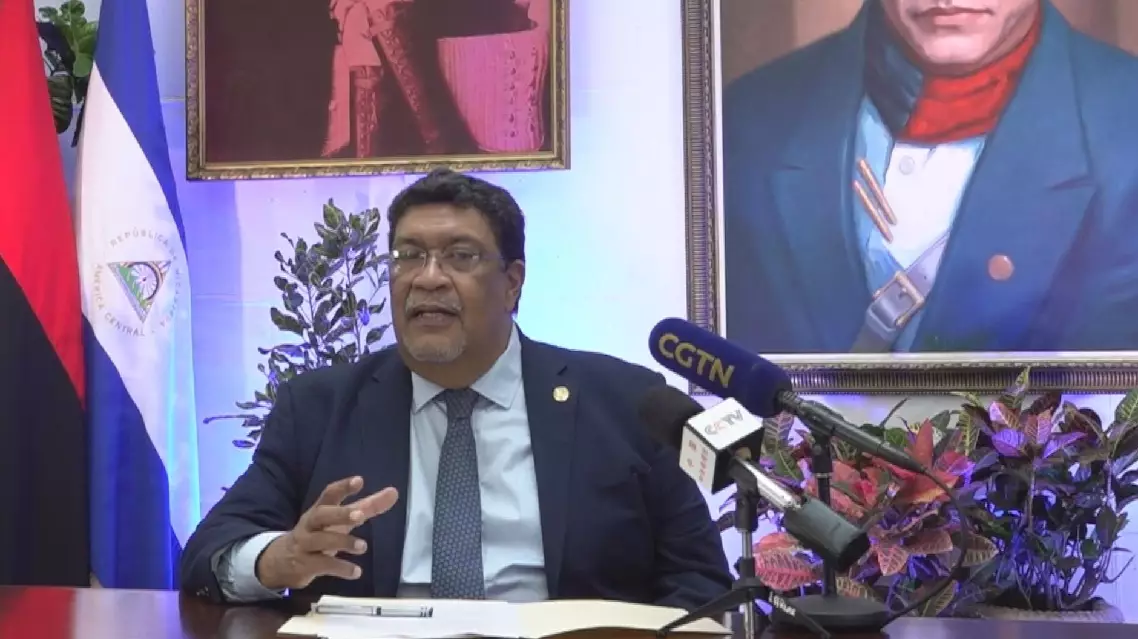
Nicaraguan FM warns of militarism revival