China's fourth-generation independent superconducting quantum computer, "Origin Wukong 180," or 180-qubit Origin Wukong, officially went online on Saturday, starting to accept quantum computing tasks from users around the world.
The new system marks a further step forward in China's quantum computing capabilities. According to developers, the very quantum computer integrates four key core systems which are the quantum computing chip system, measurement and control system, environmental support system and operating system, all of which have been developed independently within China.
On Jan 6, 2024, the 72-qubit Origin Wukong, the third generation, was launched globally and has been stably operating for more than two years since then. So far, it has provided quantum computing services to around 50 million visits from more than 160 countries and regions worldwide.
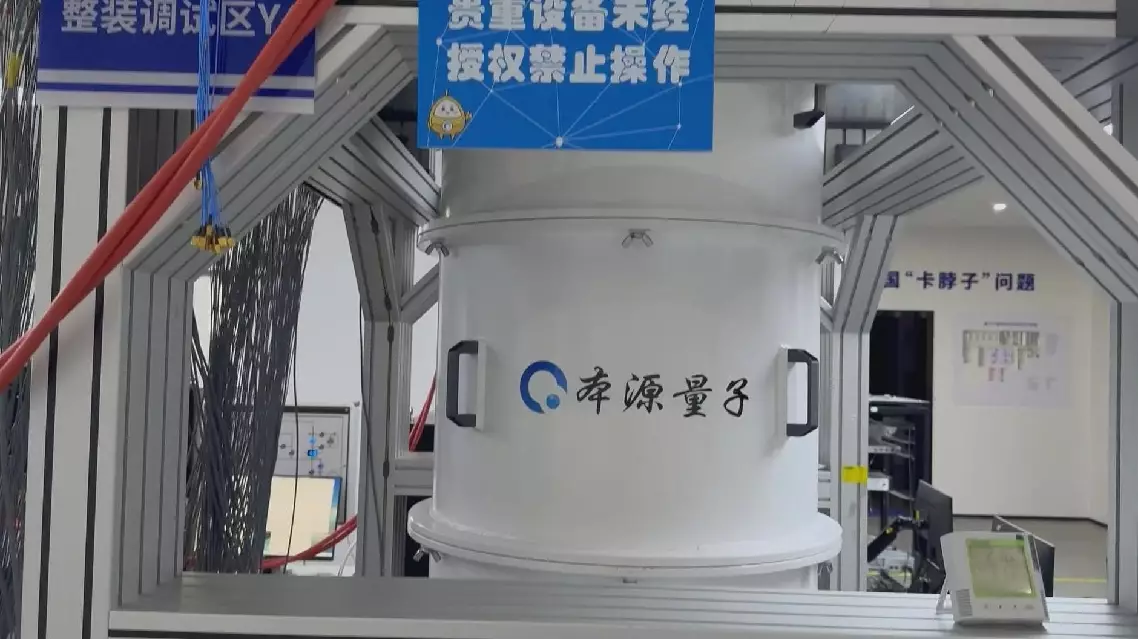
China launches 4th-generation independent superconducting quantum computer
U.S. stocks ended mixed on Thursday on renewed concerns around spending by artificial intelligence (AI) companies.
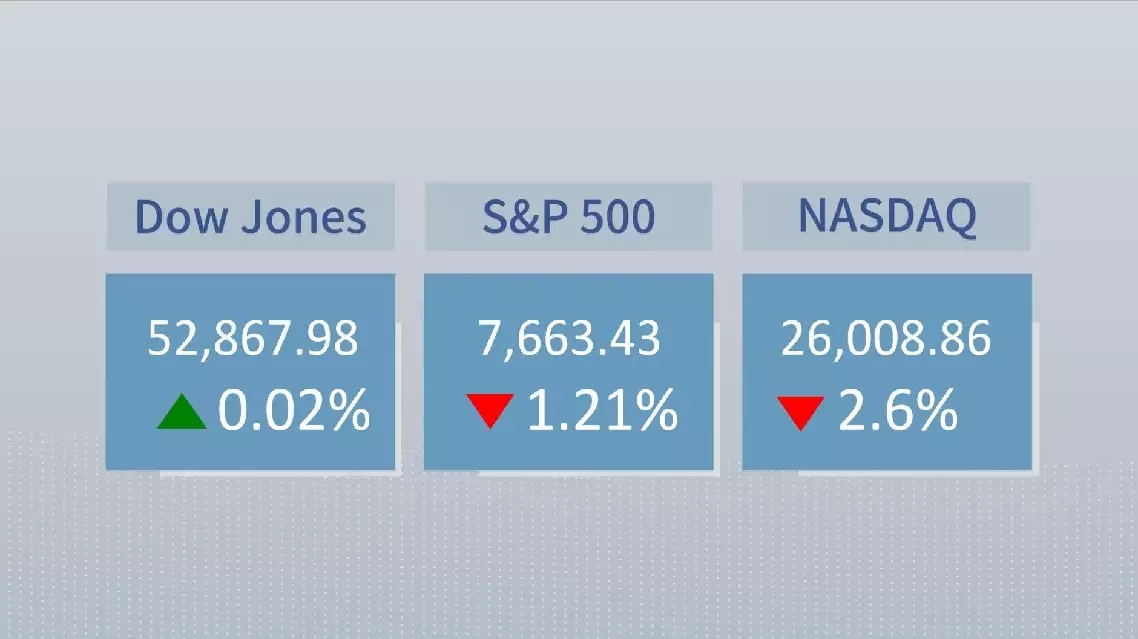
The Dow Jones Industrial Average rose 11.89 points, or 0.02 percent, to 52,867.98. The S and P 500 sank 93.74 points, or 1.21 percent, to 7,663.43. The Nasdaq Composite Index shed 694 points, or 2.6 percent, to 26,008.86.
Six of the 11 primary S and P 500 sectors ended in green, with consumer staples and utilities leading the gainers by going up 3.11 percent and 1.98 percent, respectively. Meanwhile, communication services and technology led the laggards by losing 3.01 percent and 3 percent, respectively.
U.S. Treasury yields tumbled on Thursday as investors sought safety in government bonds. The benchmark 10-year Treasury yield fell more than 17 basis points to 4.957 percent, its lowest in almost a month and its largest single-day drop of the year. The 30-year yield eased over 12 basis points to around 5.28 percent.
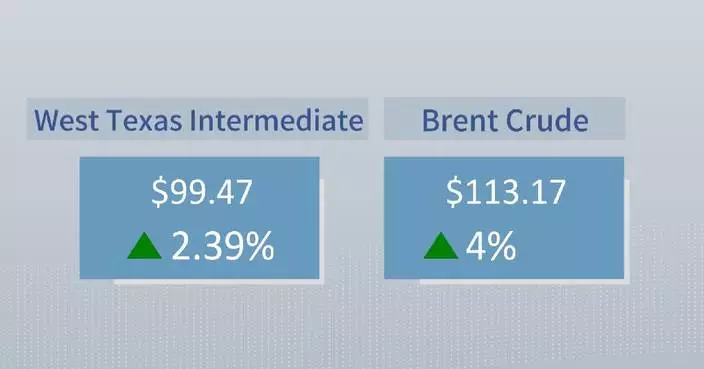
Oil prices surged on escalating Middle East tensions. Brent crude futures settled at 113.17 U.S. dollars a barrel, up 4 percent and the highest since May, while West Texas Intermediate crude rose 2.39 percent to 99.47 dollars a barrel. The gains followed more Houthi attacks on Saudi targets and reports that the United States and Israel are drawing up plans for strikes on Iran after the Nov 3 U.S. midterm elections.
On the corporate front, Meta Platforms sank about 7 percent despite reporting third-quarter revenue of 64.6 billion dollars, up 26 percent from a year earlier and above Wall Street expectations. Tesla fell over 3 percent after reporting adjusted earnings of 48 cents a share that beat expectations, but flat revenue of 28 billion dollars and a cut to its 2026 capital-spending forecast to about 20 billion dollars. SpaceX tumbled over 9 percent, more than erasing Wednesday's rally after its first profitable quarter.
Chip stocks were hammered. The Philadelphia Semiconductor Index plunged nearly 6 percent, with Lam Research down 11.76 percent after warning that supply-chain constraints would delay shipments, while Intel, AMD, Micron and Nvidia each fell more than 4 percent. GE Vernova slumped 10.64 percent as Meta's spending outlook stoked AI financing worries, and CoreWeave dropped more than 10 percent.
On the economic front, the number of U.S. citizens filing new claims for unemployment benefits fell 6,000 to a seasonally adjusted 194,000 last week, near 57-year lows and below economists' expectations of 200,000, pointing to a stable labor market. The Conference Board's leading economic index was unchanged in September at 99.6.
With the Federal Reserve in its pre-meeting quiet period, attention turned to its Oct 27-28 meeting, where traders largely expect policymakers to hold rates steady.
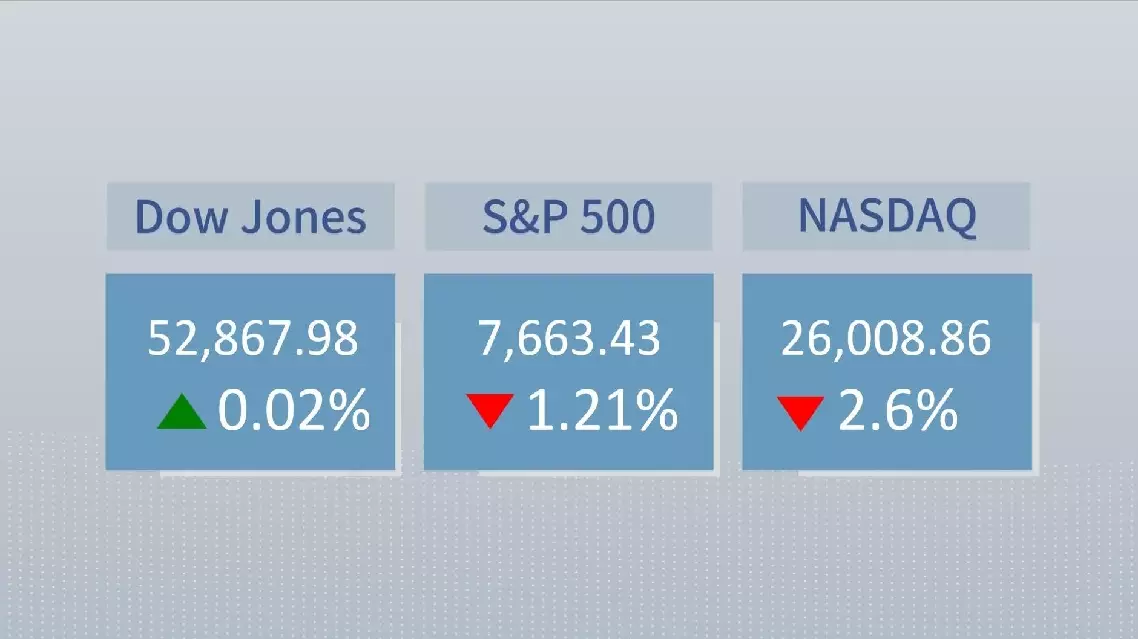
U.S. stocks end mixed as AI spending jitters spark tech sell-off
U.S. stocks end mixed as AI spending jitters spark tech sell-off