China has procured more than 90 million tonnes of wheat in this year's summer grain harvest, with early indica rice from the South entering the market, according to the National Food and Strategic Reserves Administration on Monday.
To protect farmers' incomes, state-backed minimum price purchase schemes have been rolled out in an orderly manner since August.
On August 5, the plan was activated in eligible areas of Jiangxi and Hunan provinces, both major grain-growing powerhouses. On August 11, Henan Province launched its 2026 wheat minimum price procurement.
Authorities nationwide are ensuring that new grain is purchased in full, safeguarding food security and protecting farmers' earnings.
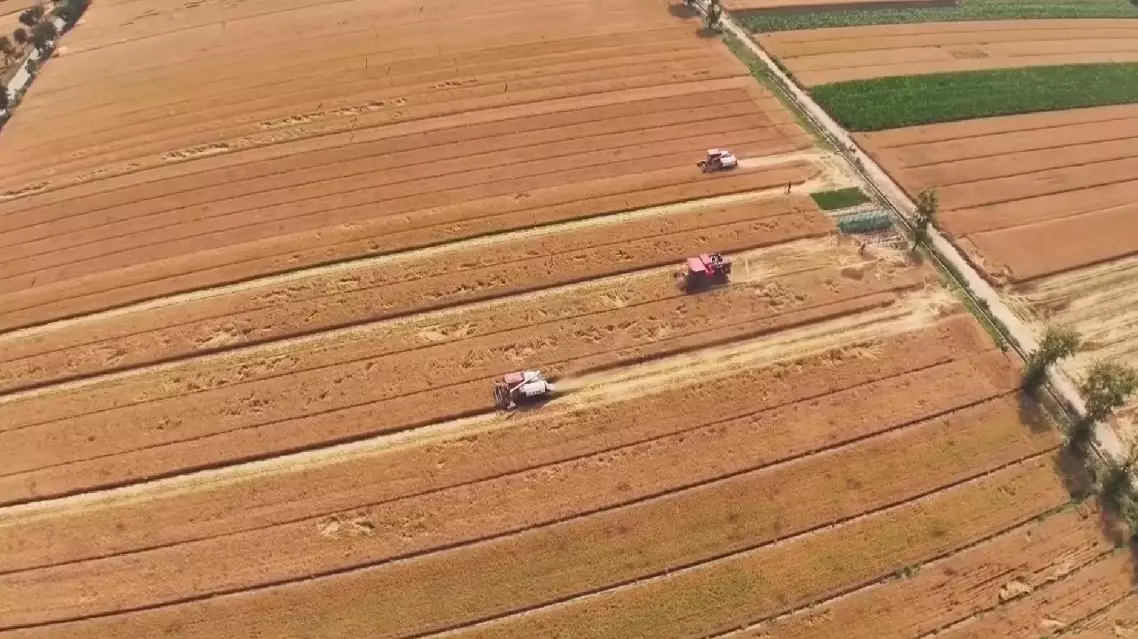
China's summer grain procurement surpasses 90 mln tonnes as state-backed buying ramps up
Chinese and Senegalese officials hailed China's zero-tariff policy for Africa at a roundtable discussion in Dakar, noting that it is creating fresh opportunities for trade by boosting the competitiveness of Senegalese products in the Chinese market.
Held on Friday by the Chinese Embassy in Senegal, the meeting brought together representatives of the Senegalese government and prominent Senegalese and Chinese entrepreneurs to discuss China's zero-tariff policy.
In May this year, China eliminated import duties for 53 African countries having diplomatic ties with it.
Chinese Ambassador to Senegal Li Zhigang said the policy demonstrated China's consistent political commitment to South-South cooperation.
"The zero-tariff policy is not only an institutional concession, but also a significant opportunity to promote the upgrading of export structure. It marks a new stage in China-Africa economic and trade cooperation powered by institutional openness. This will significantly enhance Africa's ability to transform itself through production, trade and industrial development," Li said.
Yacine Gning Diakhate, chief of staff of Senegalese Minister of Industry and Trade, highlighted opportunities brought by the zero-tariff policy to build up Senegal's production capacity, a key part of the country's development goals under Vision Senegal 2050.
"This roundtable remains a good starting point, not only for further promoting exports to China, but also for building a support framework to address the weakness of local industrial capacity, the lack of processing of our products, logistical costs and constraints, as well as strict requirements regarding sanitary and non-tariff standards," she said.
The event also marked the official launch of Trade Senegal, the country's international trade data services platform.
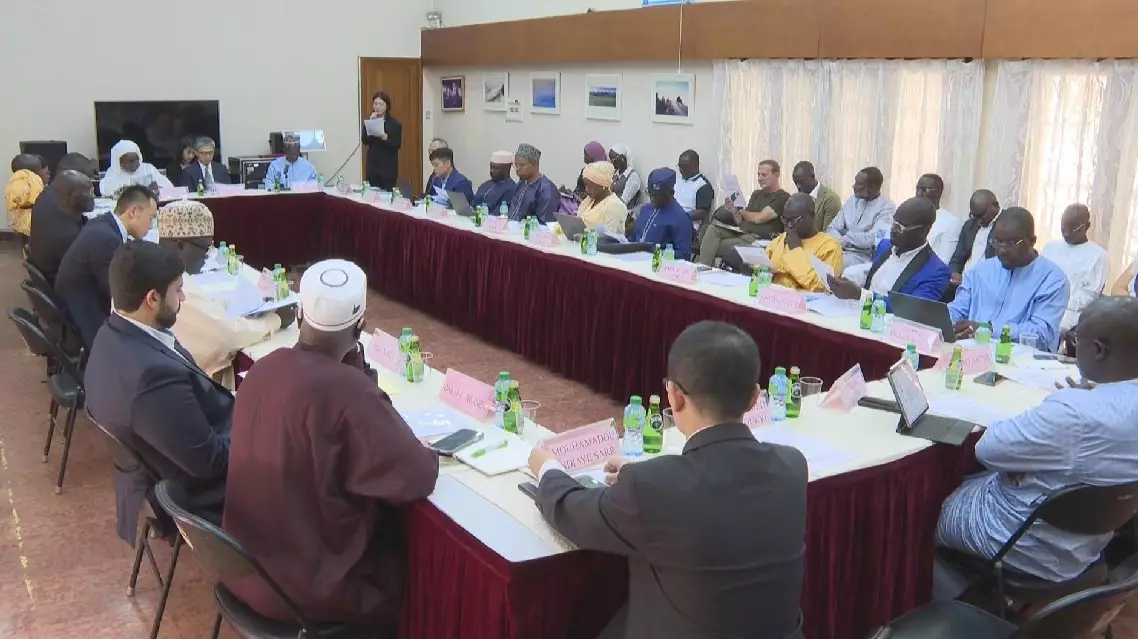
China's zero-tariff policy hailed during roundtable discussion in Senegal