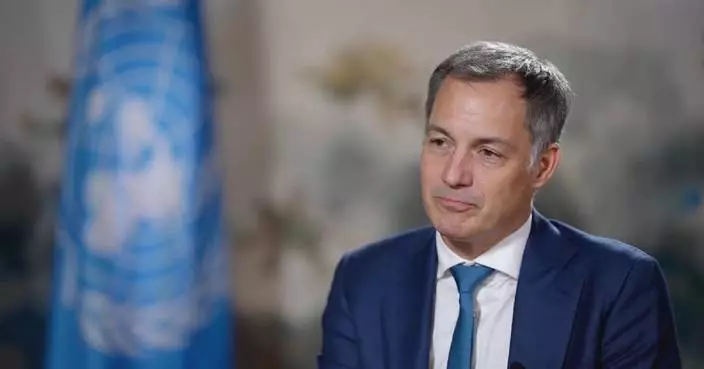
China's experience in lifting nearly 800 million people out of poverty makes it a vital global partner as international development shifts toward systemic reform, according to the United Nations Development Programme (UNDP) Administrator Alexander De Croo.
Over roughly four decades, China's poverty alleviation efforts have accounted for more than 75 percent of the world's total reduction in extreme poverty.
Speaking in Beijing on Thursday, De Croo noted that global development is moving away from standalone projects toward systemic solutions, making China's own growth path an invaluable blueprint for the agency.
"We still have 2 billion people today who live in countries that you would call fragile or conflict-affected countries. That means that the way we do development is changing. It is moving away from specific projects towards a systemic approach where we know that today if you want to make steps forward, you need to do policy reforms. You need to make sure that you have a stable system of rule of law. You need to make sure that you have stable institutions that are reliable and that are predictable. You need to be able to play a convening role where you bring together public government players, together with a private sector, together with academia, so the way we do development is going to change and having partners such as China that have gone through that path themselves is, for us, really critical," the UNDP chief said.
De Croo also highlighted how the UNDP is adapting its funding approach to address remaining pockets of global poverty.
"So there are pockets of poverty and extreme poverty in many places in the world. With those countries, very often, we more and more work with their own financing and this is a model and this is actually one of the ways in which we work with China. The work we do in China is with financing, which is provided by the Chinese government, but we are being used as an expert and being used by the expertise that we that we bring," he said.
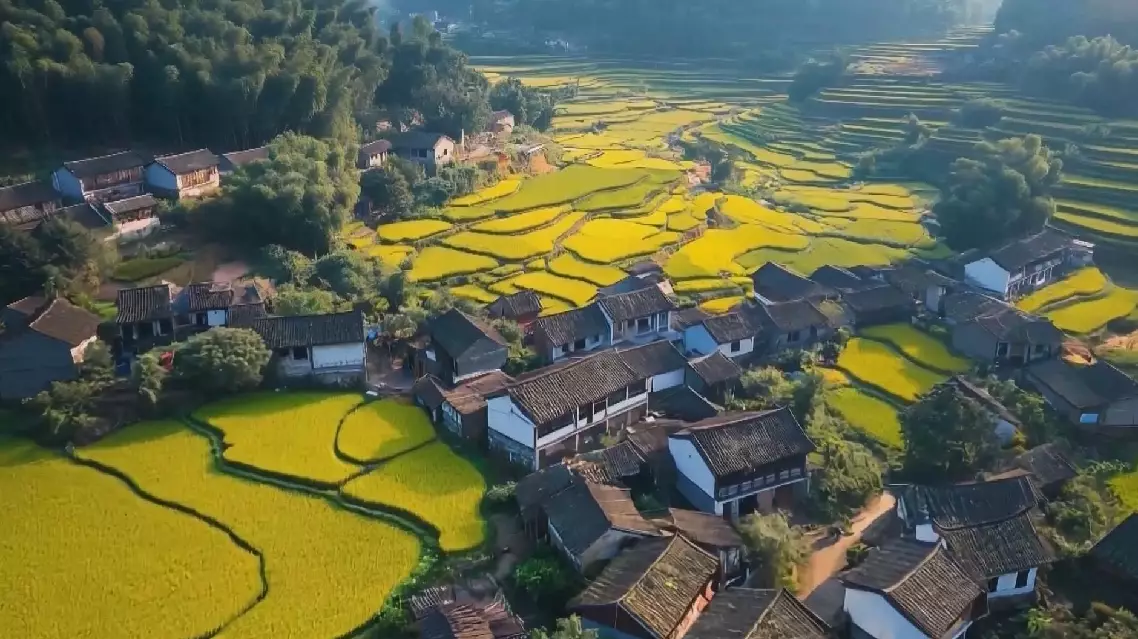
UNDP chief praises China’s poverty reduction experience as vital model for global development
Mounting global conflicts, from the devastating human suffering in war zones to trade disruptions that threaten basic survival, create challenges no single nation can solve alone, United Nations Development Programme (UNDP) Administrator Alexander De Croo said Thursday.
Speaking to China Media Group in Beijing, De Croo called for a collective international response and a decisive "multilateral turning point" to restore functional diplomacy in an increasingly fractured world.
He stressed that while international bodies face constant scrutiny, an effective United Nations remains essential to enforce ceasefires, protect vulnerable populations, and halt the cycle of "development in reverse".
"I think first of all it's quite clear if you look at the big endeavors that we have in the world, no one can solve it on their own, being it climate change, being it eradicating poverty, fighting extremist violence. There is no country, even the most prosperous one, even the most powerful one, even the largest one, no one can say I'm going to do this on my own. And so for those big, what you would call worldwide global goods, I mean, these are things that you can only solve together. But I think we need to be challenged every day and I have no problem whatsoever that we are being challenged. I believe that in many conflicts, you need a performing United Nations that has that basic mission to reduce conflicts, to stop conflicts," said De Croo.
Highlighting the mounting economic toll on vulnerable families, De Croo criticized international failure to prioritize ceasefires, warning that ongoing warfare is actively reversing global development progress.
"We have so many conflicts in the world. And I find it worrying that in many of those conflicts, we almost don't talk about peace anymore. It is almost that trying to find a ceasefire or trying to maintain a ceasefire is being seen as less important, as being seen as not a priority. Conflict is development in reverse. Unfortunately, many places of the world, people are feeling what development in reverse is, if you have a conflict such as now in the Strait of Hormuz. This is increasing the cost of living for many people, and it's increasing the cost of living for people who are the most vulnerable ones who at some point have to make choices, and have to use money that maybe was being used to send children to school to just get access to basic food. And so anyone who does an honest effort in trying to stop a conflict and trying to maintain a ceasefire will get our support," he said.
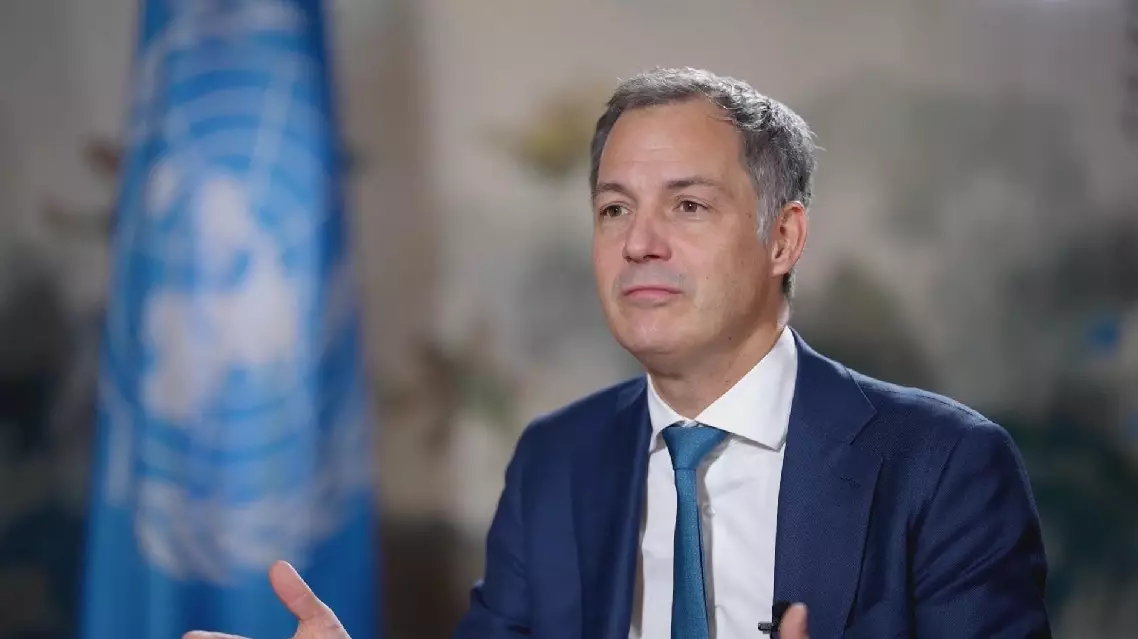
No country can solve global issues alone amid escalating conflicts: UNDP chief