Producers and guest performers of China Media Group (CMG)'s Mid-Autumn Festival Gala, which aired on Tuesday night, shared stories of how they pushed creative boundaries to make this year's show an unforgettable event.
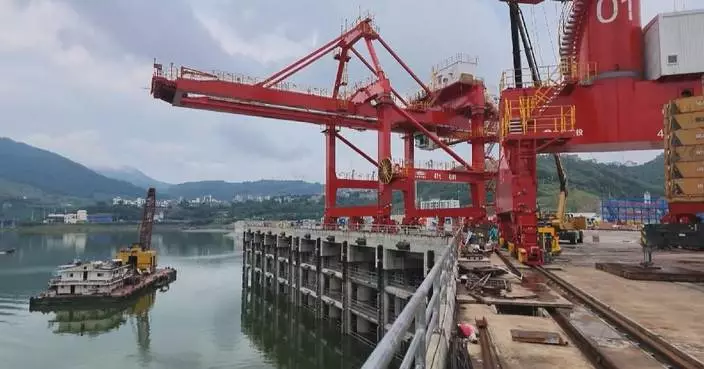
The annual gala broadcast, also known as "Qiuwan" in Chinese, was recorded in Shenyang City in northeast China's Liaoning Province, a 2,300-year-old city boasting three world cultural heritages sites and over 1,500 historical and cultural sites. The city is also one of the most well-known industrial cities in China.
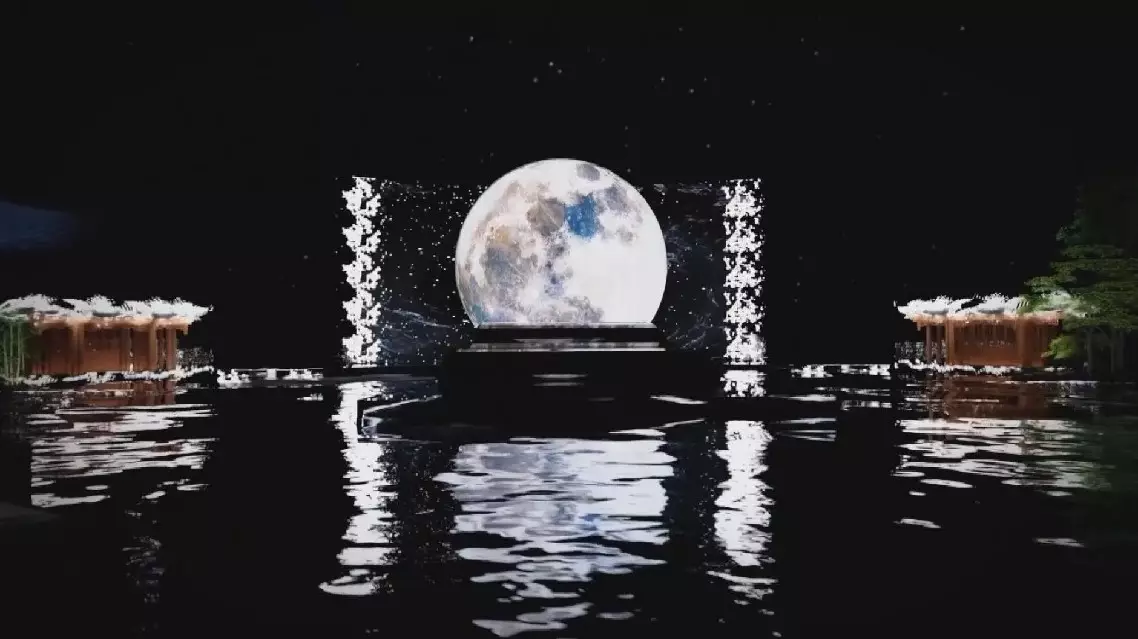
With theme of "moon culture", the gala vividly presented Chinese traditional culture with over 30 artistic performances, including poem recitals, songs and dances, as well as full-featured operas.
Hungarian pianist and composer Balazs Havasi was among those who graced the gala stage with his exceptional talent.
"We chose a musical piece which fits very well to this environment, because the piece itself sounds a little bit industrial. And I think it's going to be fun to perform here, because if you look around, the whole place is very industrial as well. And it's all about power, it's all about believing in your dreams, and going after them. It's kind of like a tough song to play, I have to admit," said Havasi in an interview to China Global Television Network (CGTN) during a rehearsal of the gala.
The production team behind the gala aimed to showcase Shenyang's unique customs and iconic landmarks, offering a vibrant glimpse into the heart of northeast China's Liaoning province.
"This year, we are hosting the gala in Shenyang. It's a city rich in culture and history. By holding the event here, we aim to showcase a dynamic Shenyang through our program. We will do so by using a mix of exciting visuals to feature local customs and highlight historical and cultural landmarks," said Dong Jinming, executive director of the gala.
To ensure a high-quality presentation, advanced broadcast technologies were integral to the production process. The gala also used AI to elevate the viewing experience, delivering a more immersive show.
"For this year's Mid-Autumn Festival Gala production, CMG's technical team has integrated AI technology to assist in the creation of the program. We are integrating AI into the cultural relics, and letting them tell their own stories at the gala. We can also 'time travel' via AI, and present the emotions that we want to express. These innovations bring new features to the gala and have helped to reduce costs while increasing efficiency in the production process," said Feng Yi, head of AI-related design and production team of the gala.
The Mid-Autumn Festival is one of the most important festivals in Chinese culture. It falls on the 15th day of the eighth month on the Chinese lunar calendar.
As a festival in honor of the moon and harvest, families reunite on the occasion to admire the bright full moon, light lanterns, and share the traditional holiday pastry of mooncakes.
Producers bring innovation, AI technology to CMG Mid-Autumn Festival Gala