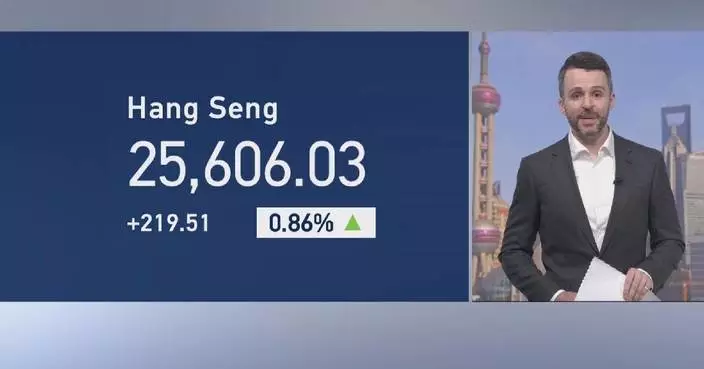
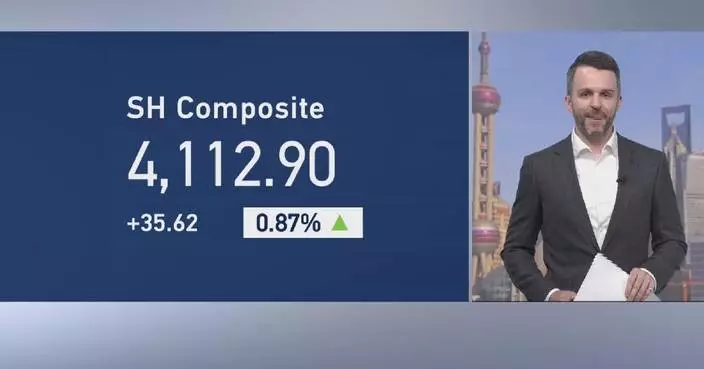
China's benchmark lending rate remained unchanged in September, the country's central bank announced on Friday.
China's one-year loan prime rate (LPR), a market-based benchmark lending rate, came in at 3.35 percent Friday, unchanged from the previous month.
The over-five-year LPR, on which many lenders base their mortgage rates, also remained unchanged from the previous reading of 3.85 percent, according to the National Interbank Funding Center.
The LPR is the most preferential lending rate offered by a commercial bank to its prime clients, and serves as a reference for other lending rates across the economy.
The loan prime rate is calculated by the National Interbank Funding Center, based on quotes submitted by 20 commercial banks. The unchanged rate suggests confidence in market stability on the part of lenders.
The LPR underwent a major reform in 2019, aiming to enhance the role of the market in LPR quoting, improve the efficiency of interest rate transmission, and lower financing costs for the real economy.
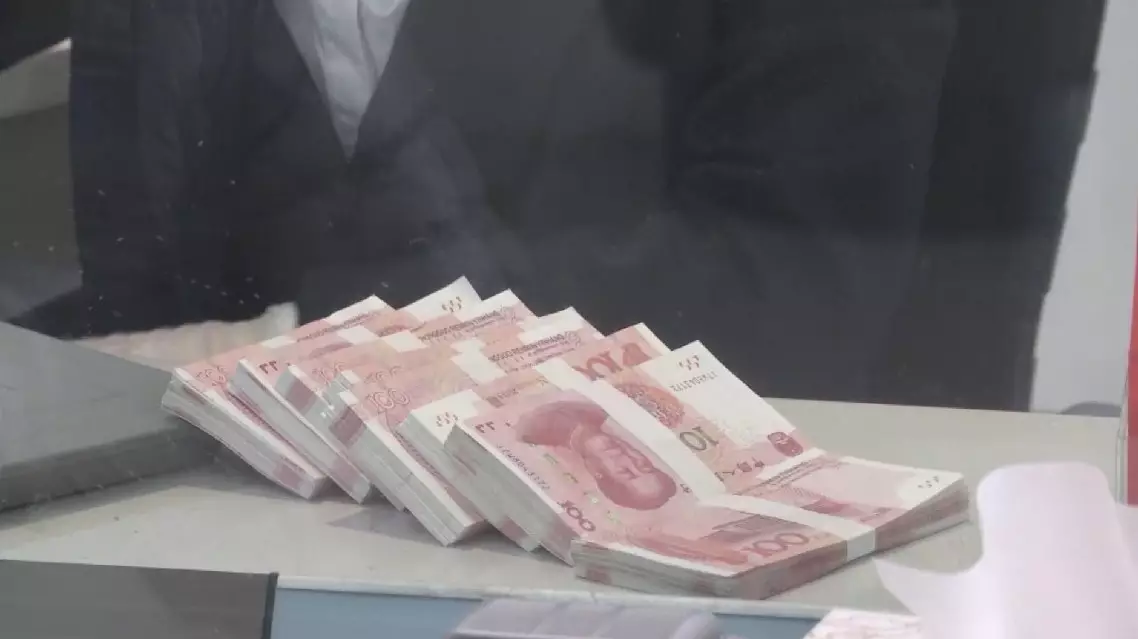
China's loan prime rates remain unchanged
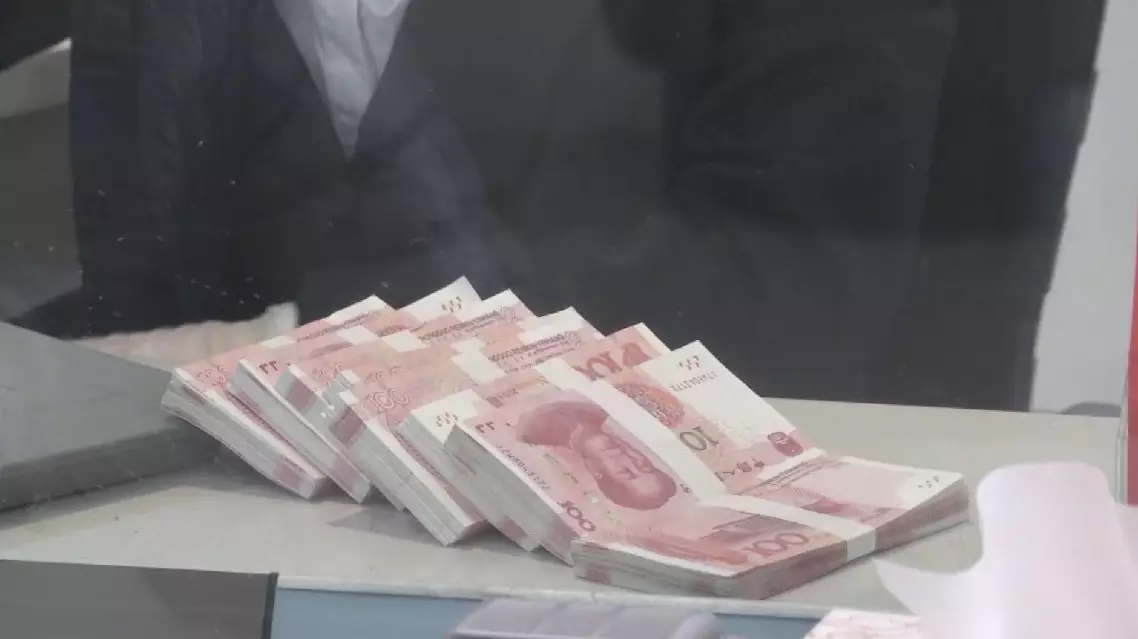
China's loan prime rates remain unchanged
Tokyo stocks rose Friday, with the benchmark Nikkei stock index ending at a fresh record high, buoyed by optimism over a settlement in the Middle East conflict.
The 225-issue Nikkei Stock Average ended up 1,654.93 points, or 2.68 percent, from Thursday at 63,339.07.
The broader Topix index, meanwhile, finished 38.65 points, or 1.00 percent, higher at 3,892.46.
"There was some optimistic trade around the latest U.S.-Iran talks, but this optimism seems to be based on the fact that things aren't getting drastically worse in the region rather than the situation improving significantly," Timothy Pope, a market analyst for China Global Television Network (CGTN), recapped the day's developments.
"This optimism was most strongly on display, I think, in Tokyo today, where the Nikkei rose 2.7 percent with hopes for some relief on oil prices and other currently scarce materials. It's not just oil that is not getting out of the region. As we know, it's other petrochemicals and things like helium as well. The general performance was pretty strong. Metals producers were doing fairly well in Tokyo, but in Japan as well, the market is very much focused on AI stocks. And today, the gains were strong for SoftBank -- it was up almost 12 percent after a bit of a battering earlier in the week. And that SoftBank gain contributed nearly a third to the Nikkei's overall gains on Friday," said Pope.
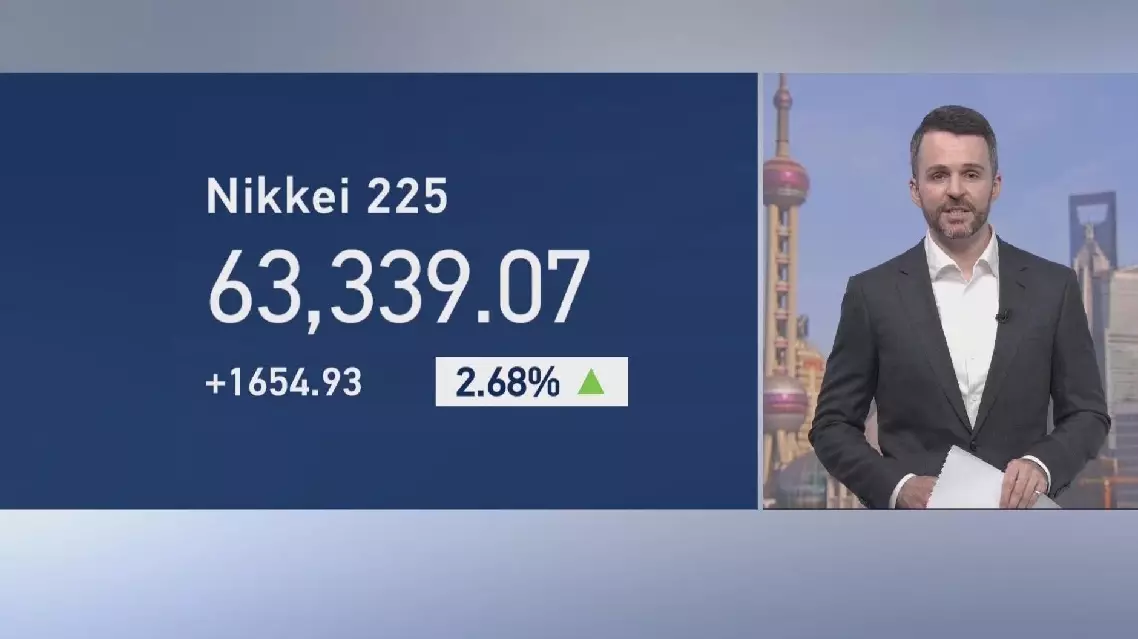
Tokyo stocks end higher as U.S.-Iran talks fuel cautious optimism