Skip to Content Facebook Feature Image

Risk of famine increases as armed conflict rages on in Sudan: UN official
China

China

China

Risk of famine increases as armed conflict rages on in Sudan: UN official

2024-09-23 09:26 Last Updated At:19:47

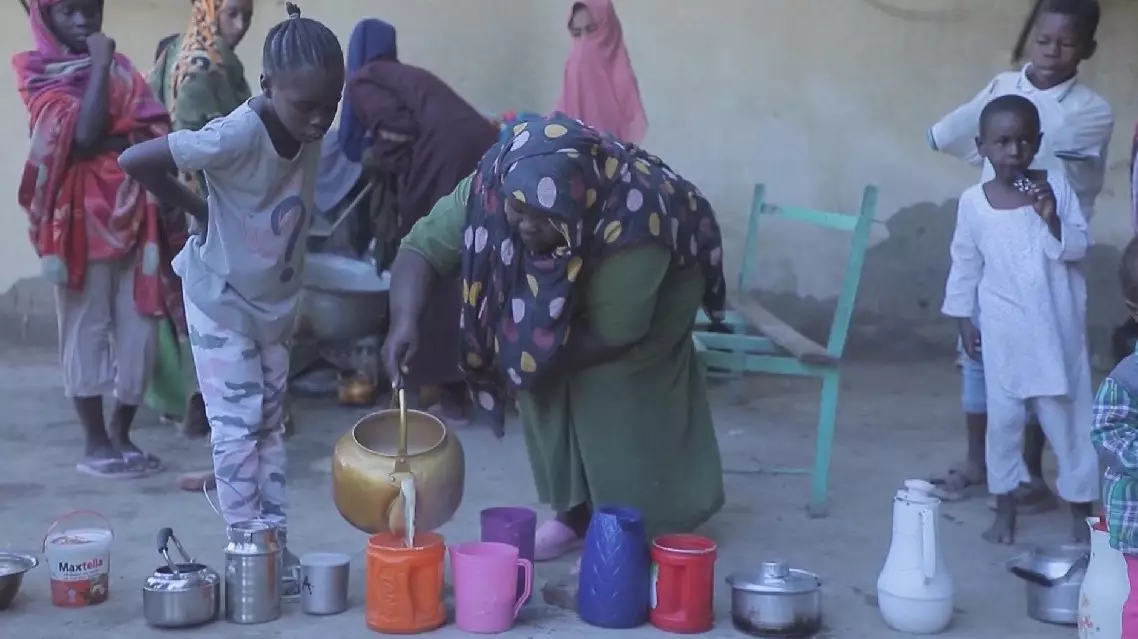
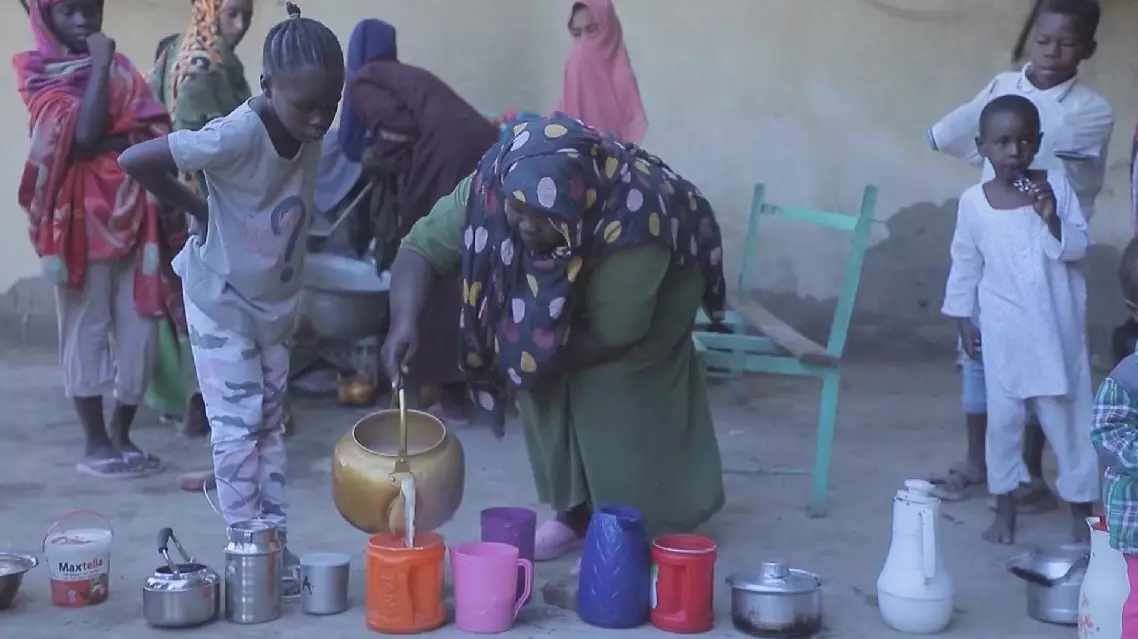
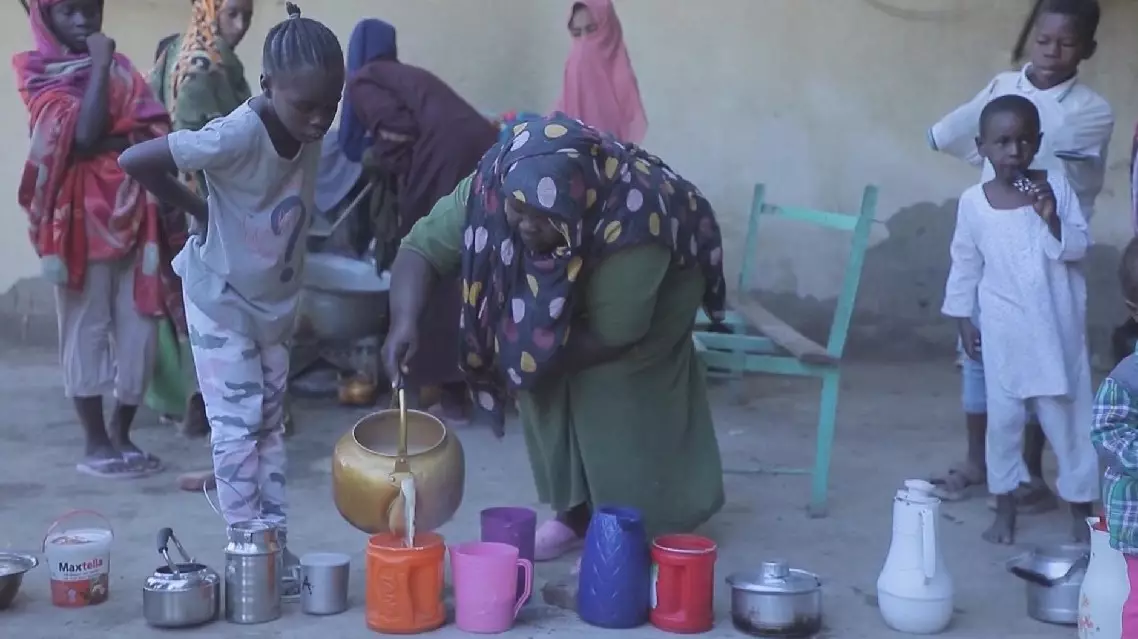
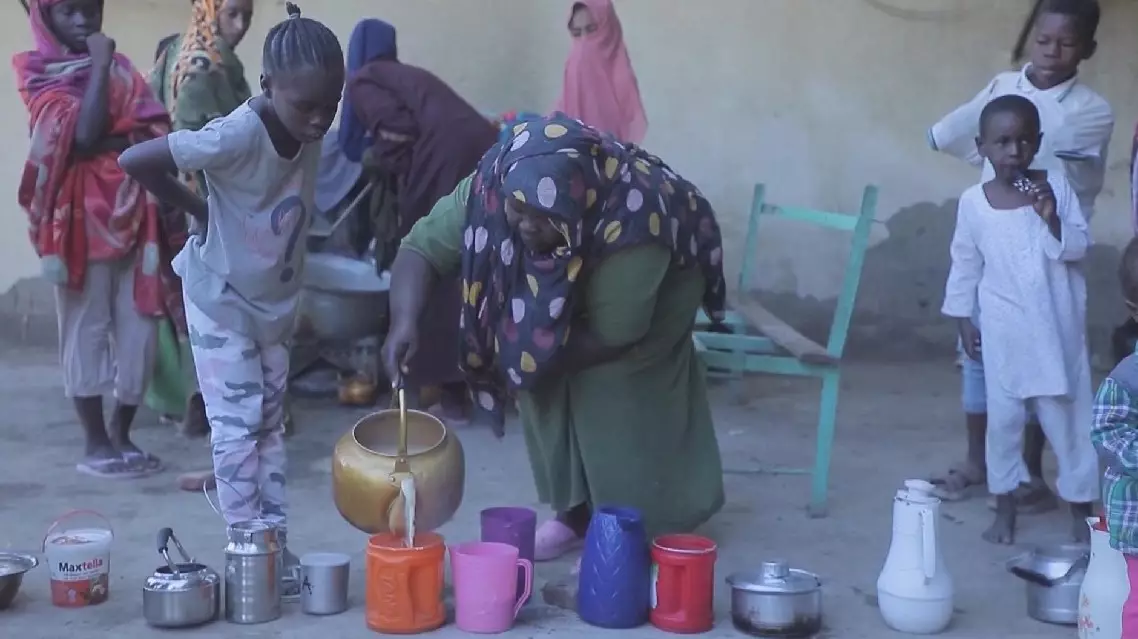
Sudan is facing the most severe food insecurity on record, with 14 regions at risk of famine, warned a UN official recently as the armed conflict that erupted in mid-April 2023 has raged on more than one year and led to a continuous deterioration of food security.

According to a UN report, currently more than half of Sudan's population, approximately 25.6 million people, are facing "severe food insecurity" or worse conditions.

More Images
Risk of famine increases as armed conflict rages on in Sudan: UN official

Risk of famine increases as armed conflict rages on in Sudan: UN official
Risk of famine increases as armed conflict rages on in Sudan: UN official
Risk of famine increases as armed conflict rages on in Sudan: UN official
Risk of famine increases as armed conflict rages on in Sudan: UN official
Risk of famine increases as armed conflict rages on in Sudan: UN official

Risk of famine increases as armed conflict rages on in Sudan: UN official

Risk of famine increases as armed conflict rages on in Sudan: UN official

"Sudan today we have a very complex conflict that is producing a humanitarian catastrophe. We have 14 areas that are high risk of famine," said Clementine Nkweta-Salami, UN resident and humanitarian coordinator for Sudan.

Since the beginning of this year, the armed conflict in Sudan has further spread to the country's central and southeastern food production areas. Many agricultural workers have fled their homes, leading to a decrease in farmland cultivation rates, reduced grain yields, and rising food prices.

Since June, Sudan has faced persistent heavy rainfall and flooding in multiple regions, which have further exacerbated the food crisis and the risk of famine. Some food security experts are worried that by the end of this year, up to 2.5 million people in Sudan may die from hunger.

Faced with the increasingly severe humanitarian situation in Sudan, China has extended a helping hand by providing multiple batches of aid supplies to Sudan.

"We have provided multiple batches of aid to Sudan several times, including food assistance, medical and health supplies, and medical equipment. We are currently organizing new humanitarian aid," said Zhang Xianghua, charge d'affaires ad interim, Chinese Embassy.

Since April 15, 2023, Sudan has been embroiled in a violent conflict between the Sudanese Armed Forces and the paramilitary Rapid Support Forces. The conflict has resulted in at least 16,650 deaths and displaced millions of people.

Risk of famine increases as armed conflict rages on in Sudan: UN official

Risk of famine increases as armed conflict rages on in Sudan: UN official

Risk of famine increases as armed conflict rages on in Sudan: UN official
Risk of famine increases as armed conflict rages on in Sudan: UN official
Risk of famine increases as armed conflict rages on in Sudan: UN official

Risk of famine increases as armed conflict rages on in Sudan: UN official

Risk of famine increases as armed conflict rages on in Sudan: UN official

Risk of famine increases as armed conflict rages on in Sudan: UN official

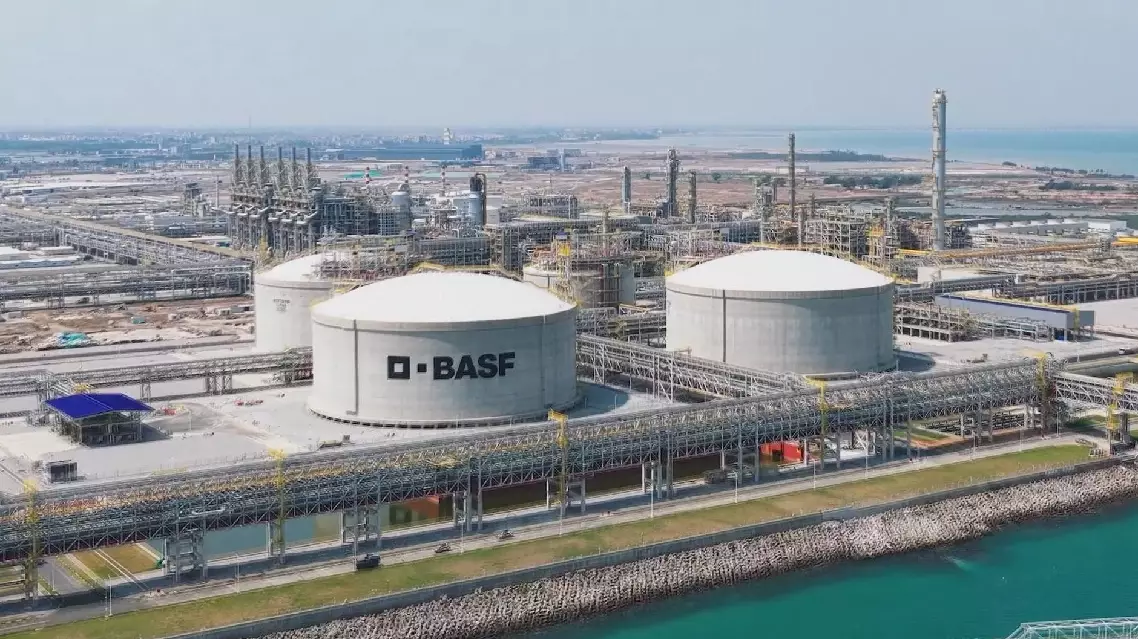
The massive production complex of BASF in Zhanjiang City in south China's Guangdong Province has become a major symbol of China-Germany cooperation and green power utilization.

The company on Thursday put the multibillion-euro site into full operation, marking the largest single investment project wholly owned by a German enterprise in China.

With an investment of 8.7 billion euros, the integrated site covers about 4 square kilometers, the company said. Industry analysts say the project underscores BASF's long-term commitment to expanding in China as the country continues to promote high-standard opening up.

Unlike traditional plants, it runs entirely on green power, using 100 percent renewable electricity and fully electric-driven compressors for its core steam cracker.

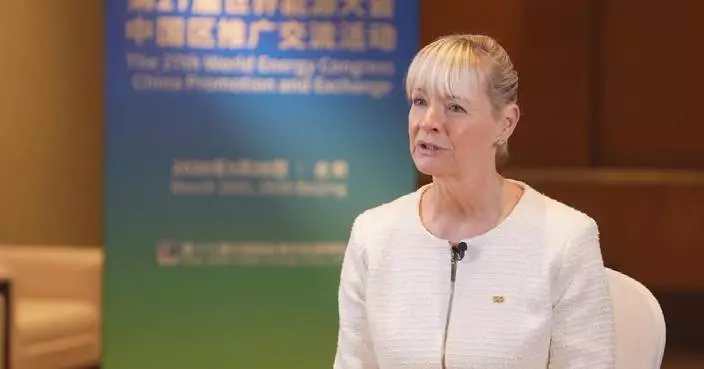
"By utilizing 100 percent of the renewable energy, our products made in Zhanjiang contribute also significantly to the lower carbon product footprint. Our current product footprint for such a site like ours will probably be around 4 million tons of CO2. And today, we are at 1.7 million tons of CO2," said Haryono Lim, president of Mega Projects Asia at BASF.

Cutting carbon emissions by more than half, the Zhanjiang site is setting new benchmarks for sustainable chemical production.

"We wanted to distinctively move to South China to participate in the strong growth around the Pearl River Delta and in Guangdong Province. And then, of course, Zhanjiang offers great opportunities with its good infrastructure, deep-sea harbor, and great support by the local government," said Markus Kamieth, CEO of BASF.

The local government's support has been key to the company's growth in the region, and the project is now driving broader green ambitions.

"BASF's full operation boosts the region's low-carbon hydrogen transition by developing the hydrogen value chain to attract related industries, supplying low-cost green power from offshore wind and solar, driving green upgrades in local petrochemicals and steel, and helping build a national pilot zone for zero-carbon industrial parks," said Yang Jiedong, director of the Administrative Committee of Zhanjiang Economic and Technological Development Zone.

BASF Zhanjiang production complex goes fully green, using 100 percent renewable electricity

BASF Zhanjiang production complex goes fully green, using 100 percent renewable electricity

Recommended Articles