Skip to Content Facebook Feature Image

For migrant women who land in Colorado looking for jobs, a common answer emerges: No

News

For migrant women who land in Colorado looking for jobs, a common answer emerges: No
News

News

For migrant women who land in Colorado looking for jobs, a common answer emerges: No

2024-10-04 23:04 Last Updated At:23:41

AURORA, Colo. (AP) — East Colfax Avenue was the best place to find a job. That's what everyone told Sofia Roca.

Never mind the open drug use, the sex workers or the groups of other migrant women marching the sidewalks soliciting work at the very same Mexican restaurants and bakeries.

More Images
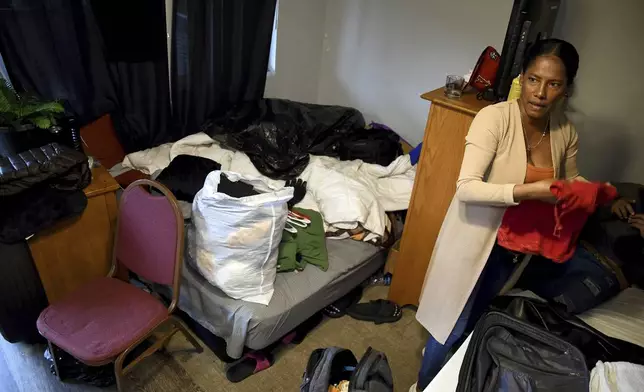
Sofia Roca packed her belongings as she prepared to leave Aurora, Colorado, on March 29, 2024. (AP Photo/Thomas Peipert)

Sofia Roca packed her belongings as she prepared to leave Aurora, Colorado, on March 29, 2024. (AP Photo/Thomas Peipert)

Sofia Roca shops on East Colfax Avenue in Aurora, Colorado, on March 29, 2024. (AP Photo/Thomas Peipert)
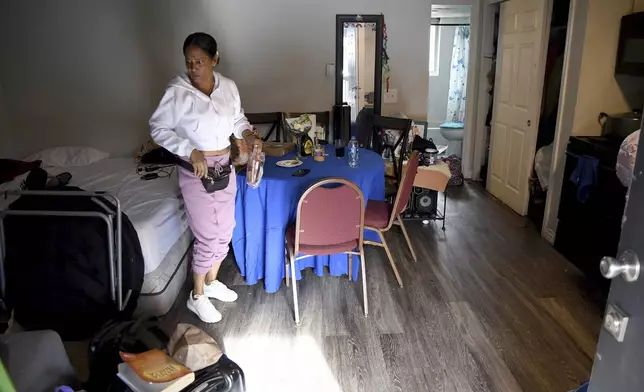
Sofia Roca shops on East Colfax Avenue in Aurora, Colorado, on March 29, 2024. (AP Photo/Thomas Peipert)

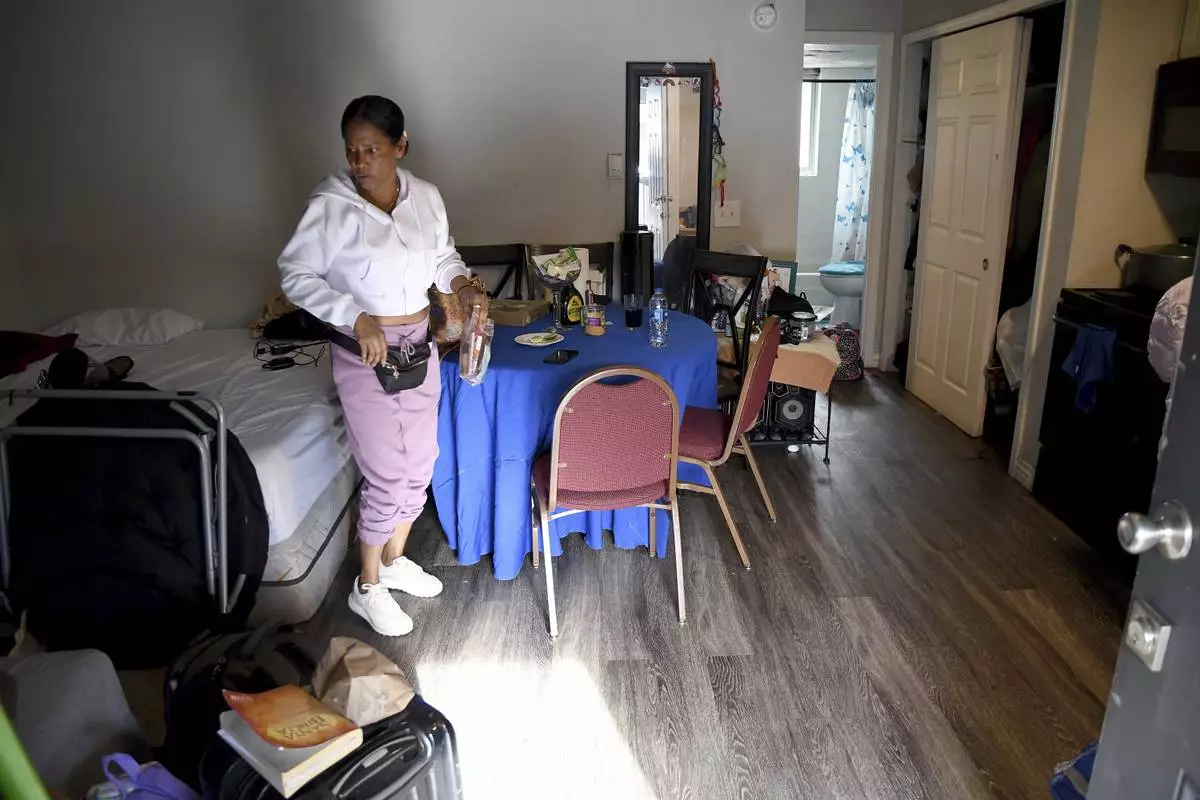
Sofia Roca packs up to leave Aurora, Colorado, on March 29, 2024. Her roommates were headed to eviction court the next week and she didn’t know where she would go if they lost the apartment. (AP Photo/Thomas Peipert)
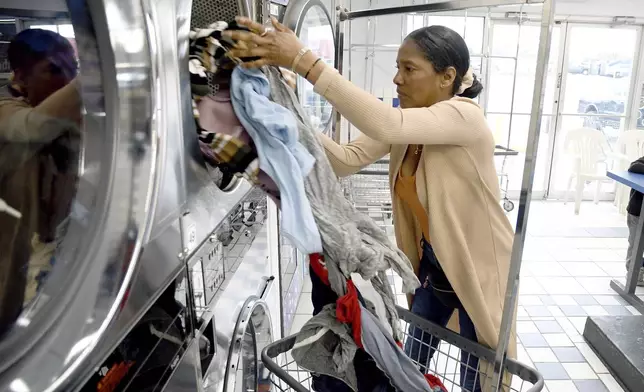
Sofia Roca packs up to leave Aurora, Colorado, on March 29, 2024. Her roommates were headed to eviction court the next week and she didn’t know where she would go if they lost the apartment. (AP Photo/Thomas Peipert)

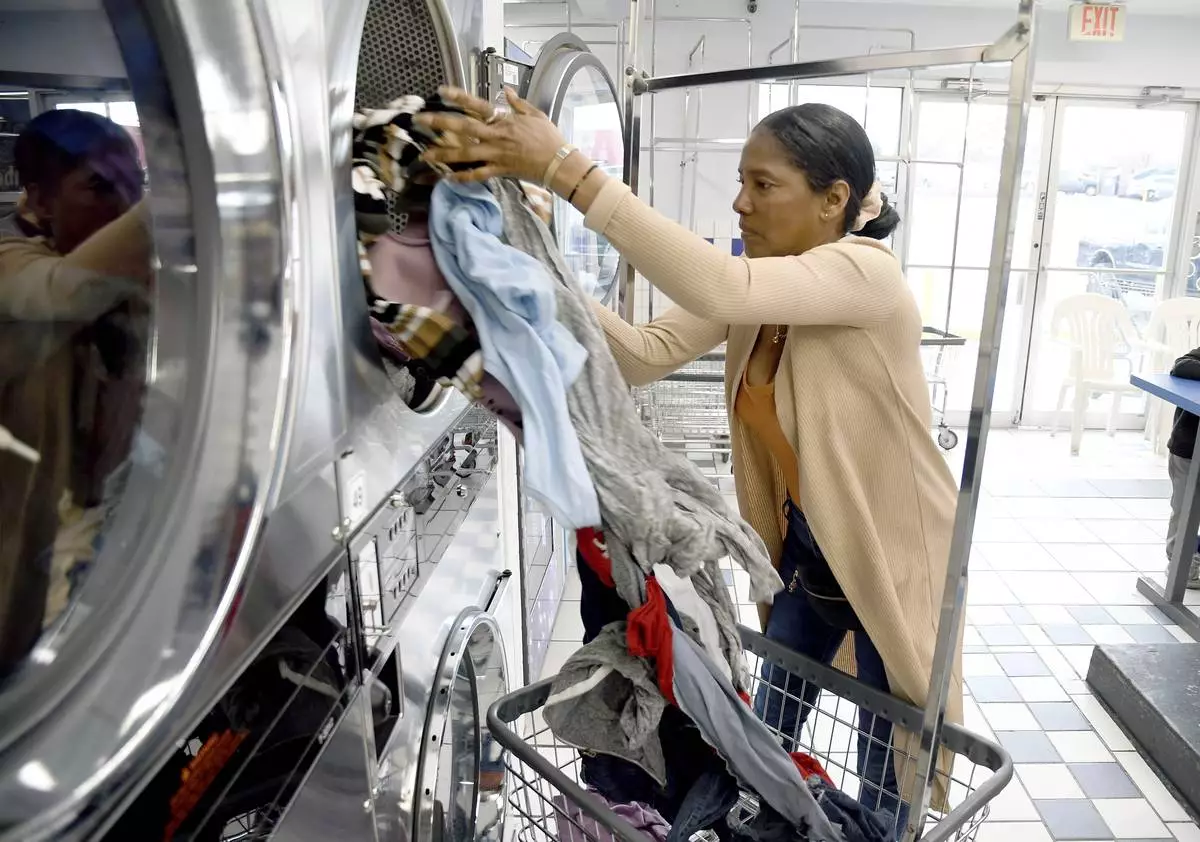
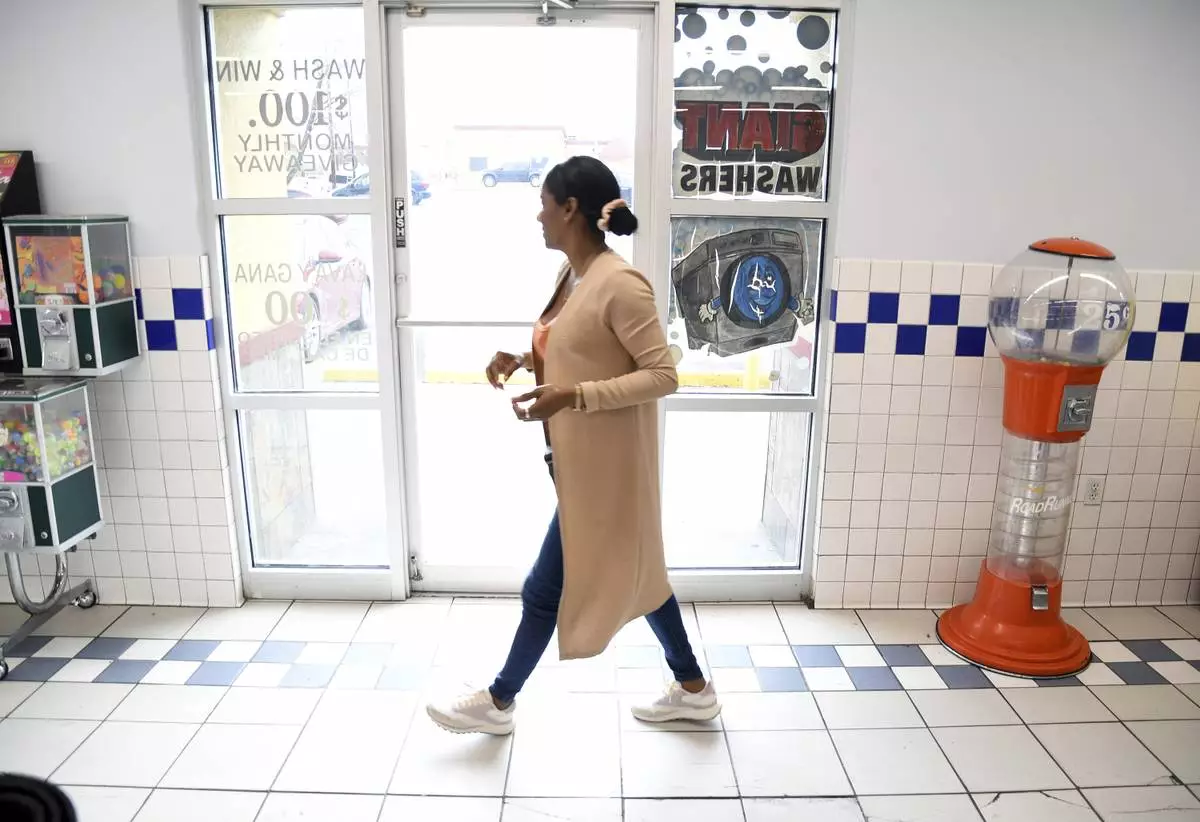
Sofia Roca, an immigrant from Colombia, washes clothes at a laundromat in Aurora, Colorado, on March 29, 2024. (AP Photo/Thomas Peipert)
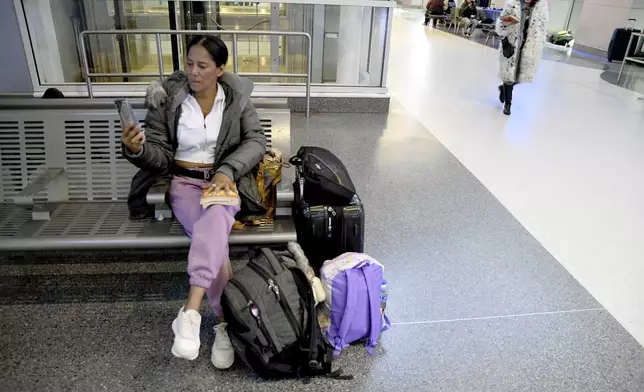
Sofia Roca, an immigrant from Colombia, washes clothes at a laundromat in Aurora, Colorado, on March 29, 2024. (AP Photo/Thomas Peipert)

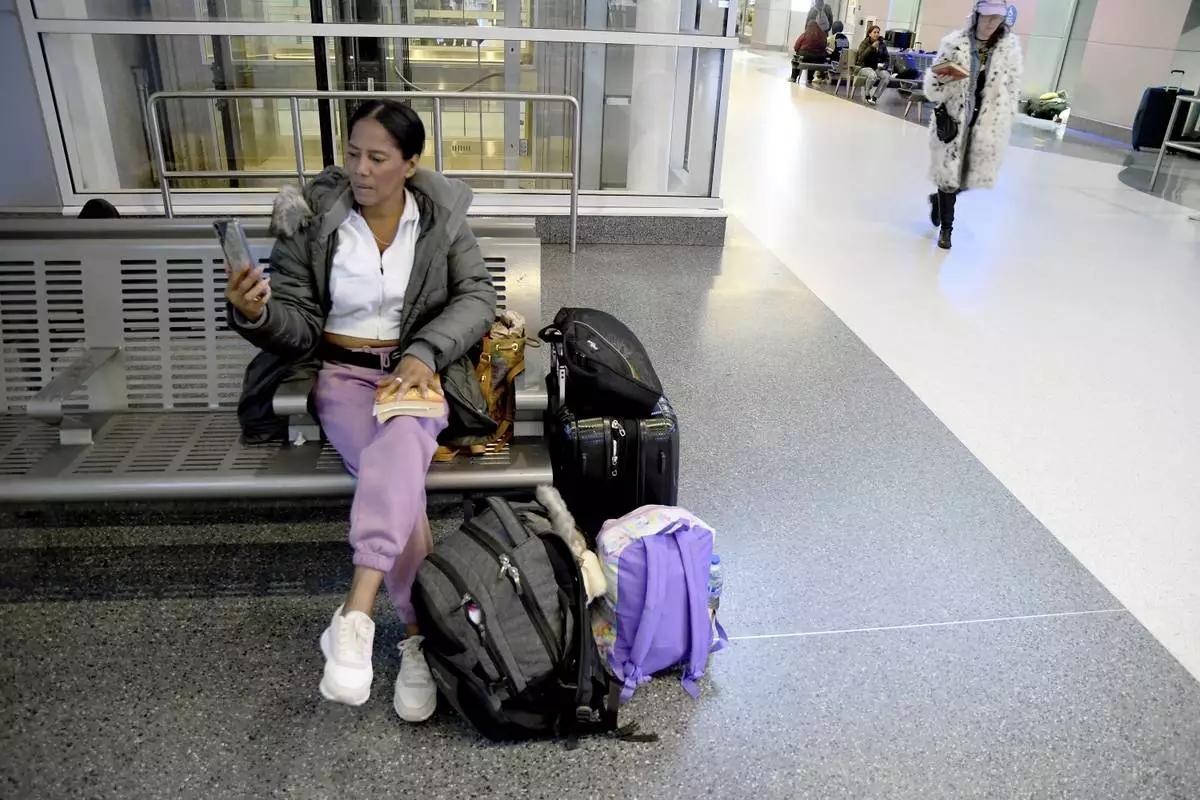
Sofia Roca, an immigrant from Colombia, prepares to leave Aurora, Colorado, on March 29, 2024. (AP Photo/Thomas Peipert)
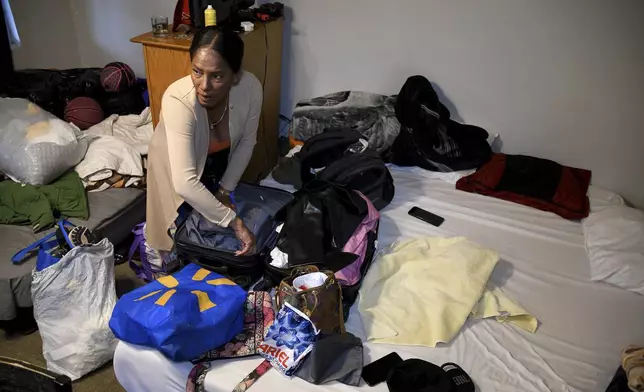
Sofia Roca, an immigrant from Colombia, prepares to leave Aurora, Colorado, on March 29, 2024. (AP Photo/Thomas Peipert)

Sofia Roca, an immigrant from Colombia, packs up her belongings in Aurora, Colorado, on March 29, 2024, as she prepares to leave in search of work in another state. (AP Photo/Thomas Peipert)

Sofia Roca, an immigrant from Colombia, packs up her belongings in Aurora, Colorado, on March 29, 2024, as she prepares to leave in search of work in another state. (AP Photo/Thomas Peipert)

Sofia Roca packs up her belongings on March 29, 2024. Many immigrants have been lured to Aurora, Colorado, by cheaper rent and abundant Spanish speakers, but finding a job and an affordable place to stay has been anything but easy. (AP Photo/Thomas Peipert)
Sofia Roca packs up her belongings on March 29, 2024. Many immigrants have been lured to Aurora, Colorado, by cheaper rent and abundant Spanish speakers, but finding a job and an affordable place to stay has been anything but easy. (AP Photo/Thomas Peipert)

Sofia Roca, an immigrant from Colombia, washes clothes at a laundromat in Aurora, Colorado, on March 29, 2024. (AP Photo/Thomas Peipert)
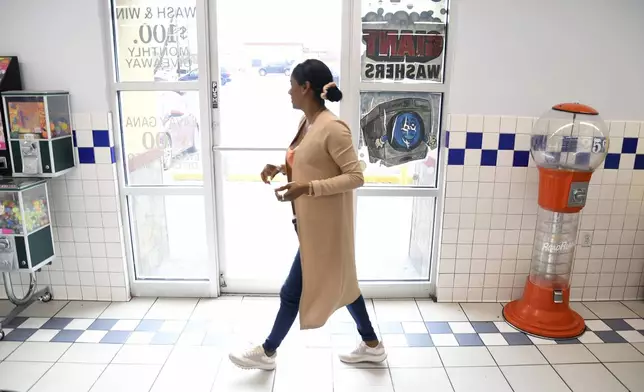
Sofia Roca, an immigrant from Colombia, washes clothes at a laundromat in Aurora, Colorado, on March 29, 2024. (AP Photo/Thomas Peipert)

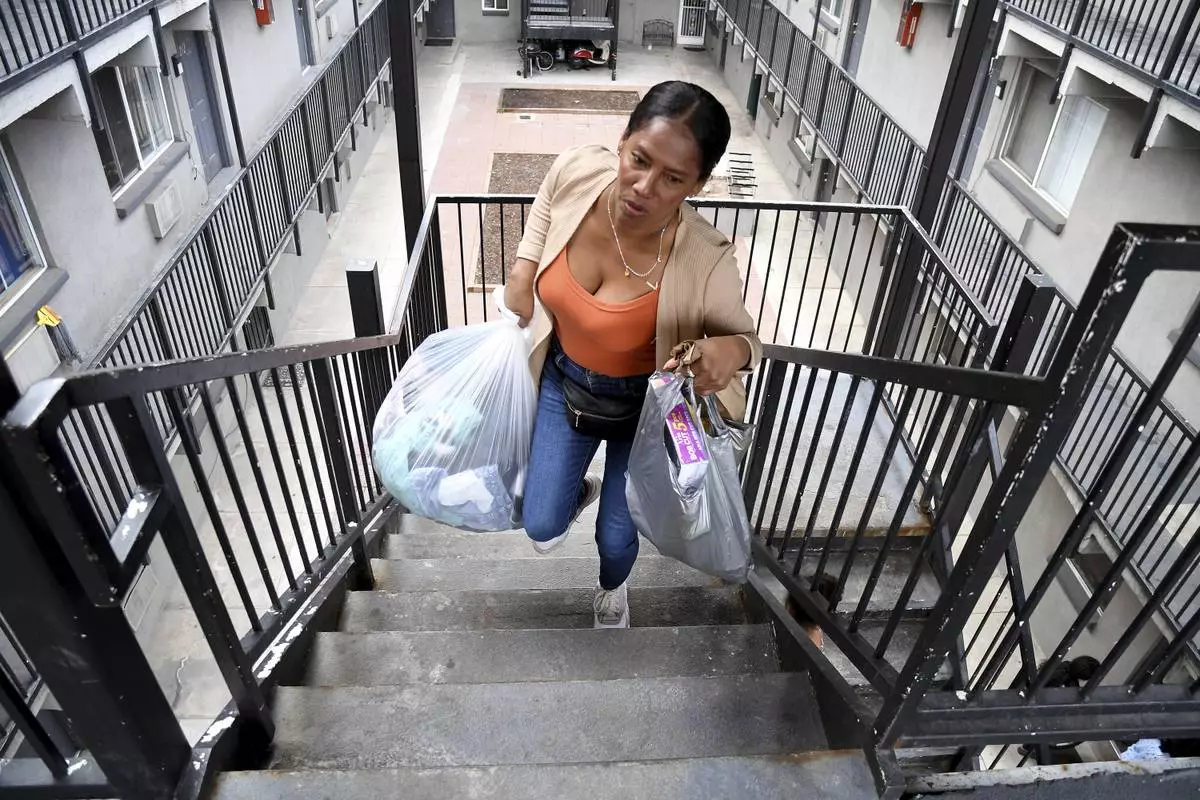
Sofia Roca, a 49-year-old immigrant from Colombia, climbs a stairway inside her apartment complex in Aurora, Colo., on March 29, 2024. (AP Photo/Thomas Peipert)
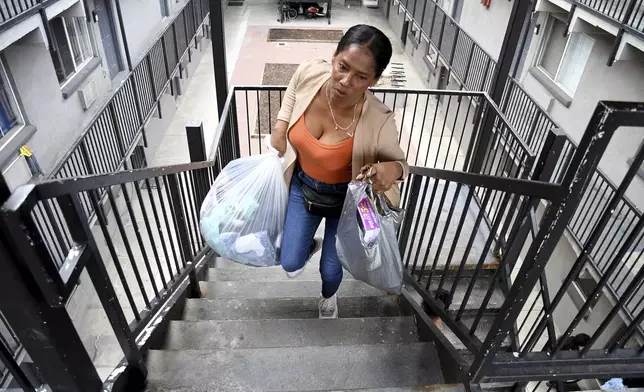
Sofia Roca, a 49-year-old immigrant from Colombia, climbs a stairway inside her apartment complex in Aurora, Colo., on March 29, 2024. (AP Photo/Thomas Peipert)

Sofia Roca, an immigrant from Colombia, washes clothes at a laundromat in Aurora, Colorado, on March 29, 2024. (AP Photo/Thomas Peipert)
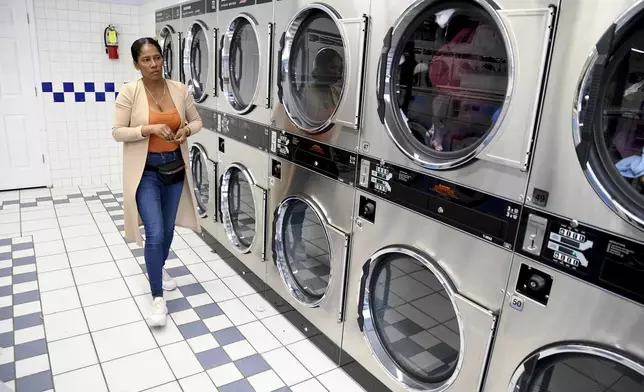
Sofia Roca, an immigrant from Colombia, washes clothes at a laundromat in Aurora, Colorado, on March 29, 2024. (AP Photo/Thomas Peipert)

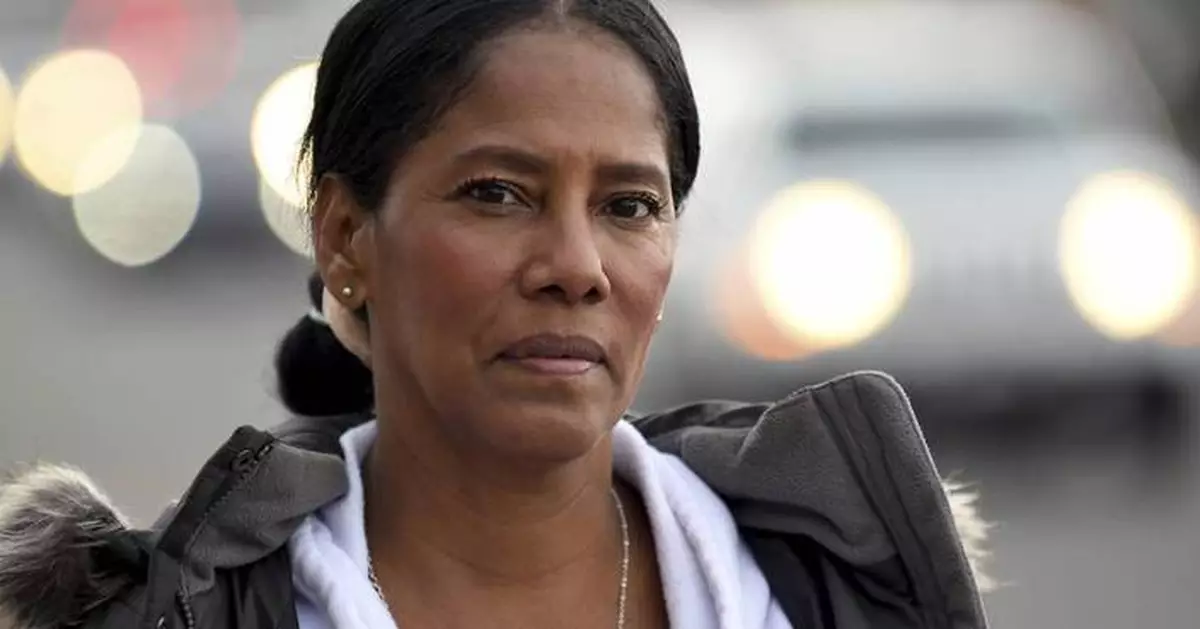
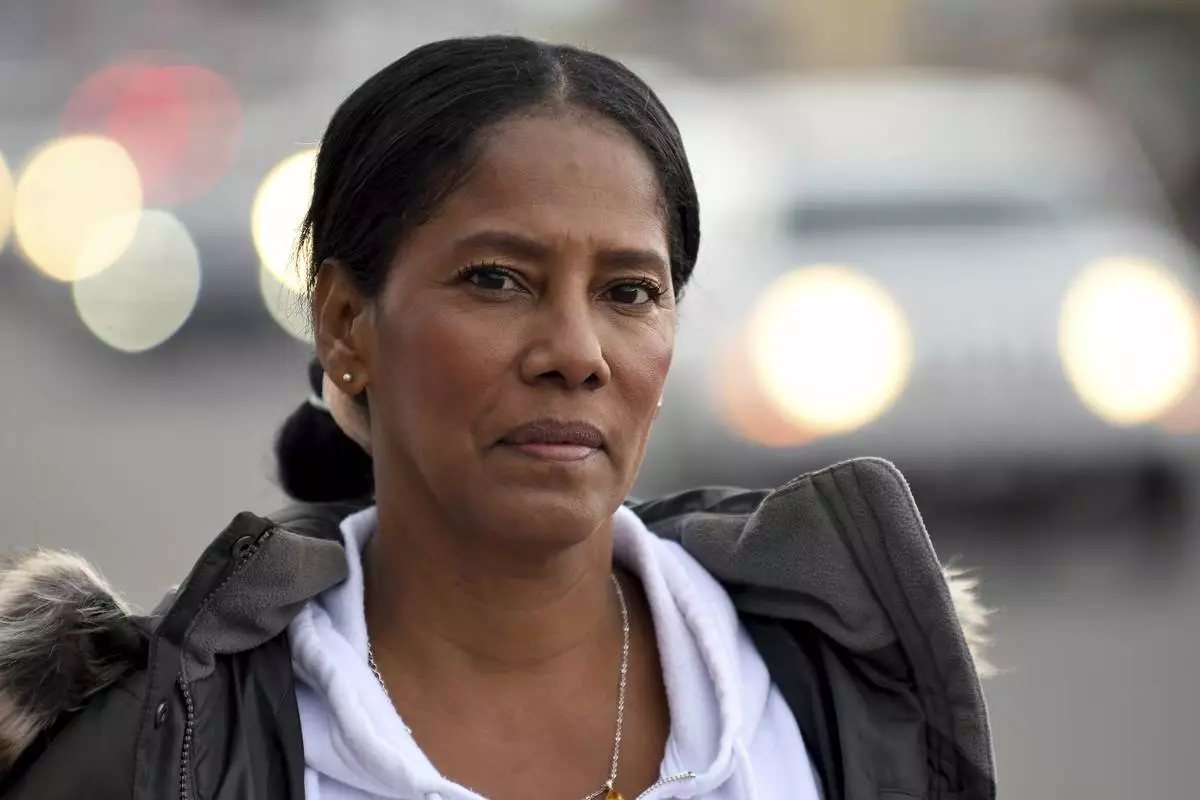
Sofia Roca, poses for a portrait on March 29, 2024, as she prepares to leave Aurora, Colorado, in search of more reliable work in another state. (AP Photo/Thomas Peipert)

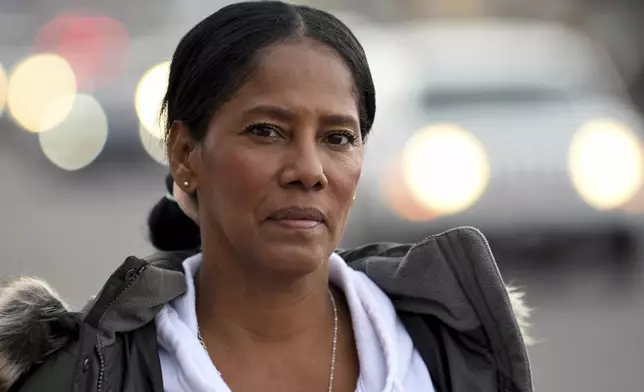
Sofia Roca, poses for a portrait on March 29, 2024, as she prepares to leave Aurora, Colorado, in search of more reliable work in another state. (AP Photo/Thomas Peipert)

On East Colfax in Aurora, Colorado, bosses would speak Spanish and might be willing to hire someone like Roca — a 49-year-old immigrant from Colombia — without legal authorization to work. That was the rationale for going back each morning, fruitless as it was.

“Do you know how to cook Mexican food?” asked one woman when Roca inquired about a kitchen position. Roca’s accent was a giveaway: not Mexican.

“I can learn,” Roca replied in Spanish.

Responded the woman: “We’re not hiring."

As record numbers of South Americans attempt to cross the U.S. southern border, many are landing in communities that are unprepared for them — and sometimes outright hostile.

Women are leaving Colombia, and to a greater extent Venezuela, to escape starvation and violence, to provide for their children and to seek medical care. They represent some of the more than 42,000 migrants who have arrived in the Denver area over two years. Many didn’t know anyone in Denver. But it was the closest city to which Texas was offering free bus rides, both to relieve pressure on its towns and to make a political point to liberal-leaning cities about immigration’s impact on the border.

From Denver, untold numbers made their way to the suburb of Aurora, lured by cheaper rent and abundant Spanish speakers. But finding a job has been anything but easy, and women face their own particular challenges.

Last year, nearly 900,000 women and girls tried to cross the U.S. southern border, more than a fivefold increase over the last decade, U.S. Customs and Border Protection data shows. Like many of them, Roca came to the U.S. to help her children. Her adult daughter in Colombia suffers from lupus and can’t afford “the good medicines.”

After making it across the U.S. border, Roca told U.S. agents she was seeking asylum. She heard from a shelter worker in El Paso that Denver was offering migrants free housing and Texas would pay to get her there.

Roca arrived in November and stayed two weeks in a shelter. When she went looking for work along East Colfax, she observed an icy reception.

She didn't know the benefits many recent migrants have received — specifically, a path to a temporary work visa and with it better-paying jobs — were causing resentment among Aurora's large Mexican community. Many have loved ones in the country illegally or have themselves lived for years in the United States without legal permission to work.

Resentment for newcomers was building in another corner of Aurora, too — City Hall. Aurora officials in February had warned other communities against housing migrants there, vowing not to spend city money to help them. This summer, Aurora’s mayor repeated a landlord’s claim that a notorious Venezuelan gang had taken over an apartment building. Even though police say that's false, former President Donald Trump took up the claim, mentioning it at his campaign rallies. The mayor last month walked back some of his comments.

Roca never made a deliberate decision to settle in Aurora. To her, it wasn’t clear where Denver ended and Aurora began.

So when Roca's time is almost up at the Denver shelter, she does the only thing she knows to do: She heads to East Colfax in Aurora.

A man standing by his truck outside a thrift store catches her attention. He says he can help her, but not in Colorado. She can come to Kentucky with him and his family.

After more than a week of staying with the family in Kentucky, Roca learns the man's wife works in el negocio, or “the business.” There is not much work in Kentucky, so she earns her money through sex work, she tells Roca, while her kids play a few feet away.

A few days later, a Mexican man in his 30s pulls up outside the couple's trailer in a pickup truck.

He’d seen a picture of Roca and liked her — and would pay $1,000 for two nights with Roca, the wife says. Roca would keep $600, the couple would get $400.

In her month in the United States, Roca has come to understand she'll have to make sacrifices in this country. But subjecting herself to the whims of a stranger in such an intimate and vulnerable way?

“No,” she tells the woman. “I’m not going anywhere with anyone.”

The man is told to leave. The insults start immediately.

How are you going to earn money, girl? asks the woman. You’re not going to just live here for free.

Back to Aurora and East Colfax Avenue.

On most days walking along Colfax, Roca says, men would solicit her for sex, holding up their fingers to signal how many hundreds of dollars they were willing to pay.

As she looked for work in March, she came across what looked like an old motel. A man behind a plexiglass window urged her to try the bar in the back.

At a few Mexican cantinas around Aurora and Denver, “ficheras,” as the women are known in Spanish, sell beers at a markup to men and pocket the profits. It can be a fast way to earn money, but also a route to sex trafficking.

“I don’t think I have to do that yet,” Roca said. “But this street — it only offers prostitution.”

Since returning to Aurora, Roca had discovered she has few options for establishing legal residence or working legally in the U.S. She told U.S. Border Patrol officials she plans to plead for asylum at her deportation hearing, but she doubts they will grant it.

She had gotten in touch through Facebook with a friend from Colombia living in the northeastern U.S. “She’s told me she can get me a job at a hotel and I can stay with her,” she said.

Two days later, with about $80 in her pocket, Roca boarded a Greyhound bus paid for by the city of Denver. (The Associated Press is not identifying her new location. Roca is afraid the Cuban couple might seek her out after she spoke about them in the media.)

Roca’s friend followed through on her promises, connecting her to a job cleaning hotel rooms. She walks through the city with ease — and anonymously.

“It’s a huge difference from my life in Denver,” she says. “There’s less chaos, and no one has disrespected me."

She's not sure how long she'll stay. But Sofia Roca will never live in Aurora, Colorado, again.

The Associated Press’ education coverage receives financial support from multiple private foundations. AP is solely responsible for all content. Find AP’s standards for working with philanthropies, a list of supporters and funded coverage areas at AP.org.
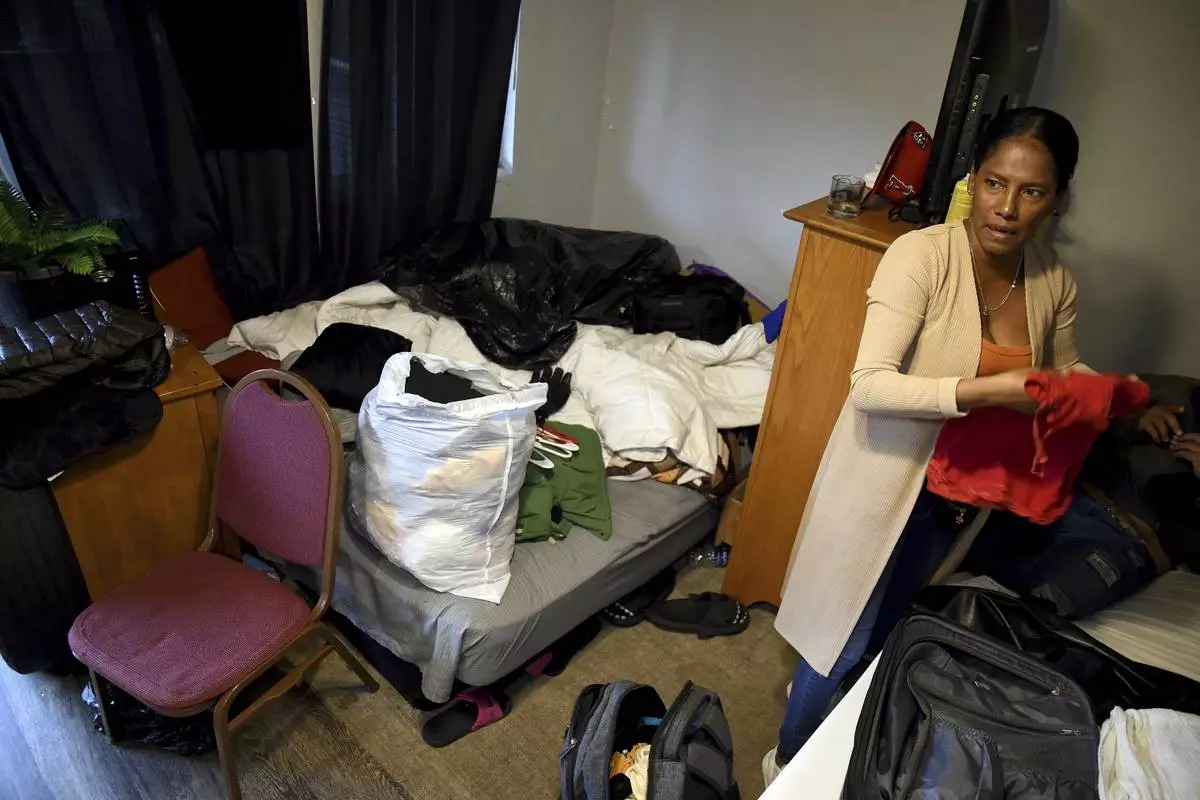
Sofia Roca packed her belongings as she prepared to leave Aurora, Colorado, on March 29, 2024. (AP Photo/Thomas Peipert)

Sofia Roca packed her belongings as she prepared to leave Aurora, Colorado, on March 29, 2024. (AP Photo/Thomas Peipert)

Sofia Roca shops on East Colfax Avenue in Aurora, Colorado, on March 29, 2024. (AP Photo/Thomas Peipert)
Sofia Roca shops on East Colfax Avenue in Aurora, Colorado, on March 29, 2024. (AP Photo/Thomas Peipert)

Sofia Roca packs up to leave Aurora, Colorado, on March 29, 2024. Her roommates were headed to eviction court the next week and she didn’t know where she would go if they lost the apartment. (AP Photo/Thomas Peipert)
Sofia Roca packs up to leave Aurora, Colorado, on March 29, 2024. Her roommates were headed to eviction court the next week and she didn’t know where she would go if they lost the apartment. (AP Photo/Thomas Peipert)

Sofia Roca, an immigrant from Colombia, washes clothes at a laundromat in Aurora, Colorado, on March 29, 2024. (AP Photo/Thomas Peipert)
Sofia Roca, an immigrant from Colombia, washes clothes at a laundromat in Aurora, Colorado, on March 29, 2024. (AP Photo/Thomas Peipert)

Sofia Roca, an immigrant from Colombia, prepares to leave Aurora, Colorado, on March 29, 2024. (AP Photo/Thomas Peipert)
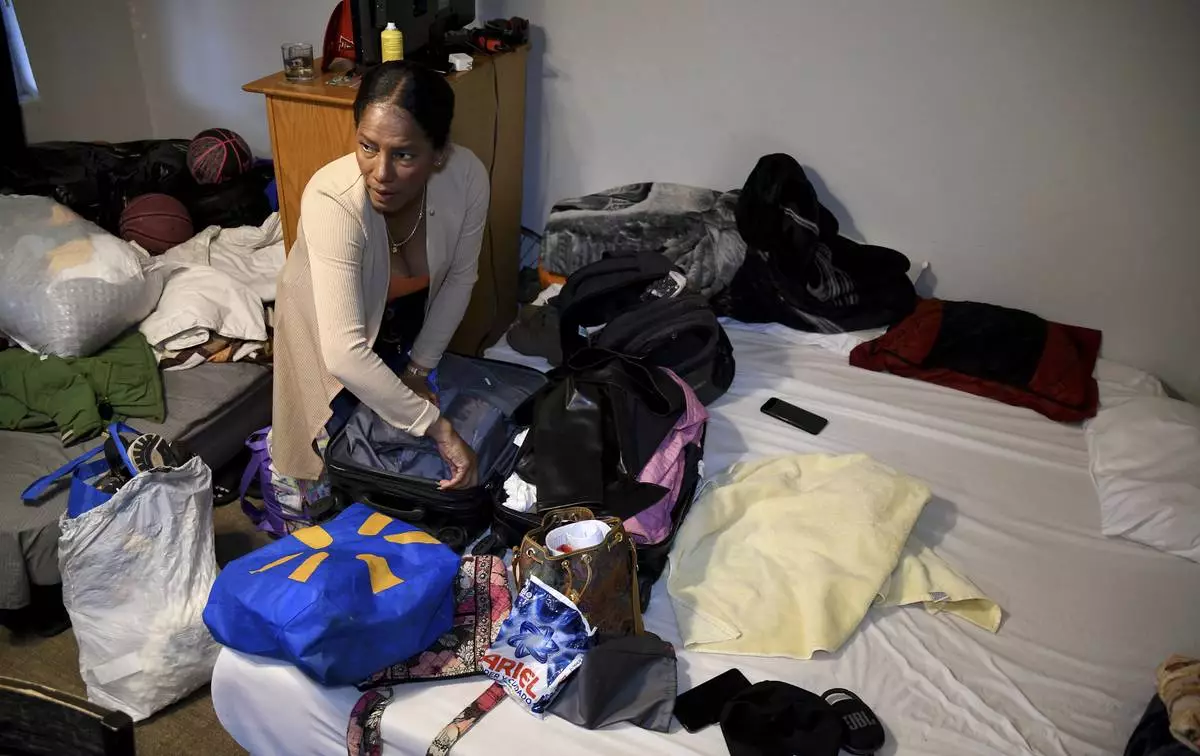
Sofia Roca, an immigrant from Colombia, prepares to leave Aurora, Colorado, on March 29, 2024. (AP Photo/Thomas Peipert)

Sofia Roca, an immigrant from Colombia, packs up her belongings in Aurora, Colorado, on March 29, 2024, as she prepares to leave in search of work in another state. (AP Photo/Thomas Peipert)
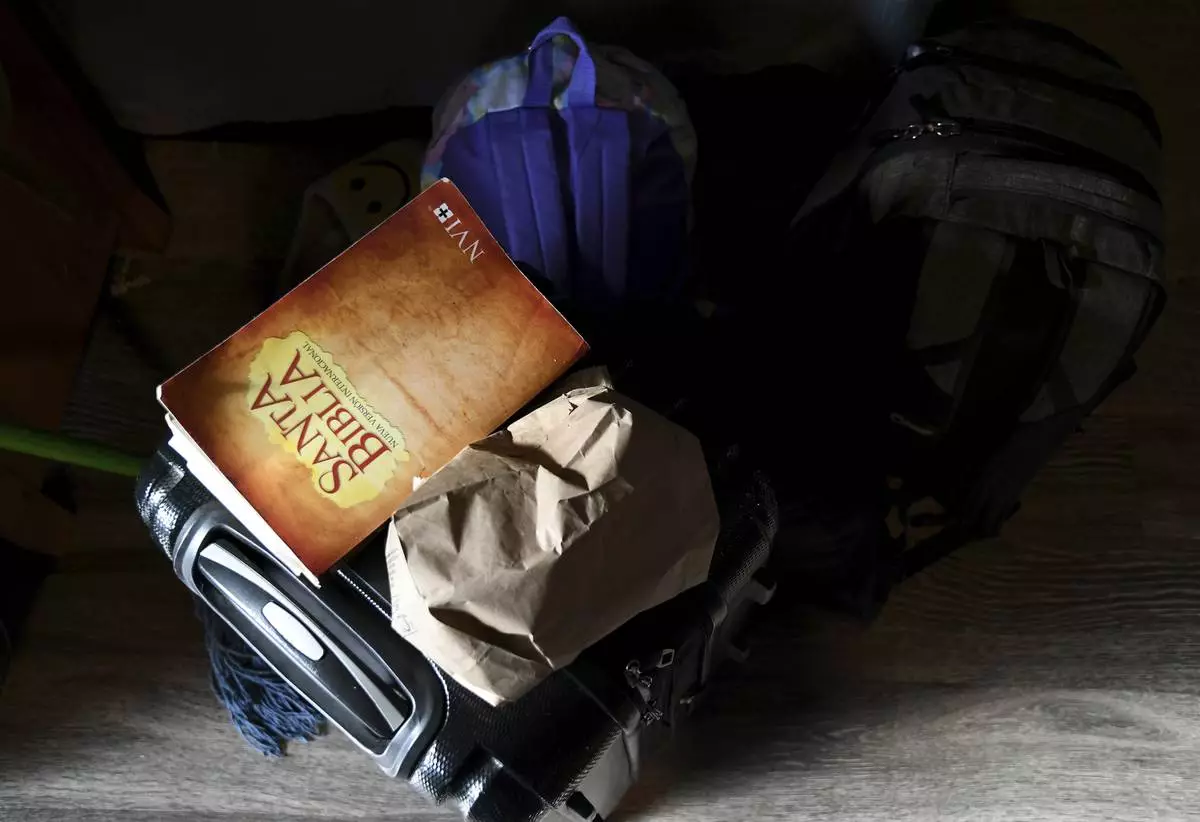
Sofia Roca, an immigrant from Colombia, packs up her belongings in Aurora, Colorado, on March 29, 2024, as she prepares to leave in search of work in another state. (AP Photo/Thomas Peipert)

Sofia Roca packs up her belongings on March 29, 2024. Many immigrants have been lured to Aurora, Colorado, by cheaper rent and abundant Spanish speakers, but finding a job and an affordable place to stay has been anything but easy. (AP Photo/Thomas Peipert)
Sofia Roca packs up her belongings on March 29, 2024. Many immigrants have been lured to Aurora, Colorado, by cheaper rent and abundant Spanish speakers, but finding a job and an affordable place to stay has been anything but easy. (AP Photo/Thomas Peipert)

Sofia Roca, an immigrant from Colombia, washes clothes at a laundromat in Aurora, Colorado, on March 29, 2024. (AP Photo/Thomas Peipert)
Sofia Roca, an immigrant from Colombia, washes clothes at a laundromat in Aurora, Colorado, on March 29, 2024. (AP Photo/Thomas Peipert)

Sofia Roca, a 49-year-old immigrant from Colombia, climbs a stairway inside her apartment complex in Aurora, Colo., on March 29, 2024. (AP Photo/Thomas Peipert)

Sofia Roca, a 49-year-old immigrant from Colombia, climbs a stairway inside her apartment complex in Aurora, Colo., on March 29, 2024. (AP Photo/Thomas Peipert)

Sofia Roca, an immigrant from Colombia, washes clothes at a laundromat in Aurora, Colorado, on March 29, 2024. (AP Photo/Thomas Peipert)
Sofia Roca, an immigrant from Colombia, washes clothes at a laundromat in Aurora, Colorado, on March 29, 2024. (AP Photo/Thomas Peipert)

Sofia Roca, poses for a portrait on March 29, 2024, as she prepares to leave Aurora, Colorado, in search of more reliable work in another state. (AP Photo/Thomas Peipert)


Sofia Roca, poses for a portrait on March 29, 2024, as she prepares to leave Aurora, Colorado, in search of more reliable work in another state. (AP Photo/Thomas Peipert)

BOSTON (AP) — When Zdeno Chara signed with the Boston Bruins in 2006, the No. 3 he wore early in his career had already been retired by the Original Six franchise.

So he picked No. 33 without giving it much thought.

“Little did I know how meaningful 33 was,” Chara said on Thursday night before his number was raised to the TD Garden rafters not far from where Larry Bird's No. 33 already hangs in Celtics green.

It is the 13th number retired by the Bruins, and the latest in a collection of Hall of Fame defenseman that runs from Eddie Shore to Bobby Orr to Raymond Bourque.

“It's a huge honor,” Chara told reporters. "I can’t explain to you how honored I feel. I’m humbled about being selected to be one of the numbers being retired. Being with that history, forever."

The 2009 Norris Trophy winner and a 2025 Hockey Hall of Fame inductee, Chara spent 14 of his 24 NHL seasons in Boston, leading the Bruins to the 2011 Stanley Cup championship. His 1,680 games is the most of any NHL defenseman; at 6 feet, 9 inches (2.06m), he is the tallest player in league history, and his 108.8 mph (175.1 kmh) slap shot in the 2012 skills competition remains the NHL record.

But his teammates and other Bruins attending Thursday's ceremony said Chara's biggest contribution was signing with a team that hadn't won a playoff series in six years — “the best decision I ever made” — and turning them into champions.

“Things really changed when Zee came here as a free agent,” Bourque said. "From that point on, the culture and everything that comes with that, and the success and the run that they had, he was such a big part of that.

“He’s a legend,” Bourque said. “He really deserves to be up there.”

Bourque was among the former Bruins greats in attendance, along with Orr — both of them, like Chara, Boston defensemen who finished their careers elsewhere on their way to the Hall of Fame. They arrived via gold carpet that led them past adoring fans and the statue of Orr flying through the air following his Cup-winning goal in the 1970 finals.

Other fellow retired number honorees in attendance included Cam Neely, Willie O’Ree, Rick Middleton, Terry O'Reilly and John Bucyk. The current Bruins sat on the bench, all wearing Chara jerseys.

Five members of the 2011 roster — Patrice Bergeron, Mark Recchi, Dennis Seidenberg, David Krejci and Tuukka Rask — carried the retired number onto the ice, and teammate Andrew Ference served as emcee.

In his speech, Chara read the names of every player on the Bruins last Cup winners. Asked why, he said after: “Without championships, you are not going to be successful, you’re not going to be recognized.

"The championships, that’s what they do. They raise everyone, they extend careers for everyone,” he explained. "They create dynasties. They create stories. They create memories. They created what we’re experiencing tonight.

"It’s very simple: Once you win the championship, everything gets so much better for everyone. And the most beautiful thing about it: You create extended families with each other. It’s true. You have bonds, you have friendships that are now still forever. It’s amazing; it’s like you’re seeing your brother. You trust the person; you know everything about them. And anytime anybody needs something, you’re there for them.

“That’s what winning championships do,” he said. “Not just for a career, but for the rest of your lives, it means something very special.”

The ceremony at center ice featured a “Big Zee” ice sculpture flanking the podium and a large No. 33 behind it. Fans were asked to get in their seats two hours early, and the full TD Garden erupted in a giant shout of “Zee!” followed by an extended cheer of “Thank you, Chara!”

A highlight video featured former Bruins Brad Marchand and current coach Marco Sturm, Chara's teammate from 2006-10. Many of them spoke of the way Chara led by example.

“He wasn’t really a ‘Rah, rah!’ guy,” former Bruins forward and current team president Neely said, “but when he spoke, it was with a purpose.”

And so, when it was time to raise his No. 33 to the rafters, Chara stood by with his wife, Tatiana, while their children — Zack, Ben and Elliz — pulled the ropes.

“That’s the biggest reward for me: To see my children and my family doing it instead of me. I think I get better joy watching them doing it than the joy of me doing it because it's so much more meaningful,” he explained. "They deserve that more than me."

AP NHL: https://apnews.com/hub/nhl

Former Boston Bruins captain Zdeno Chara speaks during his number retirement ceremony before an NHL hockey game between the Boston Bruins and the Seattle Kraken Thursday, Jan. 15, 2026, in Boston. (AP Photo/Winslow Townson)

Former Boston Bruins captain Zdeno Chara speaks during his number retirement ceremony before an NHL hockey game between the Boston Bruins and the Seattle Kraken Thursday, Jan. 15, 2026, in Boston. (AP Photo/Winslow Townson)

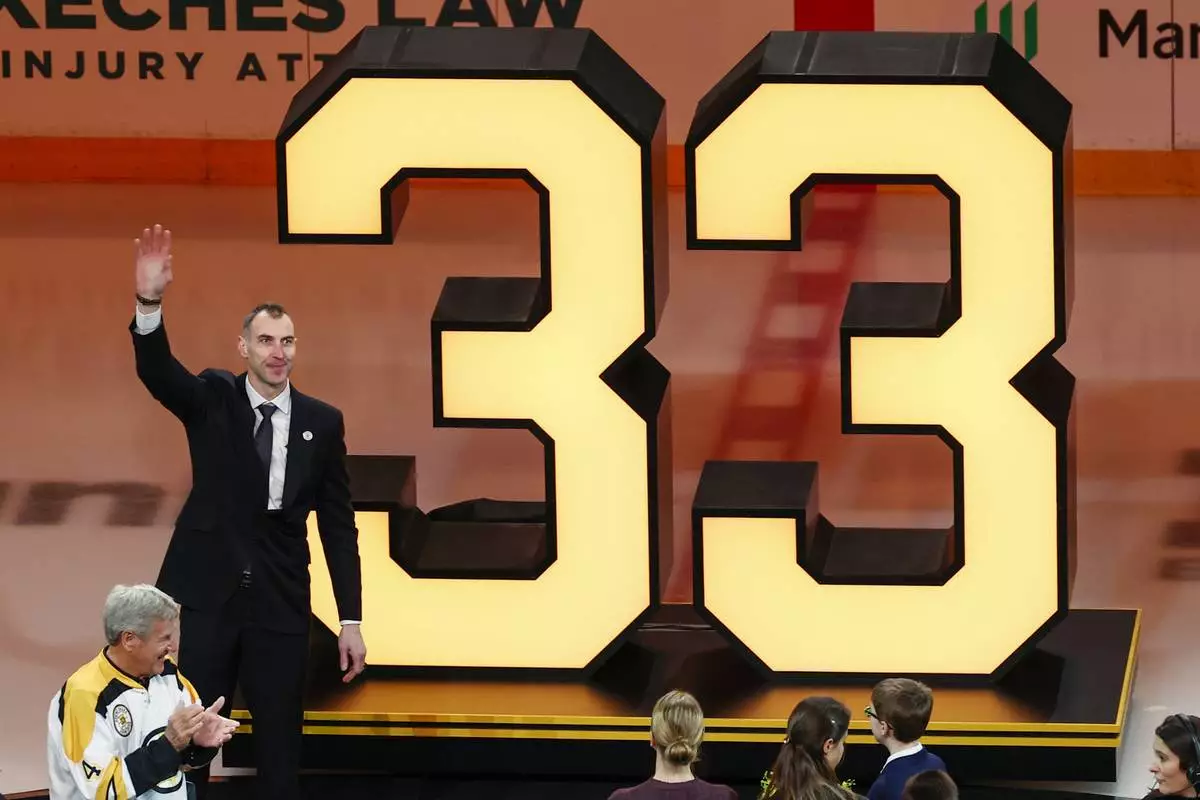
Former Boston Bruins captain Zdeno Chara leads his family over to his number "33" to raise it to the rafters before an NHL hockey game between the Boston Bruins and the Seattle Kraken, Thursday, Jan. 15, 2026, in Boston. (AP Photo/Winslow Townson)

Former Boston Bruins captain Zdeno Chara leads his family over to his number "33" to raise it to the rafters before an NHL hockey game between the Boston Bruins and the Seattle Kraken, Thursday, Jan. 15, 2026, in Boston. (AP Photo/Winslow Townson)

Former Boston Bruins captain Zdeno Chara, center, waves to the crowd during his number retirement ceremony, as Bruins' players with their number already retired, from left, Willie O'Ree, Rick Middleton, Terrry O'Reilly, Cam Neely, emcee Andrew Ferrance and Bobby Orr look on before an NHL hockey game between the Boston Bruins and the Seattle Kraken, Thursday, Jan. 15, 2026, in Boston. (AP Photo/Winslow Townson)

Former Boston Bruins captain Zdeno Chara, center, waves to the crowd during his number retirement ceremony, as Bruins' players with their number already retired, from left, Willie O'Ree, Rick Middleton, Terrry O'Reilly, Cam Neely, emcee Andrew Ferrance and Bobby Orr look on before an NHL hockey game between the Boston Bruins and the Seattle Kraken, Thursday, Jan. 15, 2026, in Boston. (AP Photo/Winslow Townson)

Former Boston Bruins captain Zdeno Chara's number "33" is raised to the rafters at TD Garden before an NHL hockey game between the Boston Bruins and the Seattle Kraken Thursday, Jan. 15, 2026, in Boston. (AP Photo/Winslow Townson)

Former Boston Bruins captain Zdeno Chara's number "33" is raised to the rafters at TD Garden before an NHL hockey game between the Boston Bruins and the Seattle Kraken Thursday, Jan. 15, 2026, in Boston. (AP Photo/Winslow Townson)

Bobby Orr applauds, left bottom, as former Boston Bruins captain Zdeno Chara waves to the crowd during his number retirement ceremony before an NHL hockey game between the Boston Bruins and the Seattle Kraken, Thursday, Jan. 15, 2026, in Boston. (AP Photo/Winslow Townson)

Bobby Orr applauds, left bottom, as former Boston Bruins captain Zdeno Chara waves to the crowd during his number retirement ceremony before an NHL hockey game between the Boston Bruins and the Seattle Kraken, Thursday, Jan. 15, 2026, in Boston. (AP Photo/Winslow Townson)

Recommended Articles