China has signed comprehensive mutual visa exemption agreements with 24 countries, demonstrating its commitment to fostering a more convenient and inviting environment for international travelers, said Foreign Affairs Ministry Spokeswoman Mao Ning at a regular press briefing on Tuesday.
During the week-long National Day holiday that just concluded, inbound travel orders surged by approximately 60 percent from the previous year, with numerous Chinese cities emerging as popular destinations for tourists worldwide, as reported by various travel platforms.
"The increasing popularity of 'China tour' reflects the country's growing appeal and openness. China has now enjoyed comprehensive mutual visa exemption with 24 countries, implemented visa-free entry policies for 16 countries, and offered 72-hour or 144-hour visa-free transit for citizens of 54 countries. The immigration procedure for foreign tourists to China has been continuously simplified, and their experiences within the country have been constantly optimized. As far as I know, Beijing has introduced the 'Service Guide for First-time Visitors to Beijing', which systematically provides information on various life services. Shanghai has equipped taxis and metro stations with international card payment devices, and eight cities, including Chengdu and Xi'an, are also piloting new measures to facilitate payment for visitors to China," said Mao. "China will open up further to the world and enhance entry-exit facilitation. We welcome more friends from around the world to travel to China, enjoy the beautiful scenery, and feel the charm of China," said Mao.
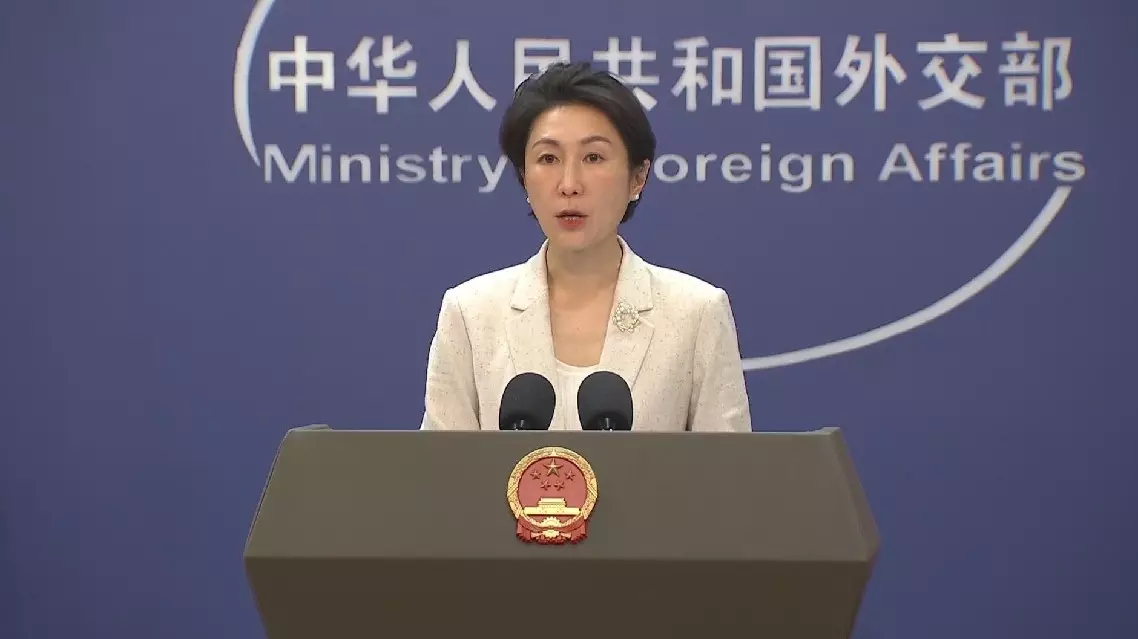
China signs comprehensive mutual visa exemption agreement with 24 countries
China's 15th Five-Year Plan proposal sends a strong signal of the country's commitment to upholding openness and cooperation, which will promote further development for the country and the world, said officials and scholars around the world.
The draft 15th Five-Year Plan, the blueprint that will guide the world's second-largest economy from 2026 to 2030, is central to steer China to move toward modernization amid technological disruption, demographic shifts and an increasingly fractured global order, according to the scholars.
"China's 15th Five-Year Plan is not a rigid model; it is more like benchmarks for growth targets and focal points. Chinese economists and economic decision-makers are not just focusing on qualitative growth, but also on innovative development. We're witnessing new transportation methods, robotics and artificial intelligence," said Andrey Denisov, first deputy chair of Russia's Federation Council Committee on Foreign Affairs and former Russian Ambassador to China.
"The 15th Five-Year Plan is of great importance to China's development. The country is poised to make remarkable advancements in various sectors, including artificial intelligence, high-end manufacturing and infrastructure construction. Given the shifting global context and China's transition towards high-quality development, I am confident that this plan will herald a new era for China's development," said Kamel Mansari, news director of the French-language daily Le Jeune Independent.
Scholars also noted that China's commitment to high-quality development and high-level opening-up will promote win-win results and benefit the world.
"China has emerged as a key partner for most countries worldwide, and a preferred partner due to its closeness and integration with global communities, as well as its strong humanitarian perspective. The Chinese economy has not only benefited itself; it has helped many economies worldwide flourish through its partnerships," said Dirgham Muhammad Ali, an Iraqi economic expert.
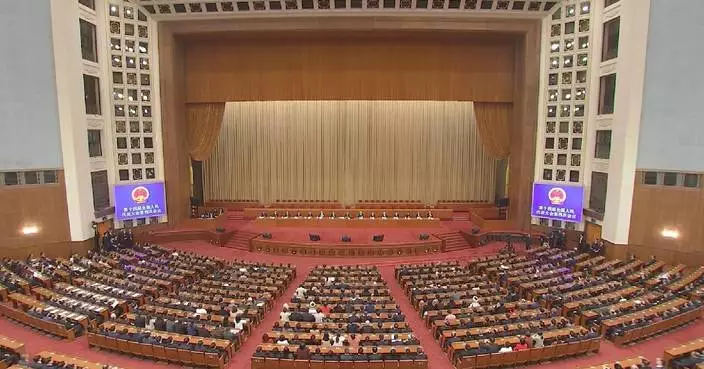
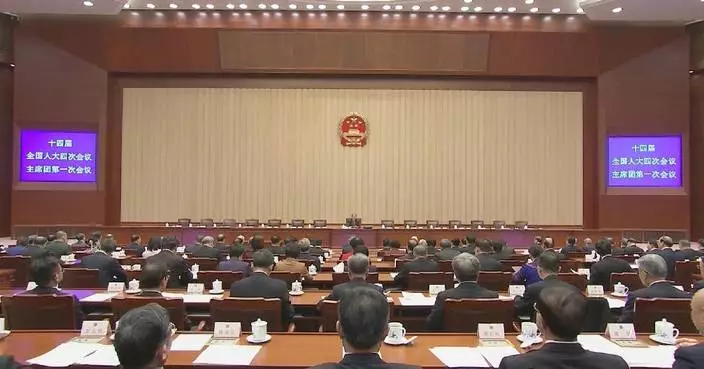
China's National People's Congress (NPC) is scheduled to open in Beijing on Wednesday, with lawmakers set to approve the 15th Five-Year Plan.
15th Five-Year Plan to guide China's development, benefit world: scholars