China and the Association of Southeast Asian Nations (ASEAN) announced on Thursday the substantial conclusion of negotiations to upgrade the China-ASEAN Free Trade Area (FTA) to Version 3.0.
The two sides agreed that the conclusion of the upgrade negotiations demonstrates the two sides' unwavering resolve to maintain a rules-based trading environment and accelerate post-pandemic economic recovery by deepening and broadening economic integration and cooperation amidst a complex global environment, leaders from China and ASEAN countries said in a joint statement on the sidelines of the 27th China-ASEAN Summit in Vientiane, Laos.
The FTA 3.0 now encompasses areas such as digital economy, green economy, supply chain connectivity, standards, technical regulations, and conformity assessment procedures, customs procedures and trade facilitation, competition and consumer protection, as well as micro, small and medium-sized enterprises (MSMEs).
The two sides confirmed that they will speed up the completion of legal reviews and domestic procedures to work towards the signing of ACFTA 3.0 Upgrade Protocol in 2025.
The building of the China-ASEAN FTA commenced in 2002 and completed in 2010, with agreements on goods trade, trade in service, and investment being signed and implemented during the period.
In 2015, the two sides signed an agreement to upgrade the FTA to its Version 2.0, which came fully into effect in 2019. With improvements in the chapters of rules of origin, customs procedures and trade facilitation, investment, economic and technical cooperation, and market access for services, the FTA has served as an institutional cornerstone of China-ASEAN economic and trade ties.
Upgrade negotiations for Version 3.0 officially kicked off in November 2022. After nine rounds of formal negotiations and over 100 working group meetings in nearly two years, China and ASEAN have agreed to comprehensively expanded mutually beneficial cooperation in emerging fields, enhance the integration of standards and regulations, and promote trade facilitation and inclusive development, building on the existing bilateral Free Trade Agreement and the Regional Comprehensive Economic Partnership (RCEP), the world's largest free trade pact that includes 10 ASEAN members, along with China and four other countries.
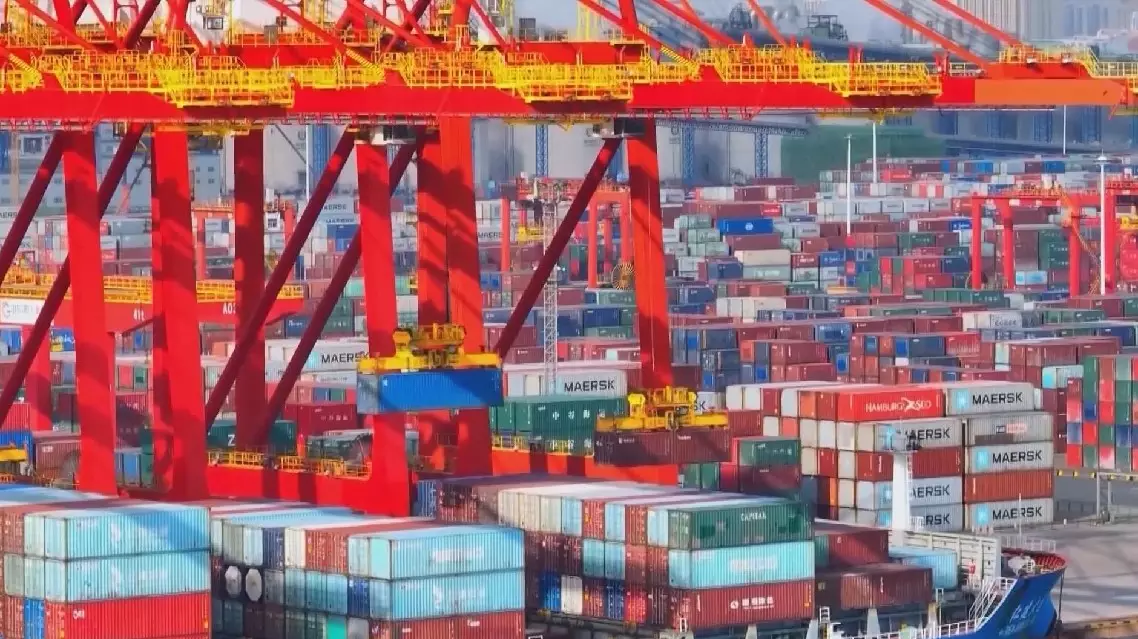
China, ASEAN announce substantial conclusion of FTA 3.0 upgrade negotiations