Shanghai, a leading medical hub in China, is endeavoring to develop a comprehensive hospice care service system to offer enhanced medical treatment and more attentive emotional support to patients in their final stages of life.
World Hospice and Palliative Care Day is observed annually on the second Saturday in October. More and more people have come to understand that hospice care is not synonymous with giving up treatment. Instead, it refers to an approach that aims to improve the quality of life for patients struggling with life-limiting illnesses, enabling them to live with increased dignity.
Putuo District in Shanghai is among the first pilot areas in China to carry out hospice care services, which has established an integrated hospice service system since 2017 involving 12 community healthcare centers and technical assistance from local hospitals.
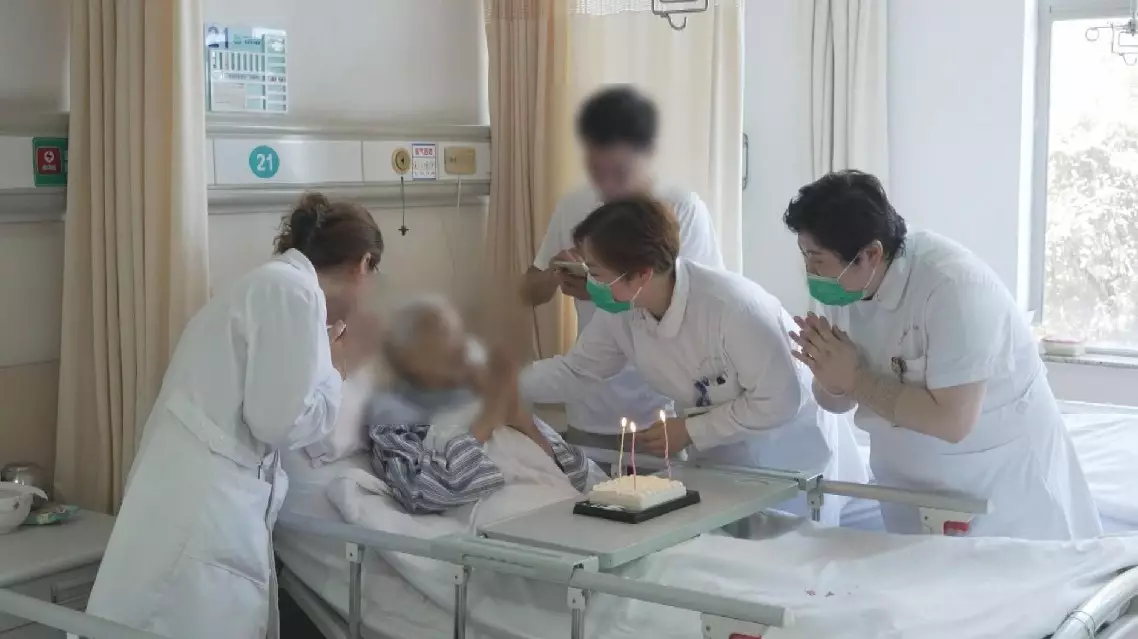
Wang, a 94-year-old patient with cerebral infarction, has received professional medical treatment and attentive emotional care in the hospice ward at the healthcare center of Changzheng Town Community in the district since mid-March this year.
"In terms of medical treatment, this center offers a whole set of professional programs that I find effective. Even if I could afford to hire a caregiver for my mom at home, she is not equipped with the right medical facilities and expertise as like here, and I still cannot help it and have to send her to the hospital. So I think the hospice care here is very desirable," said Wang's son.
The palliative care team at the healthcare center of Changzheng Town Community is made up of various professionals such as doctors, nurses, social workers, volunteers, and even psychological counselors. They can provide personalized services to patients in the late stages of serious illnesses where the chances of a cure are limited.
Over the past year, the community healthcare center saw a notable increase in admissions, with 268 patients against 150 the previous year. Patients can access medical services at affordable rates at the center.
"The daily treatment cost for each patient is about 400 yuan (about 57 U.S. dollars), with most of these expenses covered by medical insurance. Patients and their families only need to pay for caregiver services and meals as extra charges," said Hua Zhijia, deputy director of the community healthcare center.
Patients receiving palliative care within communities can be transferred to larger hospitals for advanced medical treatment if their condition deteriorates and becomes more complex, and they can return to community healthcare centers once their symptoms improve.
"Each year, there are usually 500 to 600 cases of patient referrals to larger hospitals or back to community centers, which means that about 50 to 60 patients require referral services each month," said Wu Ying, deputy director of Liqun Hospital in Putuo District.
Shanghai improves hospice care service system
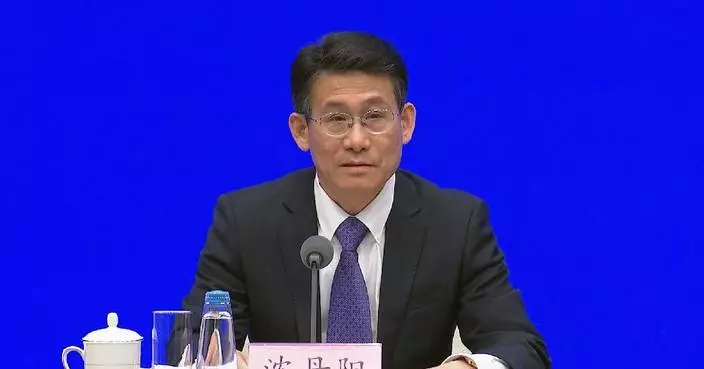
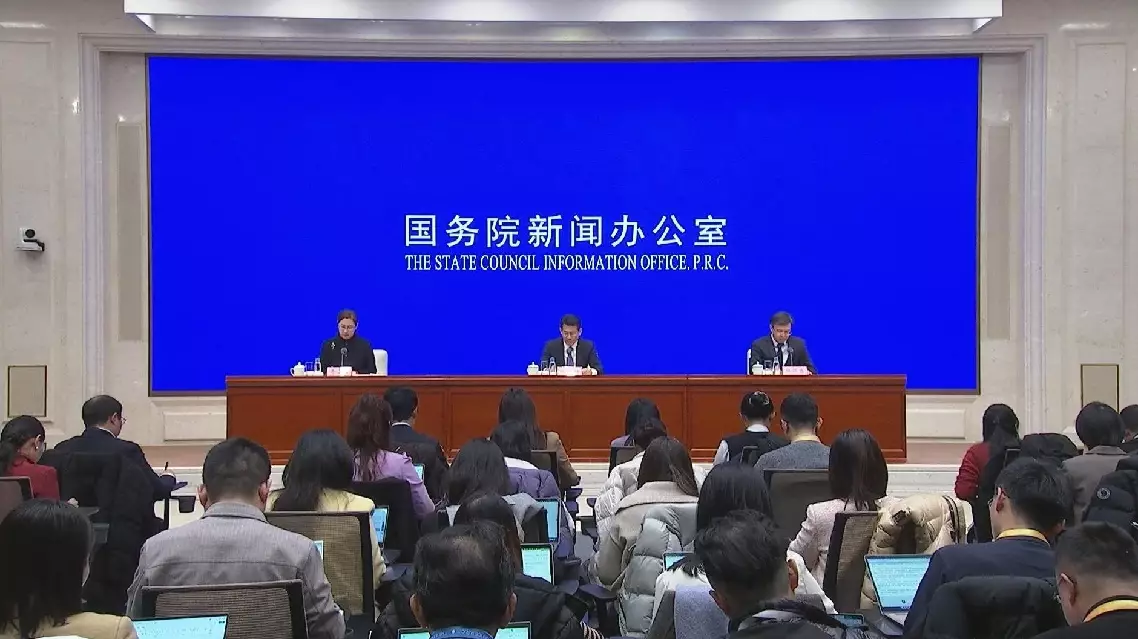
China will take more effective measures to improve people's wellbeing, especially in education, healthcare, and social security, an official said Thursday in Beijing at a press conference on the interpretation of this year's government work report, which was submitted to the national legislature for deliberation earlier in the day.
Shen Danyang, head of the government work report drafting team and director of the State Council Research Office, said centering on enhancing educational equity and quality, the report made arrangements for education at all educational stages and of all types.
"Regarding preschool education, the policy of free education in the year prior to entering primary school will continue to be implemented this year, which is commonly referred to as free admission to the senior class of kindergartens. So, how can the income reduction of kindergartens be addressed? Subsidies will be provided by both the central and local governments, with the central government taking the lion's share. This year, the funds allocated to support the development of preschool education will increase significantly by 37.8 percent to ensure the implementation of the beneficial policy," he said.
Regarding senior high school education, Shen said the report stated that the supply of regular senior high school places will be increased,
Specifically, for areas with a continuous net inflow of population, a number of regular high schools will be planned and constructed on an annual basis. For regions with a temporary shortage of school places, priority will be given to the renovation and expansion of existing teaching buildings, student dormitories and canteens, he said.
Shen said the report put forward many supportive measures in healthcare.
"For instance, it urged efforts to strengthen coordination in drug use at the grassroots level, which mean improving the list of essential drugs, and optimizing the channels for drug supply and drug use coordination between upper- and lower-level medical and health institutions to make it more convenient for the public to use drugs at their doorstep. Besides, the report has made arrangements for supporting the development of innovative drugs for the third consecutive year. This year, China will strengthen the coordination of supportive policies in an all-round way, further address issues such as the barriers facing innovative drugs entering hospitals, and better meet the diverse medical and medication needs of the people," he said.
In terms of social security, Shen said the report proposed to continue raising the minimum standard of basic pensions for urban and rural residents -- a policy will benefit over 180 million elderly people.
"The central government will allocate 1.25 trillion yuan (about 181.25 billion U.S. dollars) in subsidy funds to ensure the timely and full payment of pensions. In response to the insufficient protection of the rights and interests of people engaging in new occupations, the report proposed to steadily and orderly expand the scale of the pilot program for occupational injury insurance. This year, the policy will cover 31 provincial-level regions across the country and the Xinjiang Production and Construction Corps. Meanwhile, enterprises specializing in travel, instant delivery and intra-city freight delivery will be included in the pilot program, which will ensure the safety of more laborers, such as food delivery workers and online car-hailing drivers," he said.
China to improve people's wellbeing in education, healthcare, social security: official