Multiple factors, including seasonal reasons, imports and market competition, led to a year-on-year decline in China's producer price index (PPI) in the first nine months of this year, said an expert.
China's PPI, which measures costs for goods at the factory gate, went down 2.8 percent year on year in September, the National Bureau of Statistics said Sunday.
In the period from January to September, China's producer prices for industrial products decreased by 2.0 percent over the same period of last year.
Regarding specific industries, there are rises and falls in the prices due to multiple factors. Among them, the rise in international oil prices and copper and aluminum prices have led to an increase in the ex-factory prices of products in the oil and gas extraction industry and the non-ferrous metal industry.
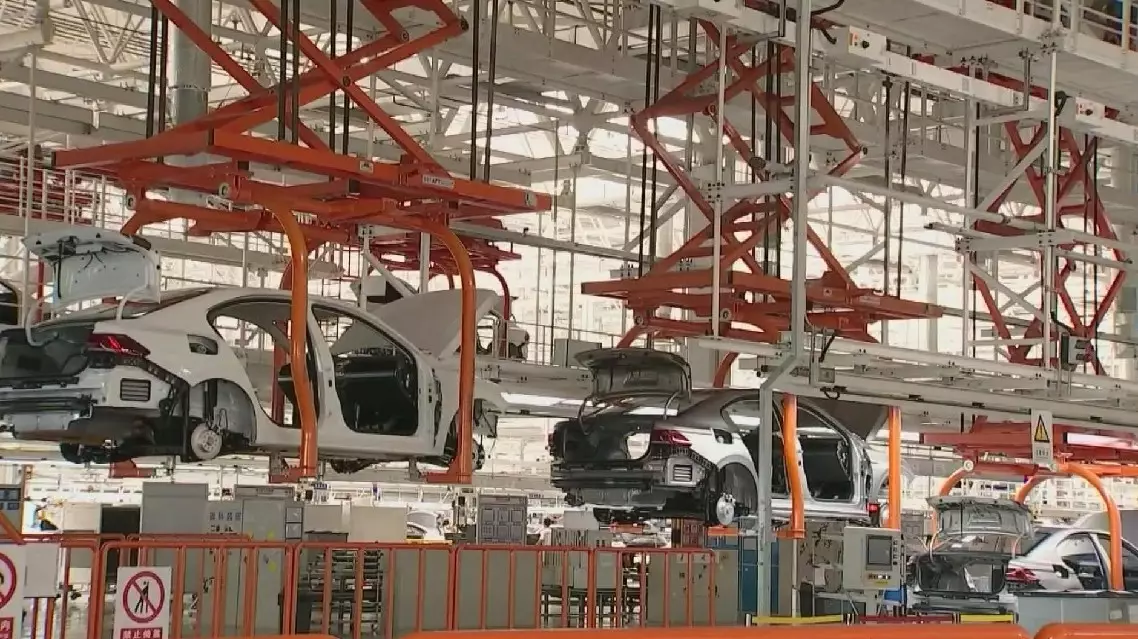
"From the perspective of factors leading to the decline, the supply of cement exceeds the demand, which drives the fall in the ex-factory prices of non-metallic mineral products; the decline in steel demand drives the fall in the ex-factory prices of products in the ferrous metal smelting and rolling processing industries. Affected by factors such as trade frictions and market competition, the ex-factory prices of products in industries such as electrical machinery, computer communications, and automobile manufacturing have fallen to varying degrees," said Zhang Xuewu, director of the Analysis and Forecasting Department of Price Monitoring Center of the commission.
On a monthly basis, the PPI edged down 0.6 percent in September, a narrower decline compared to the previous month, affected by factors such as fluctuations in international commodity prices and insufficient effective demand in the domestic market.
Multiple factors lead to year-on-year decline in China's PPI: expert