The 8th Sino-German Automotive Conference opened Tuesday in Munich,Germany, with the discussion on European Union's additional tariffs on Chinese EV at the top of agenda.
This year's conference is running under the theme "Carbon neutrality and mobility of the future".
The event comes amid rising concerns among German automotive manufacturers and suppliers following the European Commission's decision to slap duties of up to 35 percent on imported Chinese-made electric vehicles.
Having invested billions of dollars in China, German automotive manufacturers and suppliers have criticized the tariffs and their potential impact on the global automotive industry.
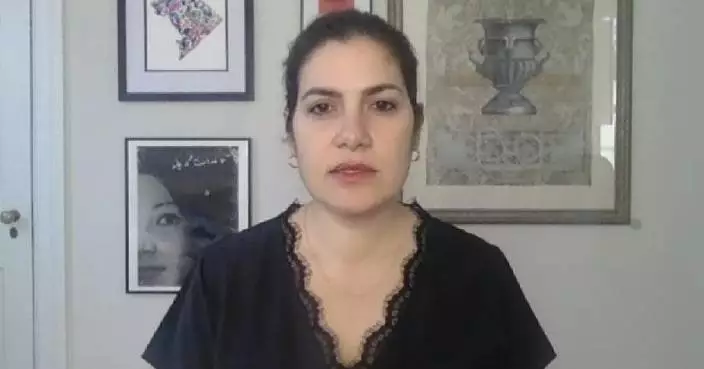
"Germany has so much business in China for the last decades and now China is moving forward, becoming a technology leader in many fields. The main message or take away is always cooperation instead of confrontation, that is relatively clear. You can see nobody likes the tariffs," said Matthias Muller, the founder of MM China Link.
"It's a sad story for both sides. I don't believe it's only for China; the European consumer cannot get a cheaper car," said Yang Chengzhu, the Vice President of Continental AG China.
"In some cases, some circumstances, tariffs are reasonable if you have a really weak economy and need to protect the internal market from too much influence from outside, but this is not the case in Germany," said Tilo Steinmeier,the Managing Director of C4 Laser Technology.
Attendees of the conference are also discussing how Chinese EVs can help the European Union achieve its green goals, transitioning from internal combustion engines by 2035.

EU tariffs on Chinese EVs top agenda at Sino-German Automotive Conference
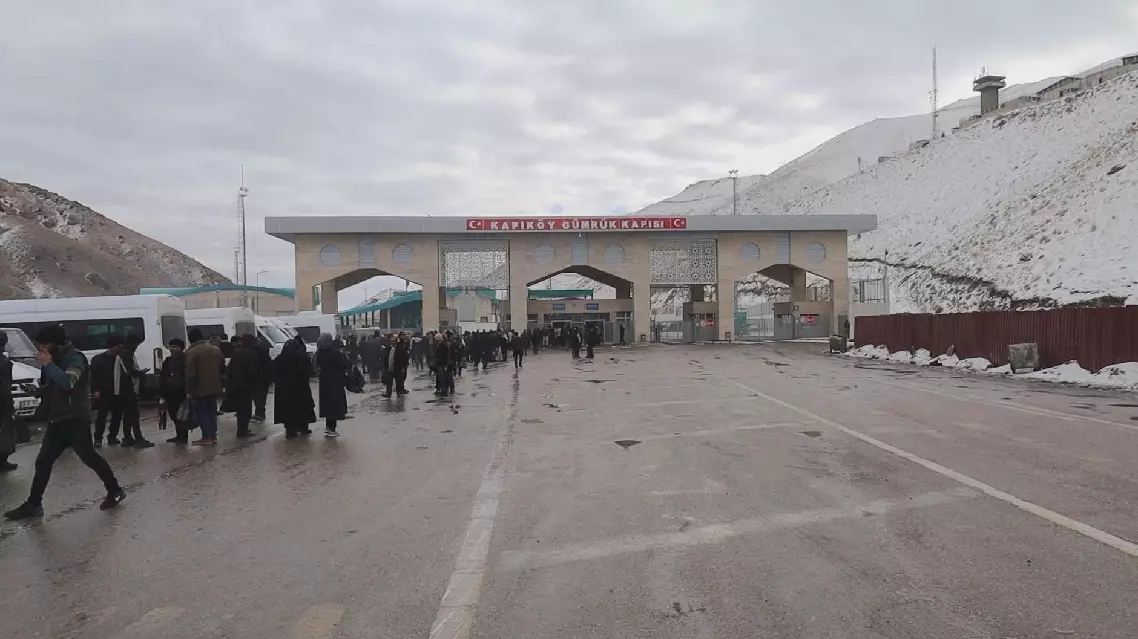
Some Iranians in Türkiye are crossing back over the border, driven by worry and desperation, as a nationwide communications blackout in Iran has left them cut off from their loved ones.
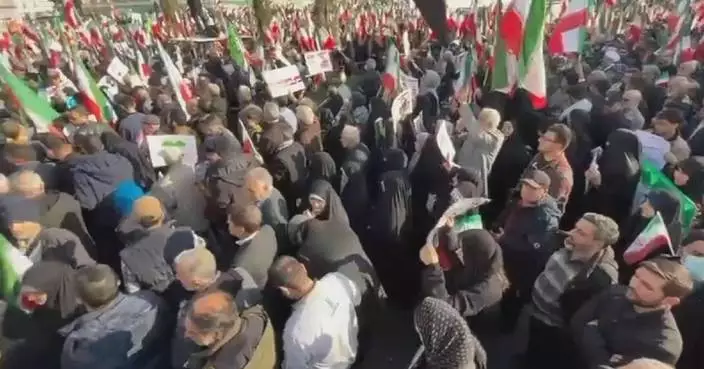
Protests have erupted in many Iranian cities since Dec. 28. They initially began with Tehran bazaar merchants demonstrating against the sharp devaluation of the national currency rial, and soaring inflation, before spreading to other cities. The unrest has led to casualties among both security forces and civilians.
At the Turkish-Iranian border, many are returning with no certainty about what awaits them, filled instead with questions and growing fear for those on the other side of the border.
"I went to Van yesterday for internet. I urgently needed to use the internet. I got it done. Now I'm heading straight back. There are protests everywhere. We can't get any news. We can't communicate with our families. And it's not just me, there are many Iranians outside the country who can't reach their families," said Feriste, an Iranian citizen.
With communications blacked out across Iran, those outside the country feel powerless to check on the situation back home. For some, this silence has prompted them to return across the border, even as tensions continue to rise.
"We can't get any news. There is no internet. Everything is shut down. I want to search. I want to find out. I want to see my brother. I'm going to see my family," said Husnu, an Iranian citizen.
"I work in Türkiye, and I have no news from Iran at all. I'm going back because I'm worried about my family. It's been days since I last heard from them, and because I'm worried, I'm returning to Iran now. Of course, we are concerned about our safety. We don't know what awaits us there," said another Iranian.
With protests escalating and government blackouts still in place, many Iranians are caught between staying in safety abroad and risking everything to reconnect with their families.
"We had to come to Türkiye because we couldn't reach our families. Schools were closed already. All official institutions were shut down. We have no information about other cities either, because there is no communication network there. There is no television, no internet. We can't even check Twitter," said Nazlican, another Iranian citizen.
Iranians in Türkiye return home, fearing for their families amid unrest in Iran
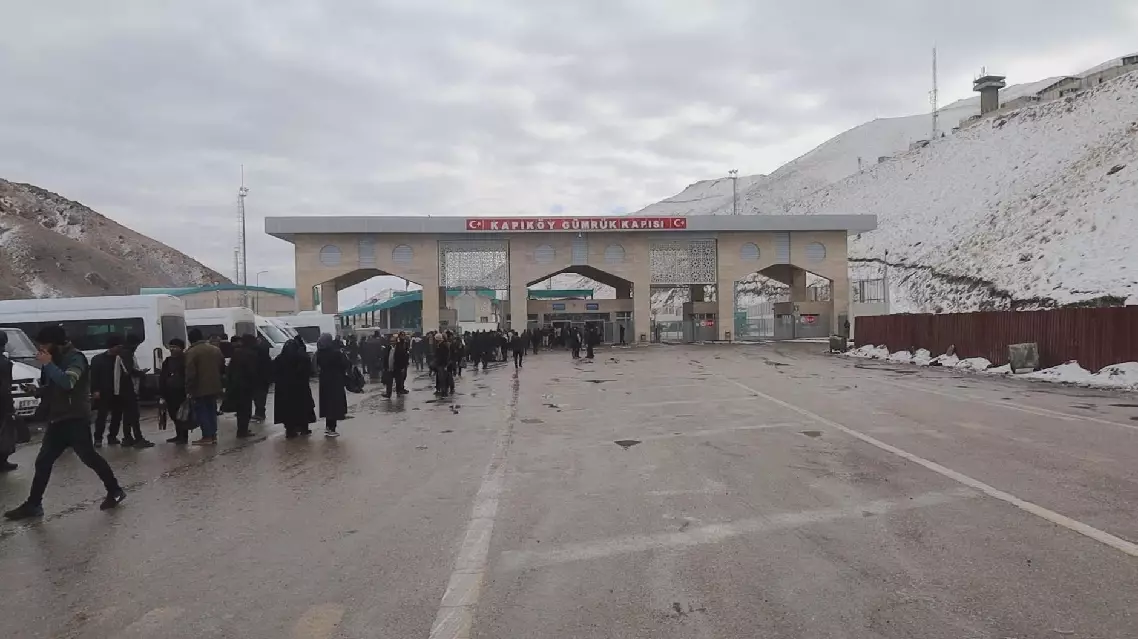
Iranians in Türkiye return home, fearing for their families amid unrest in Iran