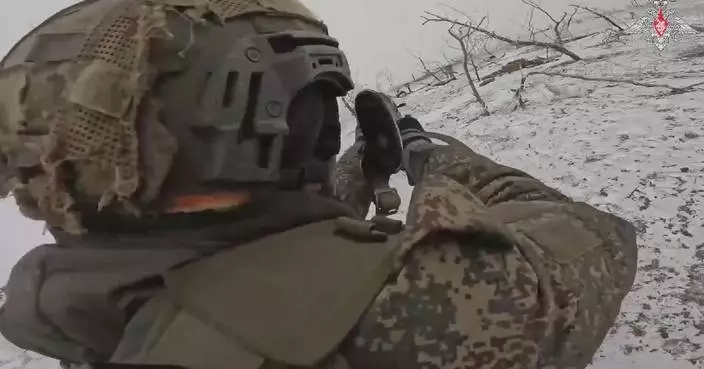
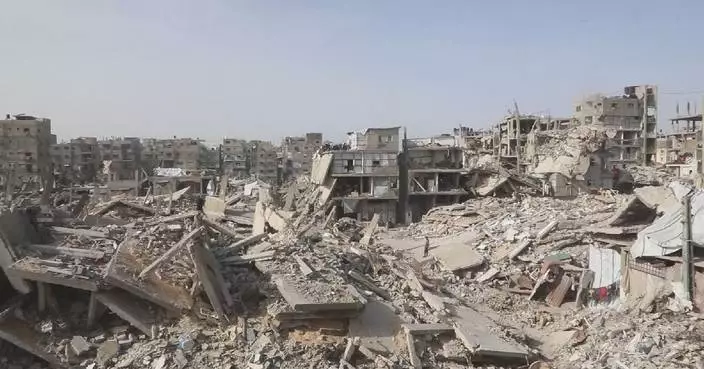
Russia said on Wednesday that its forces had taken control of more settlements in the Donetsk and Lugansk regions in eastern Ukraine, while Ukraine, on the same day, reported intense fighting on the frontlines over the past 24 hours, according to the latest reports on the Russian-Ukraine conflict which broke out in February 2022.
The Russian Ministry of Defense said the Russian forces have taken control of the settlement of Krasny Yar in the Donetsk region and the settlement of Nevskoye in the Lugansk region.
In the past day, Russian troops attacked Ukrainian forces and their equipment in 138 areas, and Russian air defense forces intercepted three American-made HIMARS rockets and 56 drones belonging to the Ukrainian army, the Russian ministry reported.
Meanwhile, the General Staff of the Ukrainian Armed Forces stated that the situation in the Kharkov region in northeastern Ukraine has been brought under control after Russian troops attacked a Ukrainian position, while battles with Russian troops in the Kupyansk and Pokrovsk directions in eastern Ukraine are still going on.
Besides, the Ukrainian army shot down 17 Russian attack drones, it said.
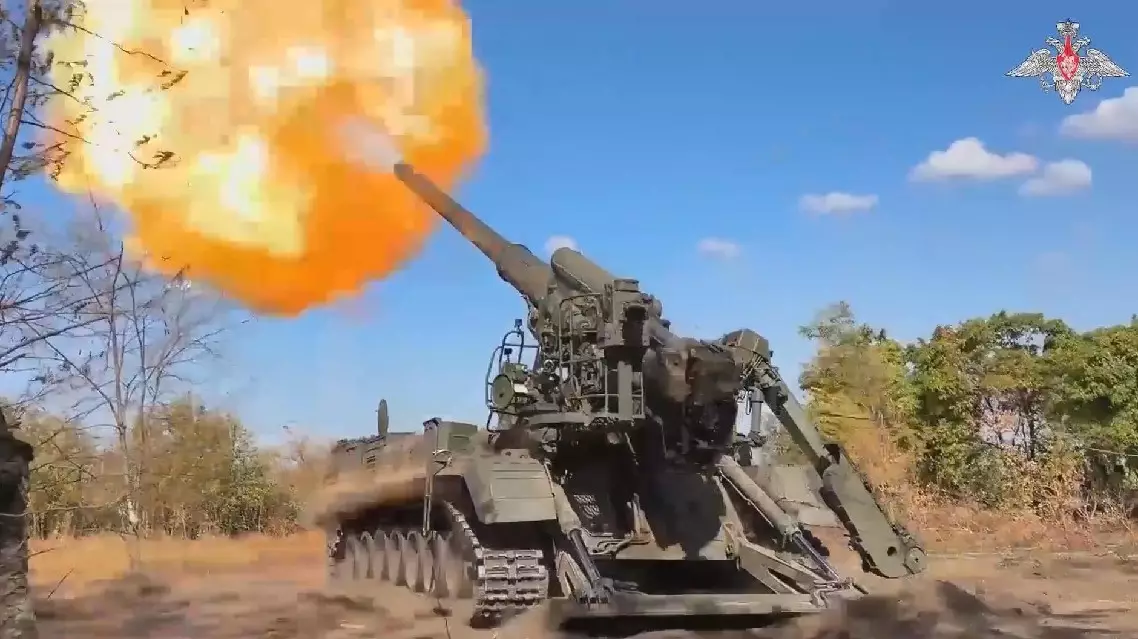
Russia claims control of settlements, Ukraine reports intense fighting on frontlines
Iranian President Masoud Pezeshkian said on Saturday that the nation will not yield to external pressure as U.S. President Donald Trump considers limited military strikes to influence the ongoing nuclear talks with the Islamic republic.
Pezeshkian said that despite the problems and harm caused by the enemy, the Iranian people will never yield to the enemy's bullying and coercion, noting that facing difficulties, Iran is determined to overcome challenges and defend national dignity.
Iran's stance comes as Trump confirmed on Friday that he is weighing "preliminary limited military strikes" to force Iran to accept U.S. demands regarding a nuclear agreement.
Also on Saturday, the Iranian Foreign Ministry officially labeled the naval and air forces of all European Union states as "terrorist organizations". The move is a response to the EU's recent decision to list Iran's Islamic Revolution Guards Corps as a "terrorist organization".
Iranian political analysts say the continued pressure and military buildup of the United States in the Middle East during the nuclear negotiations suggest that the U.S. negotiation strategy may be aimed at securing domestic support in the U.S. rather than truly resolving disputes.
Iranian political analyst Foad Izadi noted that history shows the U.S. is rarely sincere in seeking a negotiated resolution. A successful negotiation would require the United States to make concessions, which would give Iran breathing room to recuperate. He argues that the U.S. goal is to overthrow the Iranian regime, so there is no reason to create such space for Iran’s development. Izadi said he believes the U.S. participates in talks only to shore up domestic support. Although the U.S. Congress is divided on Iran, Trump can claim "the U.S. tried negotiations but failed" to build the political backing needed for military action.
Similarly, another Iranian analyst said that the current U.S. strategy typically involves creating an initial sense of optimism before gradually escalating demands and setting strict deadlines. The analyst described this pattern as a signature tactic designed to force Iran into a corner where it must either accept unfavorable terms or face the threat of conflict. This pattern has effectively become a standard tactic used by the United States, especially the Trump administration, in handling international and regional issues.
Recent statements and actions of Iran indicate that while Iran has not abandoned diplomacy as a means of resolving differences, it is also maintaining military preparedness. Analysts warn that as the Iran-U.S. military standoff persists, alongside the involvement of Israel, the risk of conflict and war in the Middle East remains elevated.
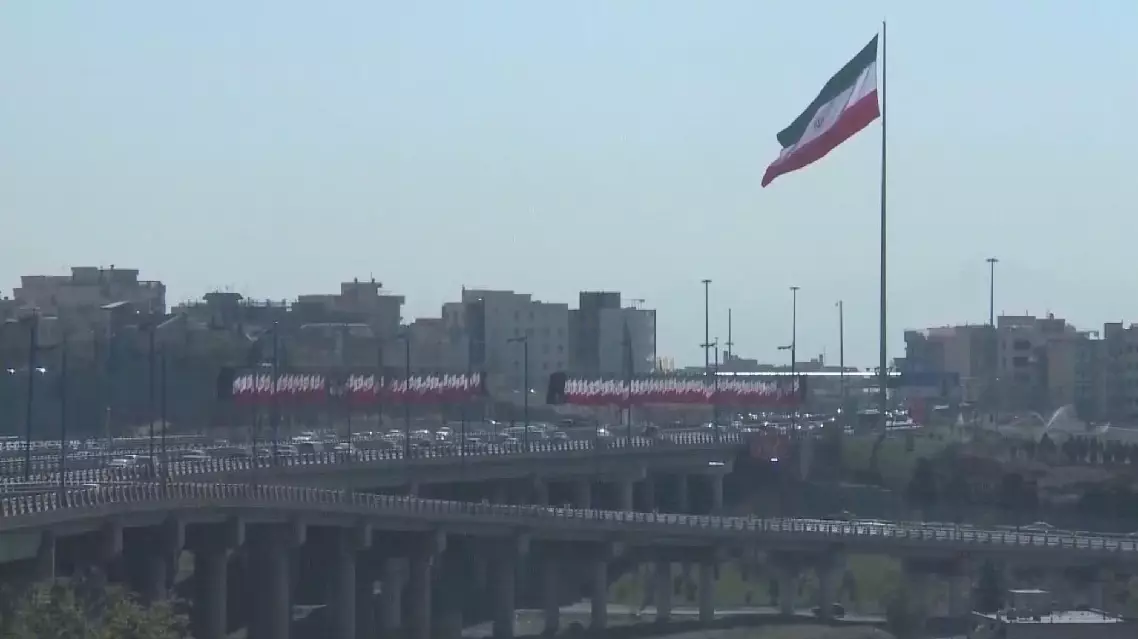
Iran stands firm against U.S. military pressure amid nuclear talks: president