The Japan Mobility Show, one of the world's major auto exhibitions, showcased a strong presence of startups, attracting interest from established automakers eager to collaborate on future developments in renewable energy, artificial intelligence, and autonomous driving.
Formerly known as the Tokyo Motor Show, the event has a history of 70 years.
This year's edition, running from Tuesday to Friday, drew over 200 companies with more than 70 percent being startups, marking a significant shift in focus from traditional automotive displays to a broader range of mobility solutions.
For example, a highlight of the Japanese automaker Toyota's exhibit was a hydrogen fuel tank, which not only powers hydrogen fuel cell vehicles but also serves domestic power needs and cooking applications.
"There's vast potential for hydrogen fuel, including in stoves. We aim to collaborate with startups to explore various applications of hydrogen, fostering a better hydrogen society," said Tadashi Nakamura, chief of Toyota's hydrogen product development department.
"The mobility device displayed at this show integrate augmented reality technology, offering users a fresh experience," said Shinitirou Kobashi, chief engineer of advanced robotics of the Honda research and development.
Honda hopes to conduct exchanges and cooperation with startups engaged in the technologies, he added.
Many exhibitors also explored aerial mobility solutions. IWAYA INC., a company focused on high-altitude travel via balloons, plans to launch an aerial travel project. The team has successfully achieved crewed flights to a height of 20,816 meters using their proprietary helium balloons and resin capsules, with commercial flights expected as early as next year.
"Our development capabilities are limited standing alone. We hope to join forces with auto and materials firms to enhance product and service quality," said Kazuki Yamamoto, executive officer of the company.
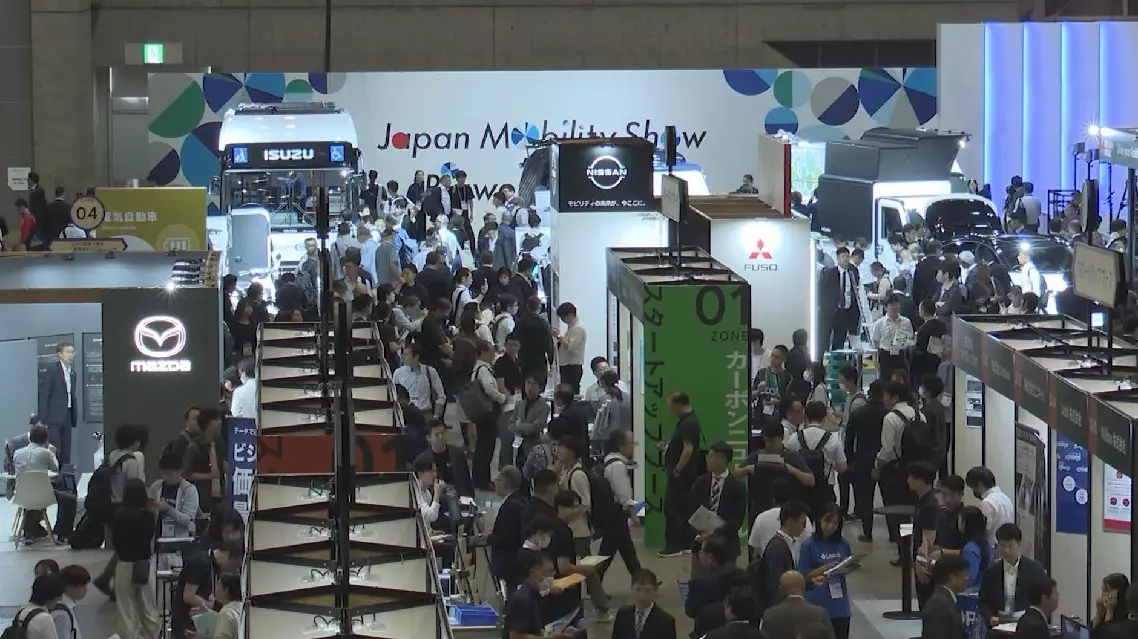
Japan's mobility show shining with sophisticated solutions, scenarios
China's southernmost city Sansha has steadily advanced coordinated efforts to protect and restore its marine and island ecosystems during the 14th Five-Year Plan period (2021-2025), encompassing scientific expertise and an active system of volunteers.
The island city saw better air quality during the period, while its coral reef and island ecosystems continued to improve.
A comprehensive system for waste sorting and resource utilization has been established, with recyclables transported off the islands and reefs for centralized processing.
Garden and kitchen waste are treated and reused to support local greening. Regular cleaning of marine debris is carried out, and the ban on single-use plastics is strictly enforced.
Source control for items brought onto the islands has also been strengthened in collaboration with joint law enforcement, and biodegradable products are widely promoted across the city to safeguard ecological security in remote seas.
"As volunteers in Sansha, we take part in regular marine clean ups, conscientiously follow plastic ban regulations, proactively sort garbage, and adopt a green and low-carbon lifestyle. Starting with ourselves, we work to reduce pollution in the ocean and on the islands and reefs, taking concrete actions to protect every stretch of blue sea and every beautiful island and reef," said Shen Dongshuai, an environmental protection volunteer.
By overcoming technical challenges in planting on coral sand, Sansha has vigorously promoted island and reef greening. The vegetation coverage on Xishazhou Island has increased to over 90 percent. The city's Zhaoshu Island has been recognized as a national-level "Harmonious and Beautiful Island," and rare bird species, such as the red-footed booby, have returned to inhabit the area.
Continuous efforts in coral reef restoration have established the largest coral-planting demonstration base on the Xisha Islands, with a cumulative restoration area of approximately 300,000 square meters, bringing vitality back to the seabed ecosystem.
"We have planted 240,000 corals in the Xisha Islands, establishing the largest coral planting demonstration base in the area. This has not only restored the ecological environment of sea turtle habitats but also protected the foundation of the islands and reefs," said Li Yupei, director general of the Sansha Marine Reserve Administration.
Efforts to protect sea turtles and restore their habitats have been strengthened through monitoring and conservation, resulting in a significant increase in the number of sea turtles that spawn.
Li said his organization monitored and protected 346 sea turtle nests on the main nesting islands and reefs in Sansha and rescued 868 turtles.
Regular fishery resource enhancement releases, including the introduction of sea cucumber juveniles and commercial fish fry, have effectively restored fishery resources and maintained the balance of the coral reef ecosystem.
At the same time, Sansha manages its seas in accordance with the law and coordinates marine protection efforts.
High-standard ecological protection and monitoring are being advanced in the Huangyan Dao area with the establishment of a national nature reserve.
Measures such as summer fishing moratoriums, maritime patrols, and law enforcement have been strengthened to crack down on illegal fishing and activities that damage the marine environment.
Standing at the new starting point of the "15th Five-Year Plan," Sansha will continue to deepen integrated island and reef environmental management and ecosystem protection and restoration.
The city also plans to improve long-term governance mechanisms and continuously enhance ecological security guarantees, making greater contributions to building a strong maritime environment in the South China Sea.
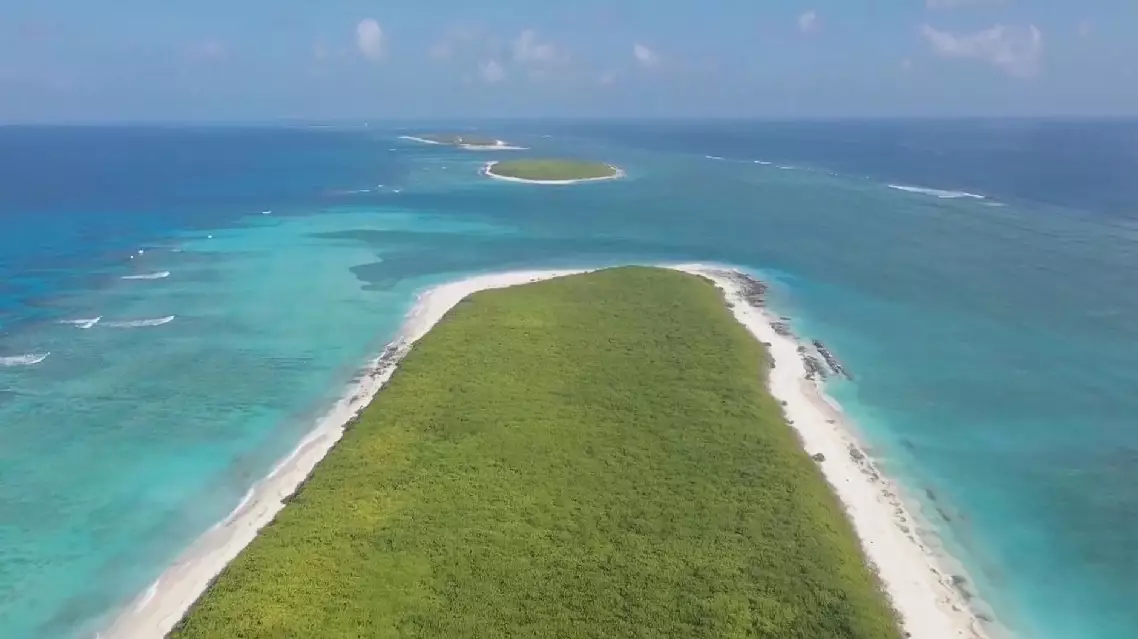
Conservation efforts in Sansha restore thriving local ecosystems