China is deeply involved in global intellectual property (IP) governance and playing a growing role in balanced protection and innovative development of global IP rights, according to intellectual property and patent lawyers participating in the 2024 International Association for the Protection of Intellectual Property (AIPPI) World Congress.
Themed "balanced protection and innovative development of IP rights", the 2024 AIPPI World Congress is taking place from Saturday to Tuesday in Hangzhou, east China's Zhejiang Province. This marks China's first hosting of the event, drawing participants from 92 countries and regions.
"There's a huge amount of patent applications in China, very innovative, very tech driven, tech focused, huge market internationally. So, it's already big and is going to get bigger on the international scene," said Hugh Reeves, a Swiss IP lawyer.
Participants believe that an increasing number of countries are emphasizing innovation and IP to propel development and create opportunities. They also noted that China attaches great importance to IP protection and plays a pivotal role with its ideas and solutions in balanced protection of global IP rights.
"I think it's very significant, China is a huge source of intellectual property. Lots of inventions, lots of patents, lots of brands are coming out of China now. In the UK, we have all these companies that are coming from China," said Oliver Pooley, a British patent lawyer.
"China has signed different agreements, worldwide agreements and international treaties in order to protect IP rights, not only the domestic IP rights, but also the foreigners' IP rights. They have strengthened the law, regarding infringement in patents and in trademarks too. The legal environment in China is very updated now," said Juan Carlos Cuesta, a Colombian patent lawyer.
Co-organized by the China Council for the Promotion of International Trade and the AIPPI, the event will center on deliberating draft resolutions on various IP topics. These resolutions, after extensive discussion and voting, will emerge as the key outcomes of the event, propelling the advancement of the global IP governance system.
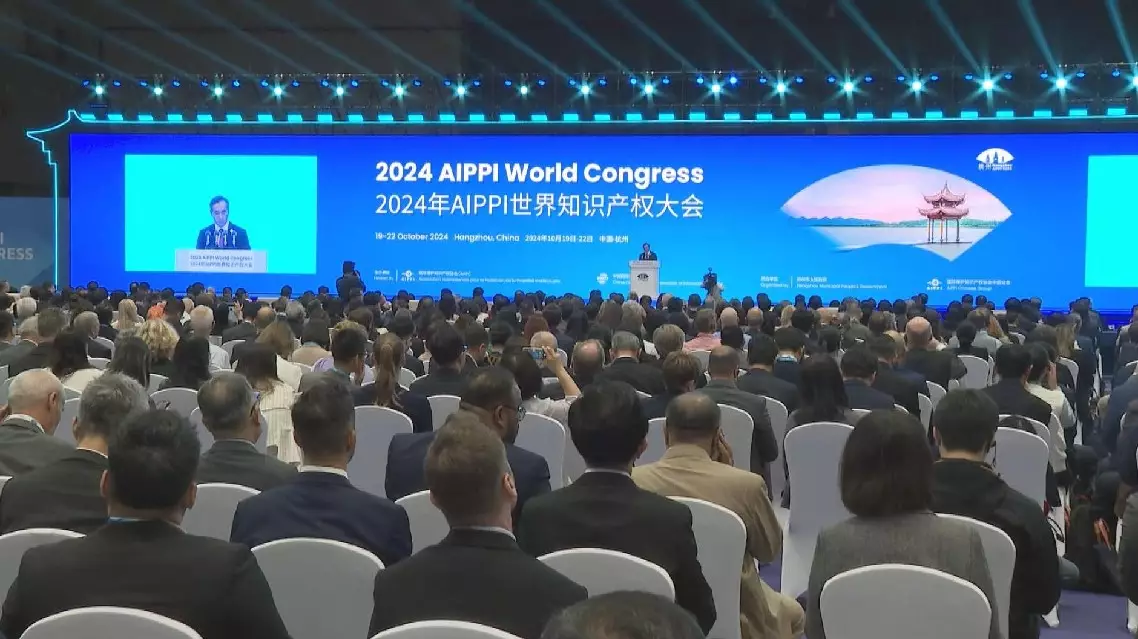
Experts laud China's deepening engagement, growing role in global IP governance
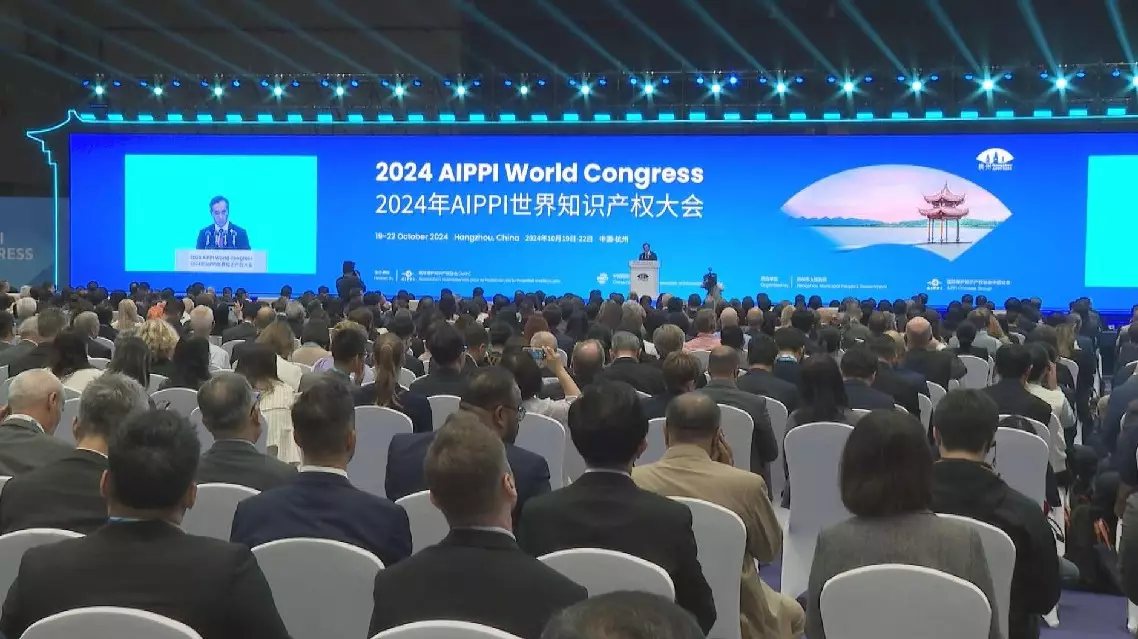
Experts laud China's deepening engagement, growing role in global IP governance
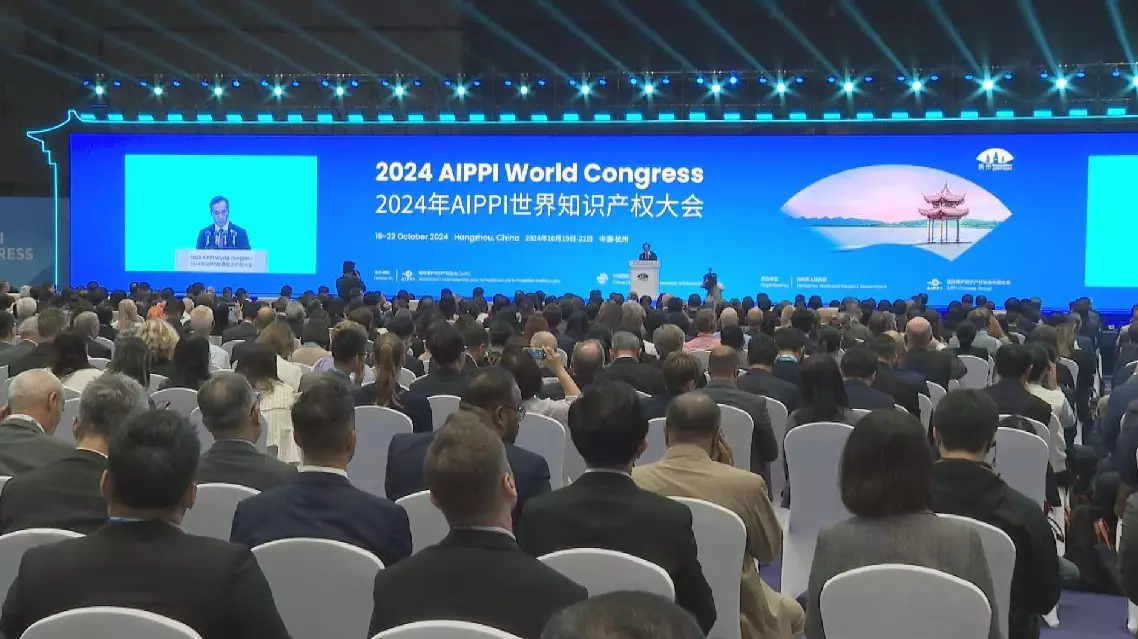
Experts laud China's deepening engagement, growing role in global IP governance
European countries and international organizations have widely condemned Israeli air strikes on Lebanon which have resulted in more than 1,000 civilian casualties, including children, and have caused damage to civilian infrastructure.
Israel launched large-scale air raids across Lebanon on Wednesday, saying it had carried out 100 strikes within a matter of minutes on positions they claimed belonged to the Hezbollah group.
Lebanon's Ministry of Public Health reported more than 300 had been killed in the attacks, with roughly 1,150 wounded.
The attacks came after a two-week ceasefire agreement was reached by the United States and Iran. However, both Israel and the United States have maintained Lebanon is not included in the truce.
Spanish Foreign Minister Jose Manuel Albares on Thursday accused Israel of violating international law to carry out the air strikes on Lebanon, calling the attacks "a shame on the conscience of all humanity".
Earlier on Thursday, Albares announced that Spain would reopen its embassy in Tehran in the hope of achieving peace in the region.
Italian Prime Minister Giorgia Meloni said that Israel had "disrespected" the two-week ceasefire with Iran by carrying out the strikes.
Meloni also warned of further economic turmoil if U.S.-Israeli strikes on Iran flare up again, and said the European Union should consider a temporary suspension of the Stability and Growth Pact, an agreement which ensures economic stability within the European Union, in order to handle the potential monetary consequences.
Meanwhile, German Chancellor Friedrich Merz on Thursday warned that Israel's military operations in Lebanon could cause the entire peace process as a whole to fail, telling a press conference in Berlin "that must not happen."
Merz announced that the German government will resume direct talks with Iran in order to support the newly agreed two-week ceasefire between Washington and Tehran.
He also stated that a window of opportunity for a negotiated solution has opened for the first time since the outbreak of the conflict, though he cautioned that the situation in the Middle East remains "fragile."
The UK's Foreign Secretary Yvette Cooper said on Thursday that she is "deeply troubled" by Israel's escalating attacks on Lebanon, expressing hope that Lebanon will be included in the current ceasefire arrangement.
Cooper also reiterated the importance of reopening the Strait of Hormuz, saying that the effective closure of the vital shipping chokepoint had been "deeply damaging for the world", while stressing how crucial the passageway is to the entire global economy.
French Foreign Minister Jean-Noel Barrot described the Israeli strikes on Lebanon as "intolerable."
In a radio interview, Barrot said France strongly condemns "the massive strikes" which seriously undermine the temporary ceasefire reached earlier between the United States and Iran. The European Union's foreign policy chief Kaja Kallas said Thursday that Israel's latest strikes on Lebanon, which killed hundreds overnight, could not be considered as an act of self-defense.
"Israel's right to defend itself does not justify inflicting such massive destruction," Kallas said in a post on the social media platform X. She warned that the strikes risk further destabilizing the region and added that Israel's actions were putting the U.S.-Iran ceasefire under severe strain.
Despite this widespread criticism, Israeli Prime Minister Benjamin Netanyahu insisted on Thursday there would be no ceasefire in Lebanon, signaling that Israel will continue its military operations while pursuing planned negotiations with Beirut.
"There is no ceasefire in Lebanon," Netanyahu said in a video address to residents of northern Israel, adding: "We continue to strike Hezbollah with force and we will not stop until we restore your security."
Netanyahu said he had instructed his cabinet to open direct talks with Lebanon following what he described as repeated requests from the Lebanese government.
The negotiations, which are expected to begin next week in Washington, aim to disarm Hezbollah and reach a "historic and lasting" peace agreement, Netanyahu added. Delegations will be led by the Lebanese and Israeli ambassadors to the United States.
Israel and Lebanon have no formal diplomatic relations and technically remain in a state of war.
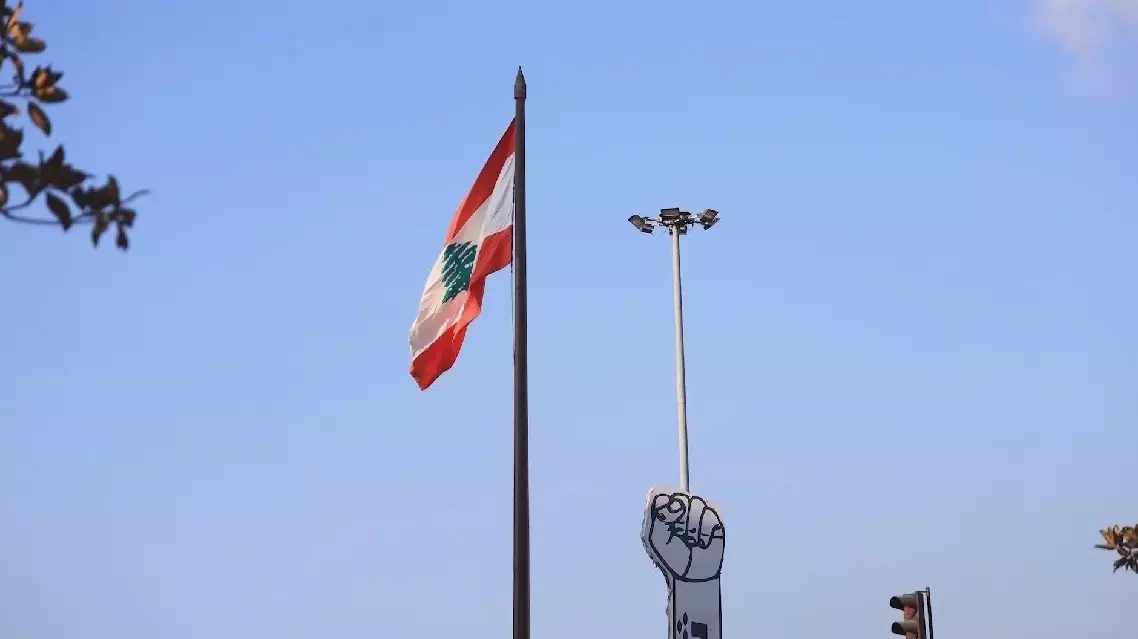
European Leaders widely condemn Israeli attacks on Lebanon