German Chancellor Olaf Scholz on Monday spoke out against the additional tariffs imposed by the European Union (EU) on Chinese electric vehicles (EVs), underscoring that "protectionism and trade wars are detrimental to us."
Speaking at the opening of the new Mercedes-Benz battery recycling factory in Kuppenheim, a city in the southwestern German state of Baden-Wuerttemberg, Scholz noted that electrification is the future development trend of the auto industry, and that the EV technology is currently being developed all over the world.
He highly commented on China's excellent performance in the EV field, and reiterated Germany's opposition to imposing tariffs on electric cars imported from China.
"I have stated publicly and I would like to reaffirm hereby that I am against tariffs that would hurt ourselves. Protectionism and trade wars are detrimental to Germany. As an exporting country, we value open trade with the whole world. And that's why we don't need the best tariffs, but the best cars and the best technology," said Scholz in the speech.
On Oct 4, representatives from EU member states voted to approve the final ruling on the EU anti-subsidy case presented by the European Commission -- the executive arm of the 27-nation EU, which proposes the imposition of anti-subsidy duties on EVs imported from China.
After that, the German government and many German car companies expressed strong opposition to it. Scholz has repeatedly criticized publicly that erecting trade barriers does not keep European companies competitive.
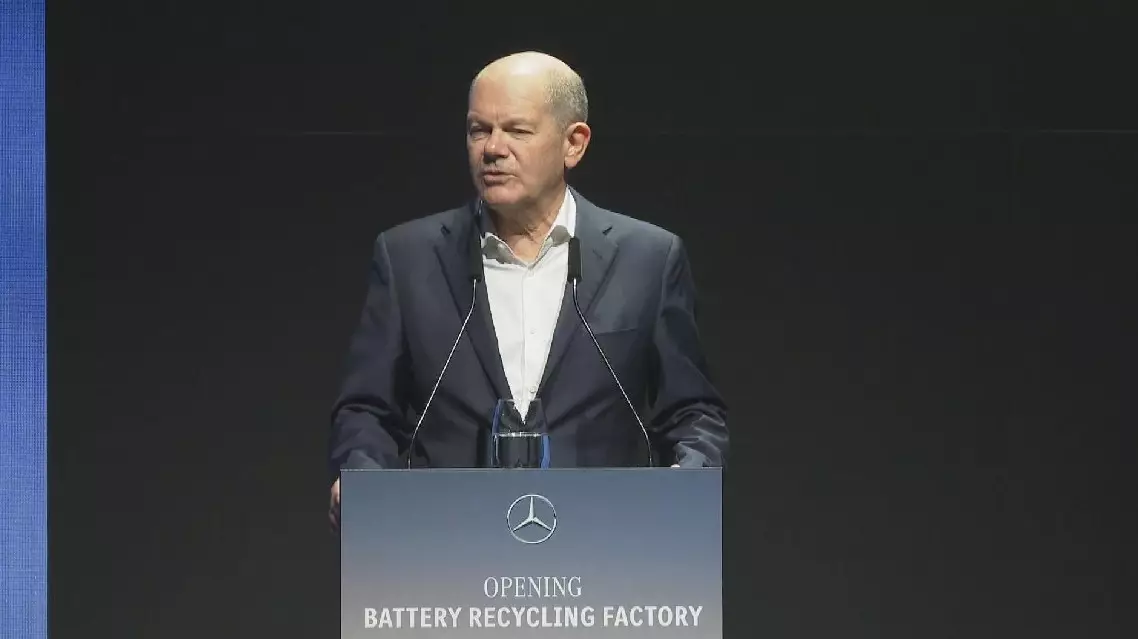
German Chancellor speaks out against EU tariffs on Chinese EVs
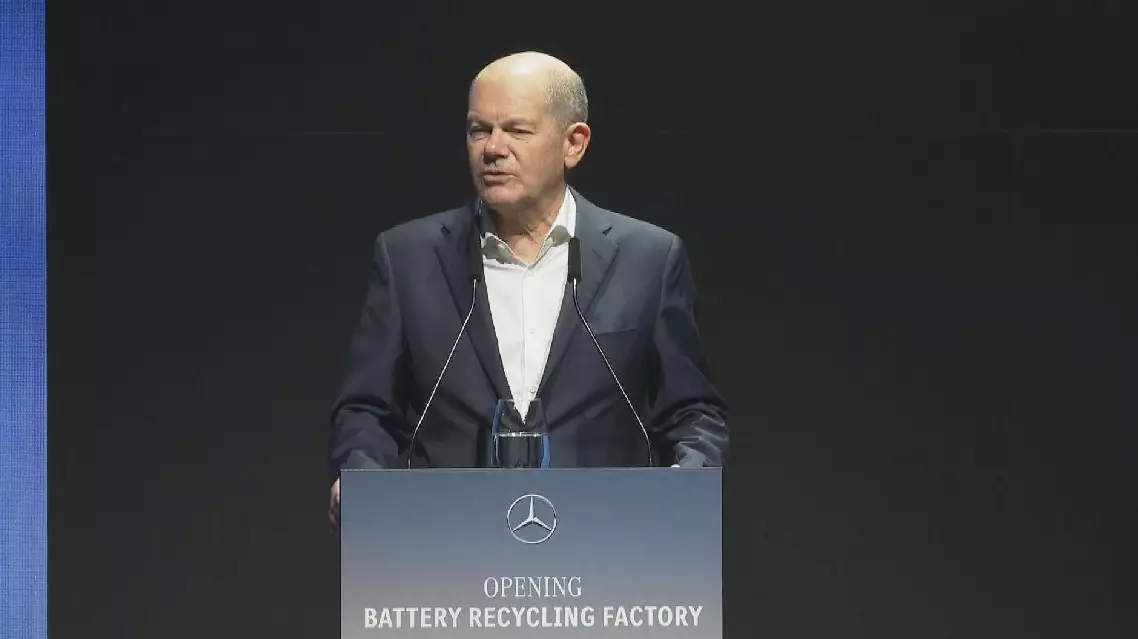
German Chancellor speaks out against EU tariffs on Chinese EVs
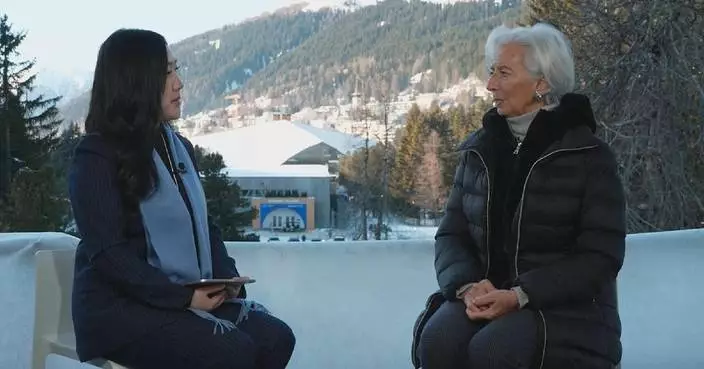
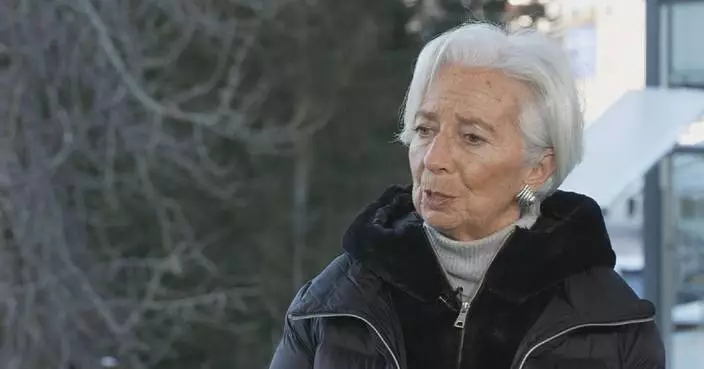
Reliance on the rule of law remains the key strength of the euro as the currency faces up to the impact of the "fragmentation" of the global economy that is affecting investors' confidence, European Central Bank President Christine Lagarde said on Wednesday.
Lagarde was speaking in an exclusive interview with the China Global Television Network (CGTN) on the sidelines of the ongoing 2026 annual meeting of the World Economic Forum (WEF) in the Swiss Alpine town of Davos, where world leaders and experts have gathered to discuss the pressing issues facing the global economy.
As the world economy has faced a series of shocks from the impact of tariffs imposed by the U.S. and a number of geopolitical flashpoints that have further strained global markets, Lagarde expressed her concerns about the risks posed from what she described as the increasing "fragmentation" of the international system which is drifting away from globalization.
"I think I would more likely use the word 'fragmentation' of the world economy as we have seen it for many decades, with international institutions that support and advocate for multilateralism and international cooperation. And we are now seeing a fragmentation of that order, fragmentation of the relationships. Challenges raised here and there, which obviously have an impact on the confidence of investors and the appetite for financing or holding," said the ECB chief.
Despite this difficult backdrop, Lagarde noted that the euro remains a strong currency, currently accounting for around 20 percent of global foreign exchange reserves, ranking it behind only the U.S. dollar.
Given how the euro serves as the official currency in more than 20 European Union member states, Lagarde highlighted how compliance with the rule of law is what contributes significantly to its strength, emphasizing that adherence to legal frameworks fosters a stable and predictable economic environment.
"That probably is strengthening the confidence in the euro, which is obviously based on the rule of law, on the compliance with our treaties, on the independence of the central bank, the European Central Bank, which is guaranteed in the treaty. That's what I mean: an independent central bank that does its job to control inflation and that is not being guided or told by the fiscal authorities what to do, but simply guided by its mandate. Those are clear strengths of Europe and of the euro," she said.
She stressed the role of the ECB and its commitment to maintaining monetary stability, ensuring that the euro remains a robust and trusted currency in the global market.
"A lot relies on a central bank to deliver on price stability, and we will do that and continue to do that. A lot depends, also, on the fundamentals of the economy. A lot depends on the international status of those economies, including international trade agreements, as I said, reliance on the rule of law, its capacity to defend itself, which is something that the Europeans are working on and will continue to work on. So, a currency is not just an isolated element; it relies on pillars that need to be addressed altogether," said Lagarde.
Under the theme "A Spirit of Dialogue," the five-day 2026 WEF is running in Davos through Friday. About 3,000 leaders and experts from around the world are gathering to discuss five pressing global challenges, including enhancing cooperation, unlocking new sources of growth and deploying innovation at scale and responsibly.
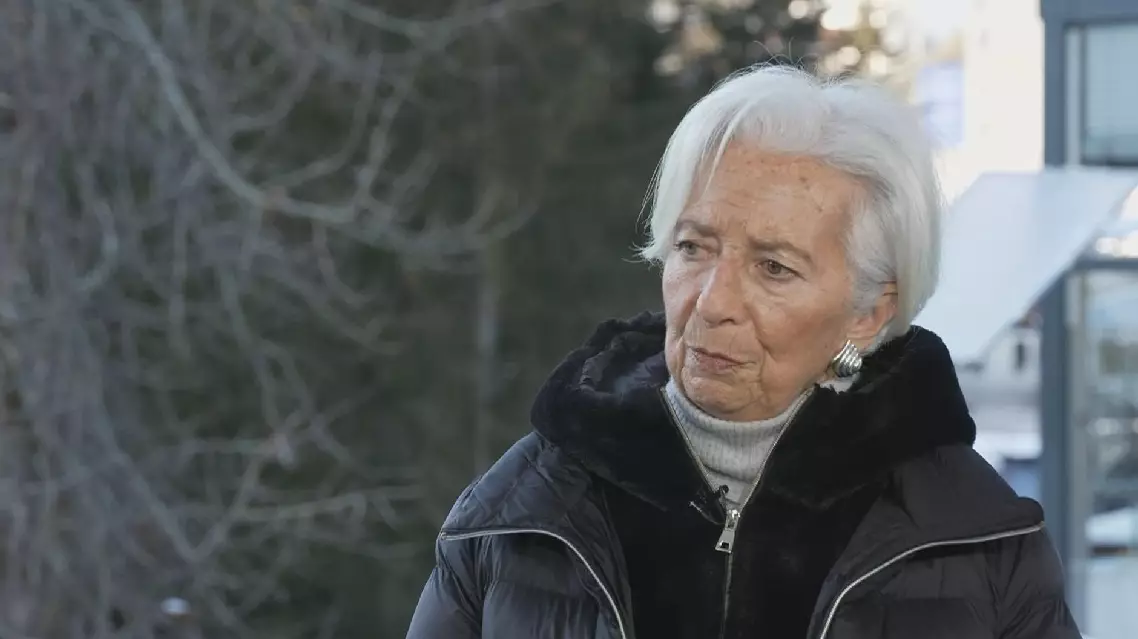
ECB president expresses confidence in euro amid "fragmentation" of global economy