The residents living close to U.S. military bases in Japan have expressed their health concern over the toxic chemicals found in the water stemming from leaks of contaminants from the bases and criticized the government's non-action to their petitions for an probe.
Perfluoroalkyl and polyfluoroalkyl substances (PFAS) synthetic chemicals have been found in rivers and wells across Japan, posing a health threat to hundreds of thousands of residents as the chemicals are linked to cancer and other health problems. The chemicals are also called "forever chemicals" because they do not fully degrade and can accumulate in the human body and the environment.
PFAS contamination first came to light in Okinawa in January 2016 when the Okinawa prefectural government announced the results of its study of rivers and water treatment plants around the U.S. Kadena Air Base.
The U.S. military bases that have routinely used firefighting foam are thought to be a key source of PFAS contamination.
A water quality survey in Tokyo Prefecture also found that PFAS levels in tap water have exceeded the temporary standards for many years. PFAS levels in blood tests for residents in Tokyo's Tama District are shockingly above the national average, according to Japanese scholars and medical groups.
"PFAS are not a substance that exist in nature, but they were found in all the respondents' blood samples. This is a shocking result. According to U.S. standards, 20 nanograms per milliliter poses a great health risk, but about half of the respondents are above the level. In Kokubunji City, 90 percent of the respondents exceed this figure, while in Tachikawa City, 70 percent of the tested residents surpass it," said Yasuhiko Hasuike, director of the Social Insurance Organization Department at the Social Medical Corporation Kenseikai.
Shibuya Tadashi, a resident in Tama whose PFAS levels in blood tests are more than 20 nanograms per milliliter, expressed his deep concern about health risks.
"For my family, PFAS levels in their blood may be high, too. I have two daughters who have given birth. They both had high blood pressure during pregnancy and were at risk of threatened miscarriage. I think PFAS are harmful to our health, but it is hard to say without careful investigation," he said.
Tadashi also expressed his strong dissatisfaction over the government's slackness in this regard after local residents and civil groups have made many calls for an investigation but received no replies.
"Civil society groups in the Tama area have submitted petitions to the Japanese government and the Diet, demanding the Ministry of the Environment to respond. But the replies were basically 'not clear' or 'there are no relevant management standards'," he said.
"Europe and the United States have already said that fluorinated compounds pose health risks and the international community has come to agree on that. Before our press conference on July 31 this year, we submitted a request to the Tokyo Metropolitan Government and received a reply on the website of the Ministry of the Environment which said 'So far, no reports of health damage have been received in Japan.' So in other words, they received no reports of health damage, I think because they have yet to start an investigation into it," said Hasuike.
The PFAS contamination triggered by the U.S. military bases has not only occurred in Japan, but also in the United States and Germany, where the pollution-related cleanup costs are all borne by the U.S. military.
According to Japanese media reports, the Japanese government paid 317 million yen (about 2 million U.S. dollars) in July this year to deal with the pollution that occurred at the Futenma base in Okinawa. So far, Japan has spent nearly 600 million yen to cope with the PFAS contamination.
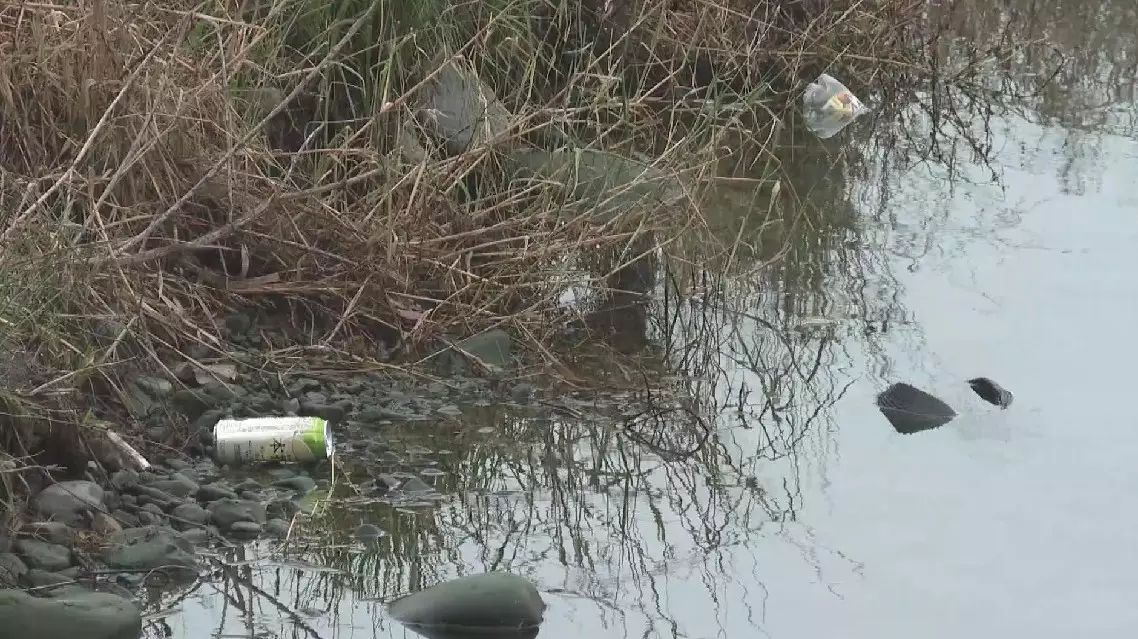
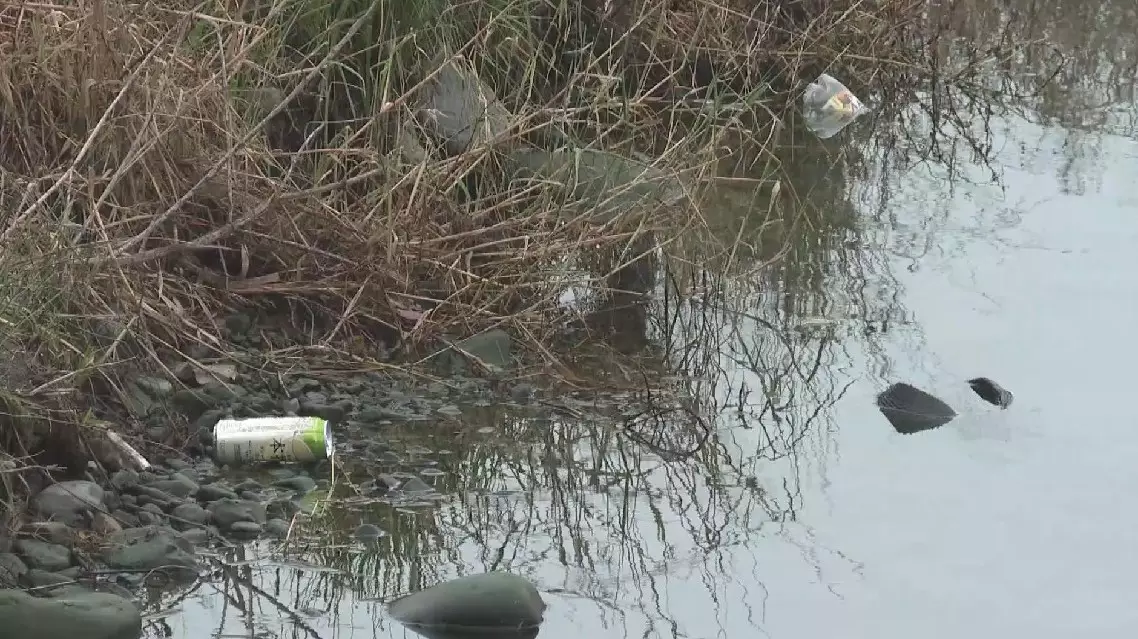
Japanese people criticize gov't inaction to US military bases' alleged water contamination
Japanese people criticize gov't inaction to US military bases' alleged water contamination