As China is poised to send the Shenzhou-19 manned spacecraft into space, meteorological workers at the Jiuquan Satellite Launch Center are intensifying their monitoring and forecasting efforts to ensure the safety of the launch mission.
As an important tool for high-altitude weather observation, sounding balloons are primarily used to collect atmospheric data such as temperature, humidity, air pressure, and wind speed at various altitudes. Such balloons are launched daily at the Qiuquan's monitoring stations, and the routine releases will be raised to three or four times daily in the run-up to the Shenzhou-19 mission.
Surrounding the launch center, over 30 meteorological observation points gather data from automated ground weather stations, sounding balloon readings, and remote sensing forecasts. All these are put together at the central weather watch office and form a comprehensive meteorological information network.
Advanced monitoring techniques and numerical prediction models have also been applied to enhance the accuracy. On top of that, forecasters must possess a deep understanding of the launch site weather patterns. "After we entered autumn, weather at the launch site has been somewhat unusual. The number of rainy days in September has tied historical highs, and since mid-October, temperatures have been well above average. Currently, cold air is accumulating in Siberia, while typhoons are active along the southeast coast. We are closely monitoring these major weather systems," said Ren Fengjie, a staff member at the Jiuquan Satellite Launch Center.
To avoid the impacts of adverse weather on the coming launch mission, meteorological staff began preparations a month in advance, conducting equipment checks and performing specialized analyses on historical wind and dust weather patterns typical for October and November over the past decade. This provides timely and accurate meteorological forecasts for the mission command team to make informed decisions.
"Through our accumulation of meteorological information and analysis of various numerical prediction products, along with multiple rounds of consultations, we believe the weather for the launch window is favorable and meets the minimum meteorological requirements for the mission," said Ren.
China's second manned space crew of the year is expected to head into space in the next few days. The Shenzhou-19 mission will lift off from the Jiuquan Satellite Launch Center in Gansu Province. On Tuesday, both the spacecraft and a Long March-2F carrier rocket were transported to the launch pad.
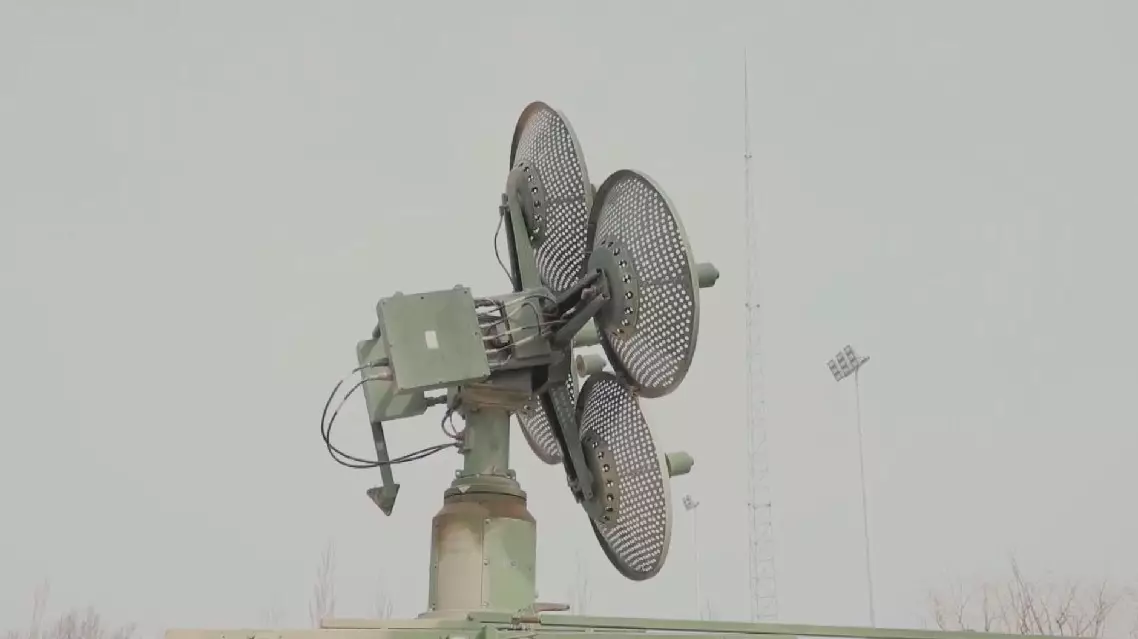
Jiuquan launch center intensifies meteorological monitoring for upcoming Shenzhou-19 mission
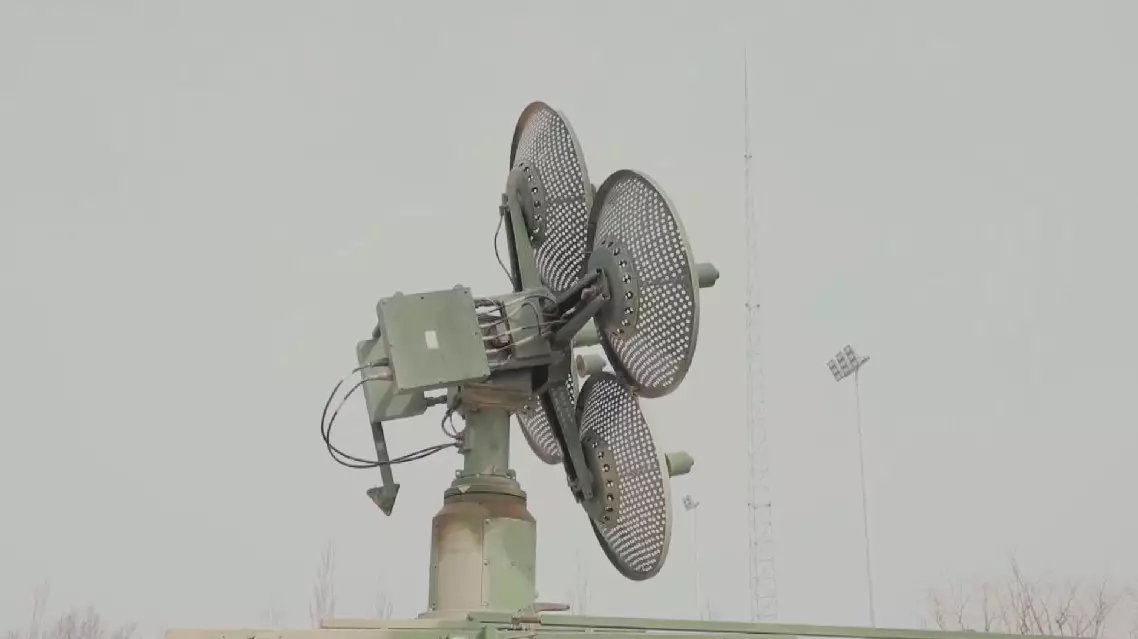
Jiuquan launch center intensifies meteorological monitoring for upcoming Shenzhou-19 mission
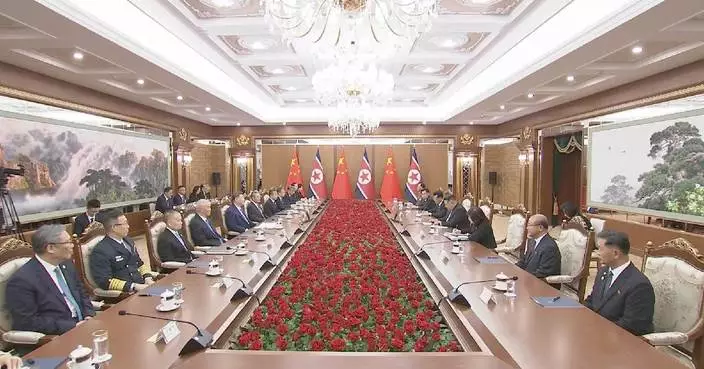
Xi Jinping, general secretary of the Communist Party of China (CPC) Central Committee and Chinese president, said on Monday that the relationship between China and the Democratic People's Republic of Korea (DPRK) stands at a new historical starting point.
Xi arrived in the DPRK capital of Pyongyang earlier on Monday to begin a two-day state visit at the invitation of Kim Jong Un, general secretary of the Workers' Party of Korea and president of the State Affairs of the DPRK, marking his first trip to the country in seven years.
Delivering a speech at a welcome banquet hosted by Kim, Xi pointed out that China and the DPRK, linked by mountains and rivers and sharing a common future, have seen their traditional friendship passed down across generations and grow ever stronger over time through the test of the evolving international landscape.
This year marks the 65th anniversary of the China-DPRK Treaty of Friendship, Cooperation and Mutual Assistance, and the China-DPRK relationship stands at a new historical starting point, Xi said, noting that he has reached important consensus with Kim during his visit.
From the strategic perspective of the future and destiny of socialism, both leaders have agreed to seize the general trend of the times, respond to the shared aspirations of the two peoples, strengthen high-level exchanges, deepen strategic communication, expand practical cooperation, enhance people-to-people bonds, promote the high-level development of China-DPRK relations, jointly open up brighter prospects for the socialist cause of both countries, and contribute to the continuous progress of human society, Xi said.
The successful convening of the Ninth Congress of the WPK this year has made strategic plans and major arrangements for the long-term development of the Party and the country's cause, ushering in a new period of comprehensive development of the DPRK's socialist cause, Xi said.
As good neighbors, good friends and good comrades, the Chinese side sincerely wishes that, under the strong leadership of the Central Committee of the WPK headed by General Secretary Kim, the DPRK people will successfully accomplish the goals and tasks set by the Ninth Congress of the WPK and make constant new achievements in the socialist cause of the DPRK, Xi said.
On behalf of the WPK, the government and the people of the DPRK, Kim extended the warmest welcome to Xi on his visit. Kim said that Pyongyang was filled with an atmosphere of friendship on this special day as the DPRK's Party, government and people warmly welcomed their most distinguished guest.
Noting that Xi's first overseas trip of the year had brought him to the DPRK, Kim said this fully demonstrated the great importance Xi attached to developing relations between the two parties and the two countries, and constituted the most valuable support for the DPRK's socialist cause.
Noting the meeting with Xi came nine months after their previous meeting, Kim said that during this meeting, they reached important consensus on further advancing DPRK-China relations with new contemporary connotations in light of new changing circumstances, and exchanged views on international and regional issues of mutual concern, which will surely accelerate the development of the DPRK-China friendship with profound historical traditions, and contribute to peace and stability in the region and the world.
The DPRK people take heartfelt joy in the remarkable achievements made by the brotherly Chinese people, Kim said, expressing belief that under the leadership of the CPC with Xi at its core, the great Chinese people will surely create greater achievements in building a great modern socialist country in all respects, realizing the Second Centenary Goal, and completing the new journey toward the great rejuvenation of the Chinese nation.
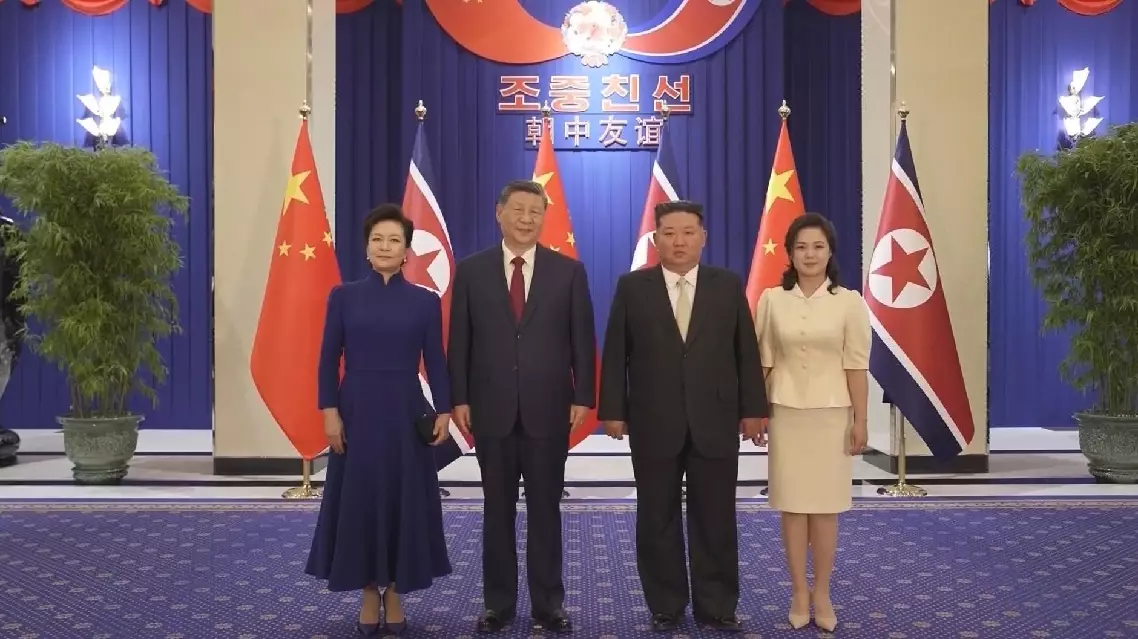
Xi says China-DPRK ties stand at new historical starting point