China's central bank said on Monday that it started using outright reverse repos, a tool of open market operations, to maintain a reasonable abundance of liquidity in the banking system and further enrich its monetary policy toolbox.
The People's Bank of China will conduct so-called outright reverse repurchase agreements with primary dealers in open market operations monthly for a timeframe of no more than a year, according to a statement Monday.
A reverse repo is a process in which the central bank purchases securities from commercial banks through bidding, with an agreement to sell them back in the future.
The securities will include sovereign bonds, local government bonds, financial debentures and corporate bonds, the PBOC said.
The central bank began to conduct 241.6 billion yuan (about 33.88 billion U.S. dollars) of seven-day reverse repos at an interest rate of 1.5 percent Monday.
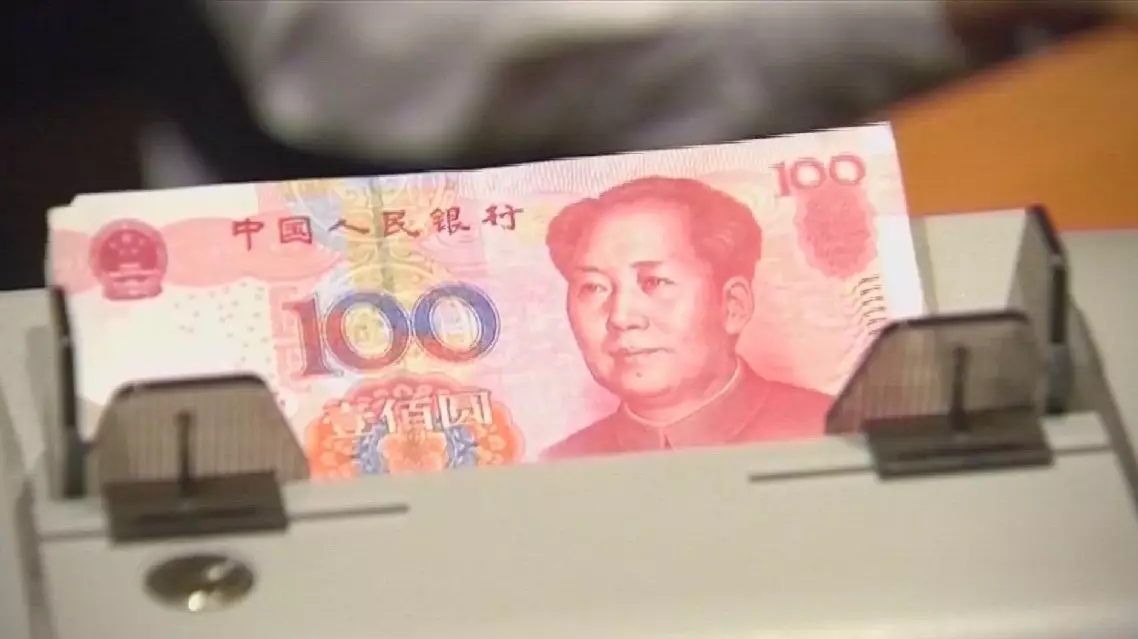
China's central bank starts using outright reverse repos
Tokyo stocks rose Friday, with the benchmark Nikkei stock index ending at a fresh record high, buoyed by optimism over a settlement in the Middle East conflict.
The 225-issue Nikkei Stock Average ended up 1,654.93 points, or 2.68 percent, from Thursday at 63,339.07.
The broader Topix index, meanwhile, finished 38.65 points, or 1.00 percent, higher at 3,892.46.
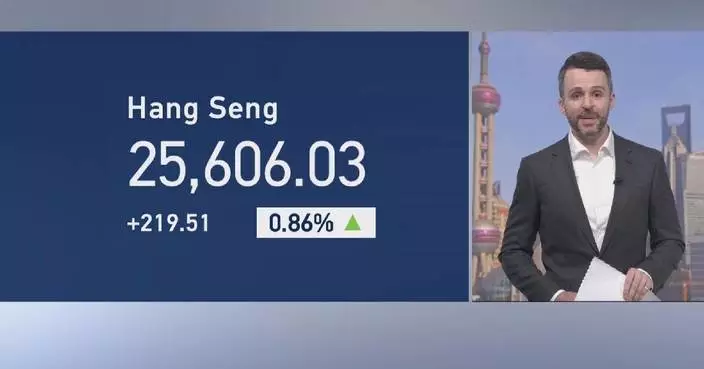
"There was some optimistic trade around the latest U.S.-Iran talks, but this optimism seems to be based on the fact that things aren't getting drastically worse in the region rather than the situation improving significantly," Timothy Pope, a market analyst for China Global Television Network (CGTN), recapped the day's developments.
"This optimism was most strongly on display, I think, in Tokyo today, where the Nikkei rose 2.7 percent with hopes for some relief on oil prices and other currently scarce materials. It's not just oil that is not getting out of the region. As we know, it's other petrochemicals and things like helium as well. The general performance was pretty strong. Metals producers were doing fairly well in Tokyo, but in Japan as well, the market is very much focused on AI stocks. And today, the gains were strong for SoftBank -- it was up almost 12 percent after a bit of a battering earlier in the week. And that SoftBank gain contributed nearly a third to the Nikkei's overall gains on Friday," said Pope.
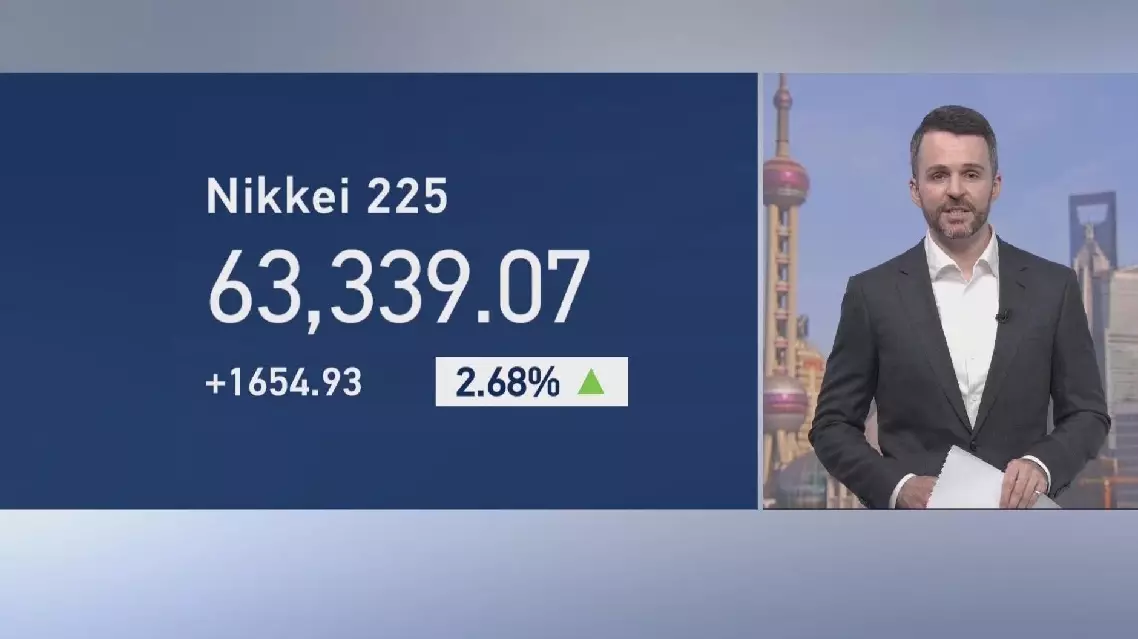
Tokyo stocks end higher as U.S.-Iran talks fuel cautious optimism