Speech by FS at Hong Kong FinTech Week 2024 (with photos/video)
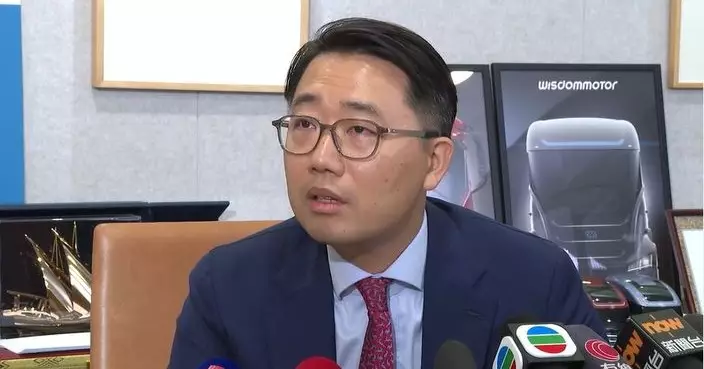
Following is the speech by the Financial Secretary, Mr Paul Chan, at Hong Kong FinTech Week 2024 today (October 28):
Click to Gallery
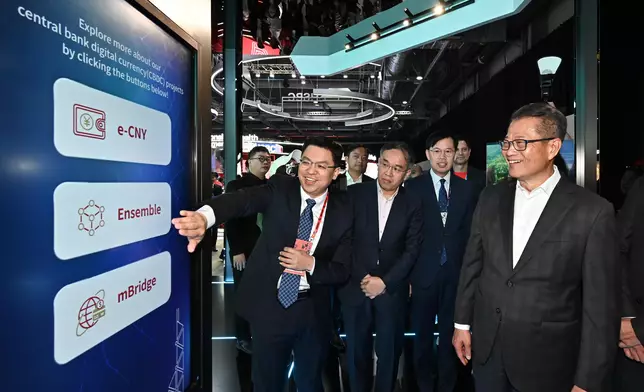
Speech by FS at Hong Kong FinTech Week 2024 Source: HKSAR Government Press Releases
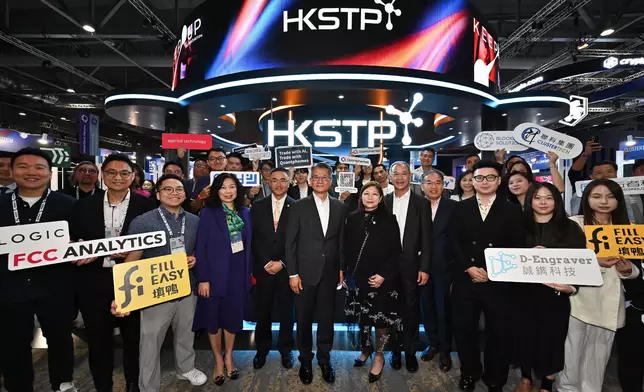
Speech by FS at Hong Kong FinTech Week 2024 Source: HKSAR Government Press Releases
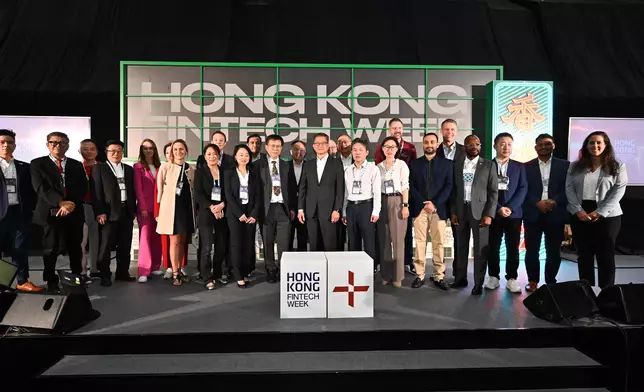
Speech by FS at Hong Kong FinTech Week 2024 Source: HKSAR Government Press Releases
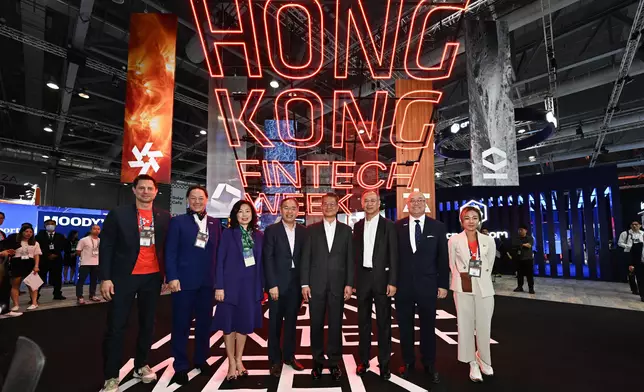
Speech by FS at Hong Kong FinTech Week 2024 Source: HKSAR Government Press Releases
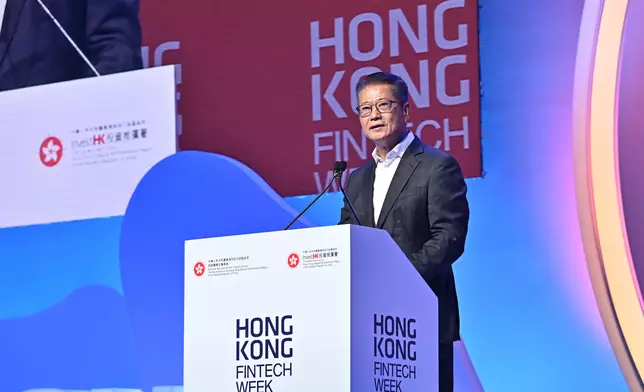
Speech by FS at Hong Kong FinTech Week 2024 Source: HKSAR Government Press Releases
Mr Xu Weigang (the Director-General of the Economic Affairs Department of the Liaison Office of the Central People's Government in the Hong Kong Special Administrative Region), Mr Fu Xiaochu (the Director-General of the Guangzhou Municipal Local Finance Administration Bureau), Chris (the Secretary for Financial Services and the Treasury, Mr Christopher Hui), Salina (the Permanent Secretary for Financial Services and the Treasury (Financial Services), Ms Salina Yan), distinguished guests, ladies and gentlemen,
Good morning everyone. Welcome to Hong Kong FinTech Week 2024, and a very special welcome to the innovators, founders, investors, and delegations from over 100 countries and regions.
The Hong Kong fintech sector
Hong Kong is emerging fast as one of the most attractive global fintech hubs. In the first half of this year, among the top 10 fintech deals in the Asia-Pacific region, three were in the Mainland and two in Hong Kong. That means, ladies and gentlemen, you are in the right spot to search for the fintech opportunities that lie ahead.
Our latest figures tell of the vibrancy of our ecosystem. At present, we house more than 1 100 fintech and Web3 companies, an increase of about 15 per cent in comparison with the figure last year.
Many of these companies are coming from outside Hong Kong. This year, the 60 companies that Invest Hong Kong has assisted are bringing in investments exceeding US$2.4 billion.
Indeed, during my recent visits to Australia, Europe and the United States (US), many fintech and other start-ups had shown great interest in establishing a presence in the city. Hong Kong’s open, free and diverse environment, burgeoning innovation and technology ecosystem, full range of funding support, deep talent pool, pro-business and pro-innovation regulatory system, the Greater Bay Area and Greater China application scenarios, and the ability to connect both China and the world are clear points of attraction.
Not only are we attracting US, European and Mainland fintech firms. We are reaching out to the Middle East too. This afternoon, I will be leading a delegation of more than 100 members from Hong Kong financial and innovation circles to Saudi Arabia. One of our local start-ups will be signing a deal with its Saudi counterpart there.
Big companies and big numbers aside, the core element of a vibrant fintech ecosystem is the entrepreneurship of fintech start-ups. In other words, the drive for excellence, the will to make financial services more competitive, inclusive and accessible, and ultimately, to make our lives better.
Hong Kong has no lack of fintech start-ups with such vision and spirit. I’m sure you will be able to meet many of them in FinTech Week. At this same event last year, I talked about a fintech company nurtured in Science Park using AI (artificial intelligence) and big data to power a credit-risk model, and helping SMEs (small and medium-sized enterprises) to obtain loans without necessarily providing collateral. That company, I’m pleased to note, had obtained facilities from global banks worth some US$750 million in just one year’s time. With such financial backing, this start-up has truly made impactful contributions to SMEs and the real economy.
Looking ahead: blockchain and AI
Looking to the future, two areas are definitely dominating the scene of fintech: blockchain and AI.
For both, the Government holds the same principle: we embrace new technologies as they unlock new innovations in the financial world. Yet we are mindful of the possible risks they may create to consumers, investors and the financial system at large. That’s why balanced, proportionate regulation is necessary, which is good for their sustainable and healthy development in the long term.
Digital assets
Take digital assets for example. That’s why we have put in place a licensing regime last year for digital asset trading platforms, based on the “same activity, same risk, same regulation” principle. Among the licensing conditions are segregating clients’ money; conducting due diligence on virtual asset (VA) products and taking on anti-money laundering obligations.
We have issued three licenses so far. Meanwhile, the SFC (Securities and Futures Commission) is assessing the legal and regulatory compliance of those deemed service providers. We expect more licences will be issued in the next couple of months.
As to stablecoins, the HKMA has already launched a stablecoin issuer sandbox in March to allow interested parties to conduct testing and to facilitate two-way communication on the proposed regulatory requirements, ensuring that such requirements are fit for purpose. It is our plan to introduce the legislation this year.
We are also reviewing the design of the regulatory framework for over-the-counter trading activities of digital assets. A second round of consultation will be conducted next year before introducing the licensing regime for VA custodian service providers.
AI
The transformative power of AI across different industries and sectors needs no explanation. In the financial market, AI is driving innovation in risk management, enhancing customer services, streamlining operations, preventing financial crime and much more. This combination of AI and finance is also setting new standards for excellence and innovation.
Like any other emerging technologies, we must not just eye the reaping of AI benefits but should also seek to address the potential challenges, such as cybersecurity, data privacy, the protection of intellectual property rights, and concerns about its impact on jobs and ethics.
This is the reason why this morning, the Government is rolling out a policy statement to set out our policy stance and regulatory approach towards the responsible application of AI in financial services. We consider it appropriate to adopt a dual-track model for AI. We will continue to encourage the adoption of AI to capture the opportunities, while assess its associated risks from time to time, and mitigate them. In this connection, the Government and financial regulators will work closely with the industry to provide a clear supervisory framework and create a conducive and sustainable market environment.
My colleague Chris, Secretary for Financial Services and the Treasury, will be giving you a thorough presentation on this AI policy statement.
Concluding remarks
Ladies and gentleman, all I have outlined are just a glimpse of the many facets of Hong Kong’s fintech scene. The rest is for you to explore. I trust the fruitful series of discussion are going to help us envision the future of financial services and inspire us with new possibilities.
I wish you all the best of business, and health, in the coming years. Thank you, and welcome again to Hong Kong Fintech Week 2024!
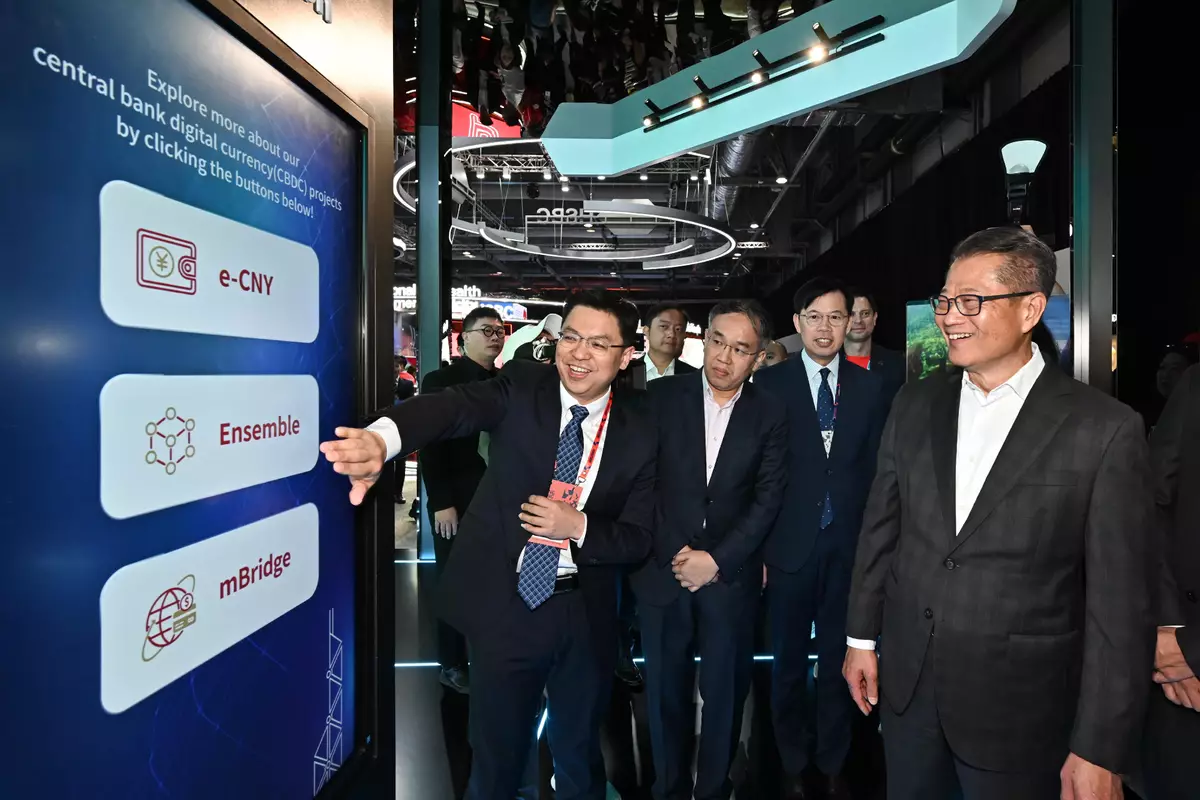
Speech by FS at Hong Kong FinTech Week 2024 Source: HKSAR Government Press Releases
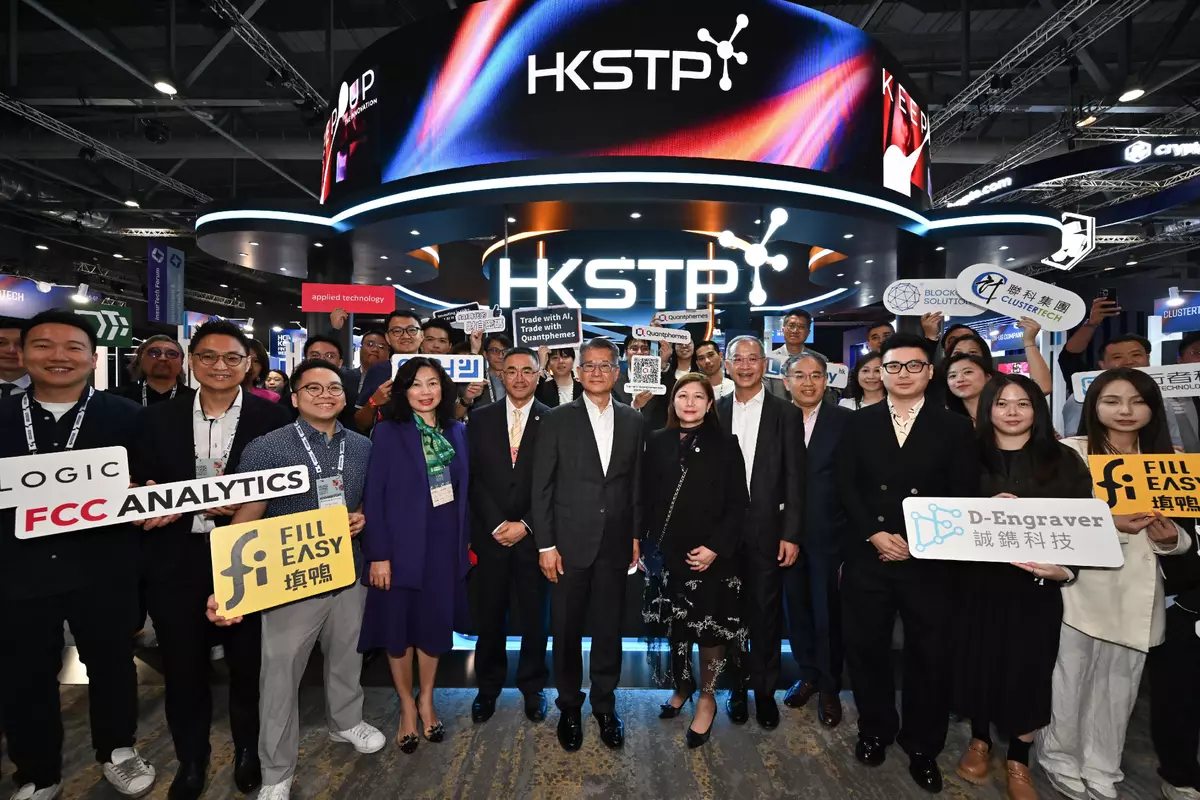
Speech by FS at Hong Kong FinTech Week 2024 Source: HKSAR Government Press Releases
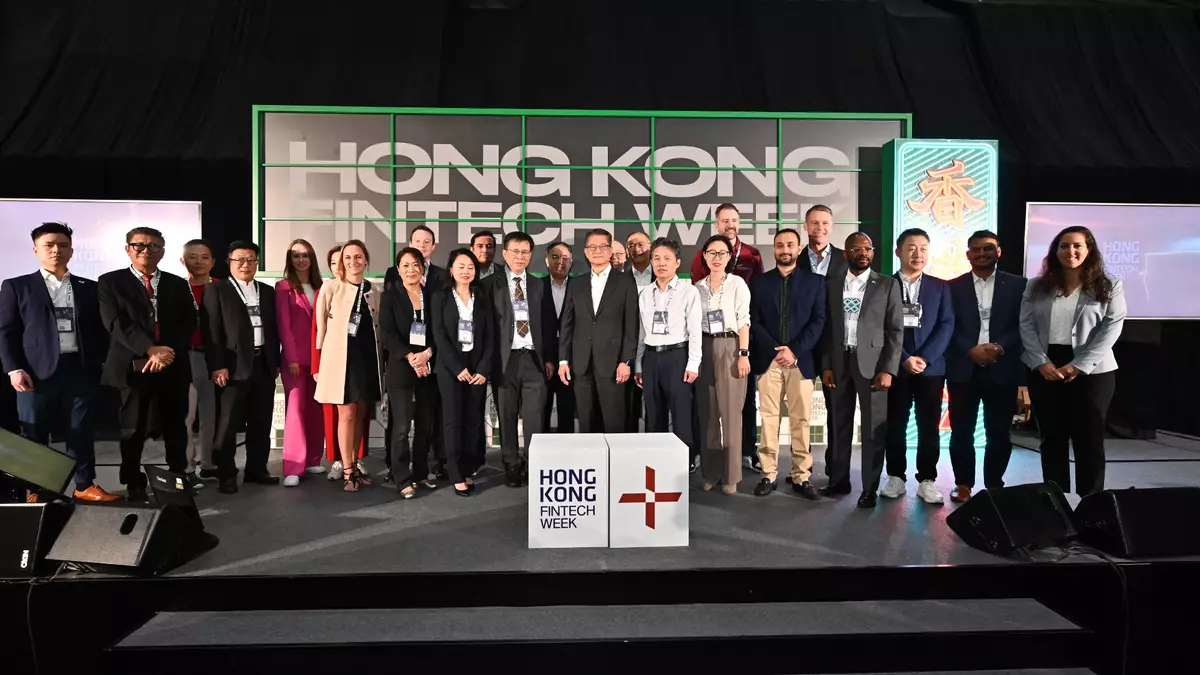
Speech by FS at Hong Kong FinTech Week 2024 Source: HKSAR Government Press Releases
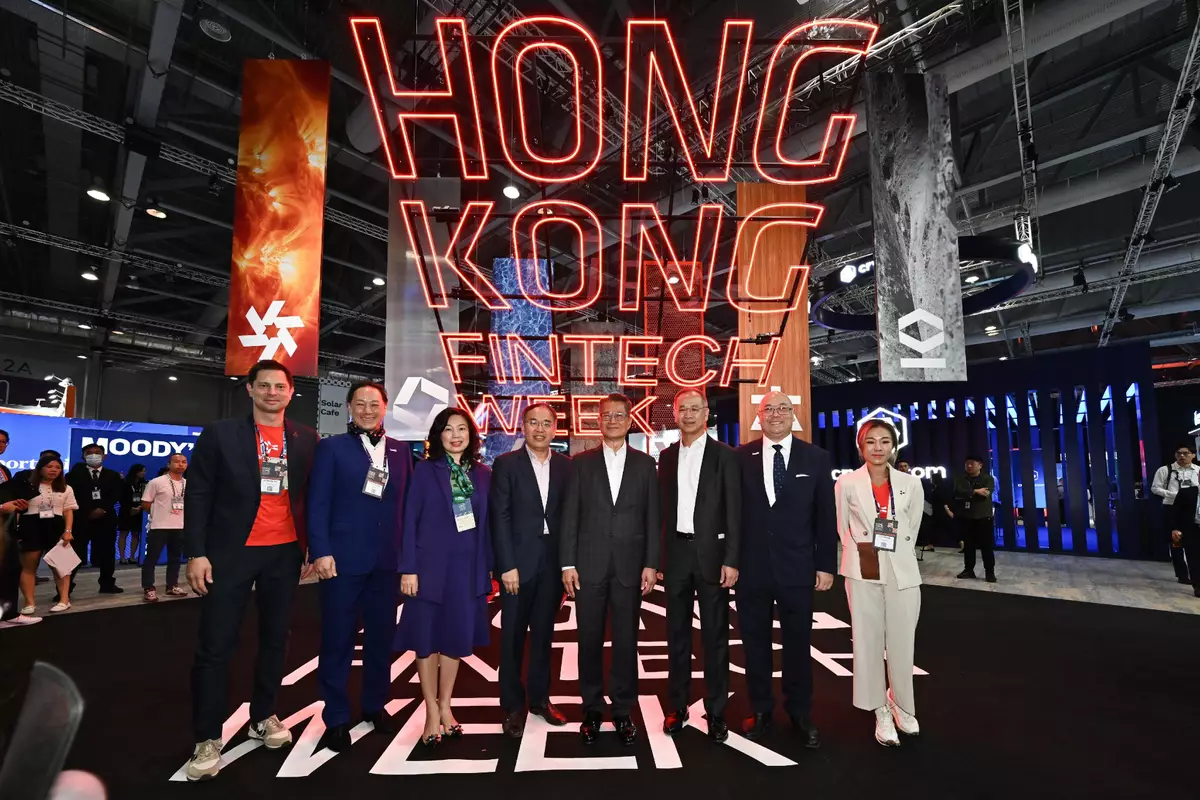
Speech by FS at Hong Kong FinTech Week 2024 Source: HKSAR Government Press Releases
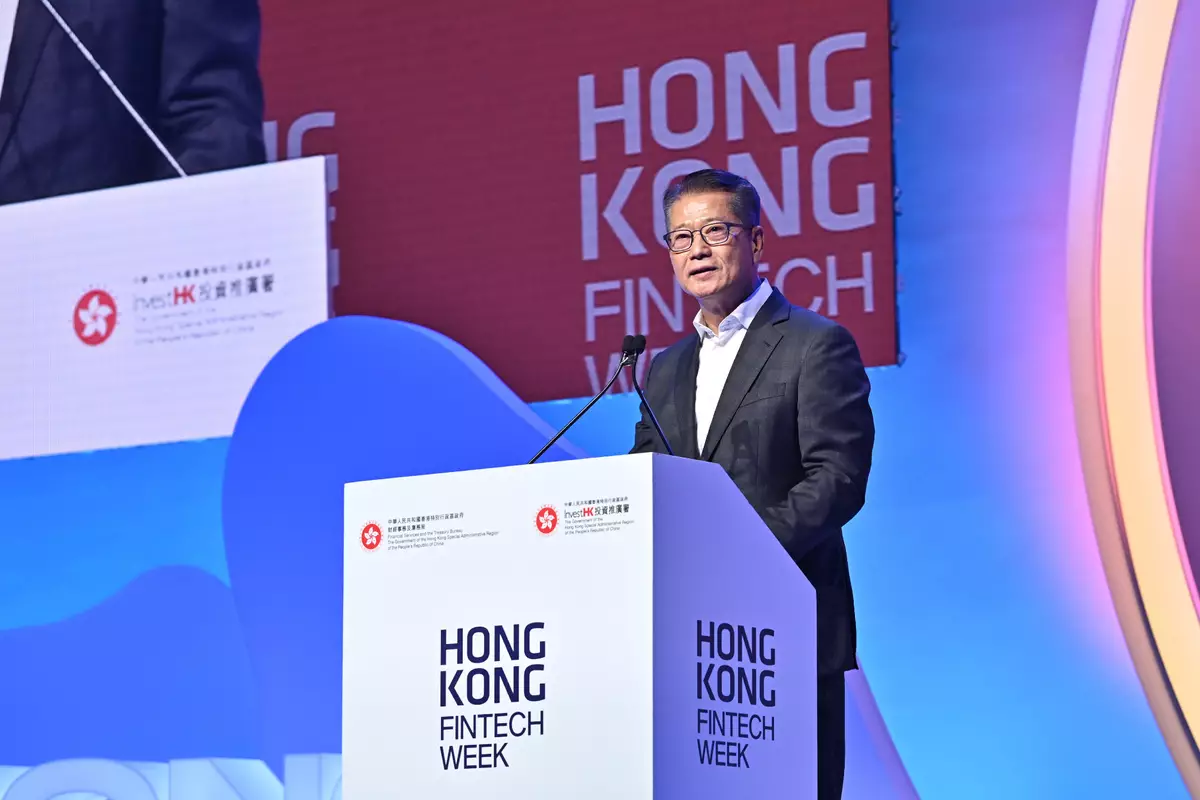
Speech by FS at Hong Kong FinTech Week 2024 Source: HKSAR Government Press Releases