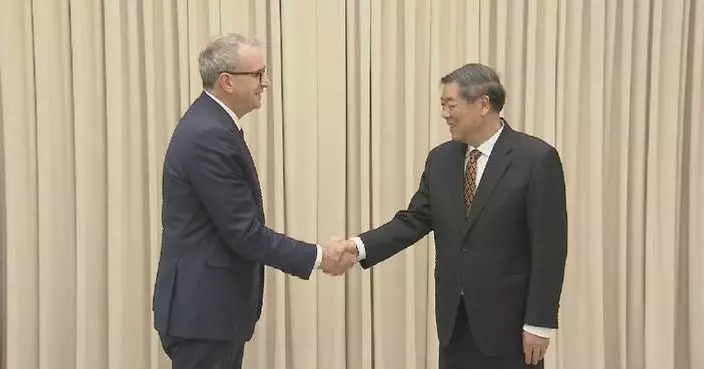
Chinese Premier Li Qiang on Tuesday met with visiting Finnish President Alexander Stubb in Beijing.
Li noted that bilateral relations between China and Finland have maintained a sound momentum of growth in recent years with bilateral mutually beneficial cooperation being advanced in various fields.
The talks between President Xi Jinping and President Stubb have provided new strategic guidance for further deepening bilateral relations between China and Finland, the premier said.
China is willing to work with Finland to implement the important consensus reached by the two heads of state, carry forward the traditional friendship, enhance political mutual trust, uphold open cooperation, deepen cooperation in fields including economy and trade, science, technology and people-to-people exchanges, achieve higher levels of mutual benefit and win-win cooperation, take ties and cooperation between the two countries to a new level and work together in building a global community of shared future, Li noted. For his part, Stubb said Finland-China relations currently enjoy a sound momentum of growth, noting that the Finnish side looks forward to strengthening exchanges at all levels with China and deepening cooperation in areas such as economy and trade, agriculture, green energy, and response to climate change, while also enhancing cultural and people-to-people exchanges.
Finland is committed to promoting steady development of economic and trade relations between Europe and China, said the Finnish president.
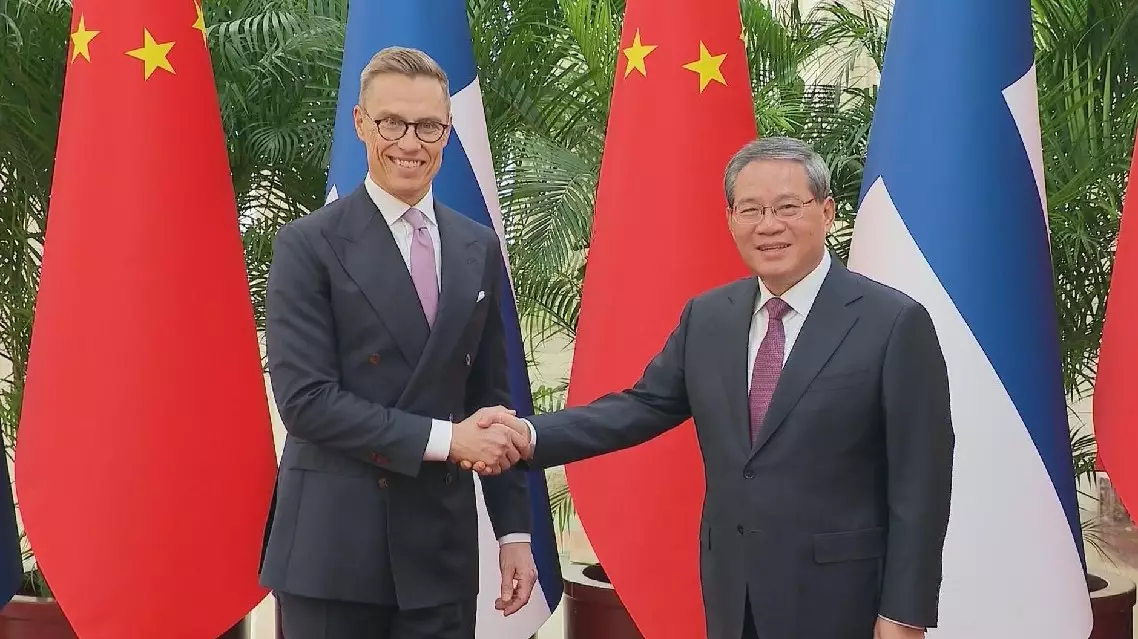
Chinese premier meets Finnish president in Beijing
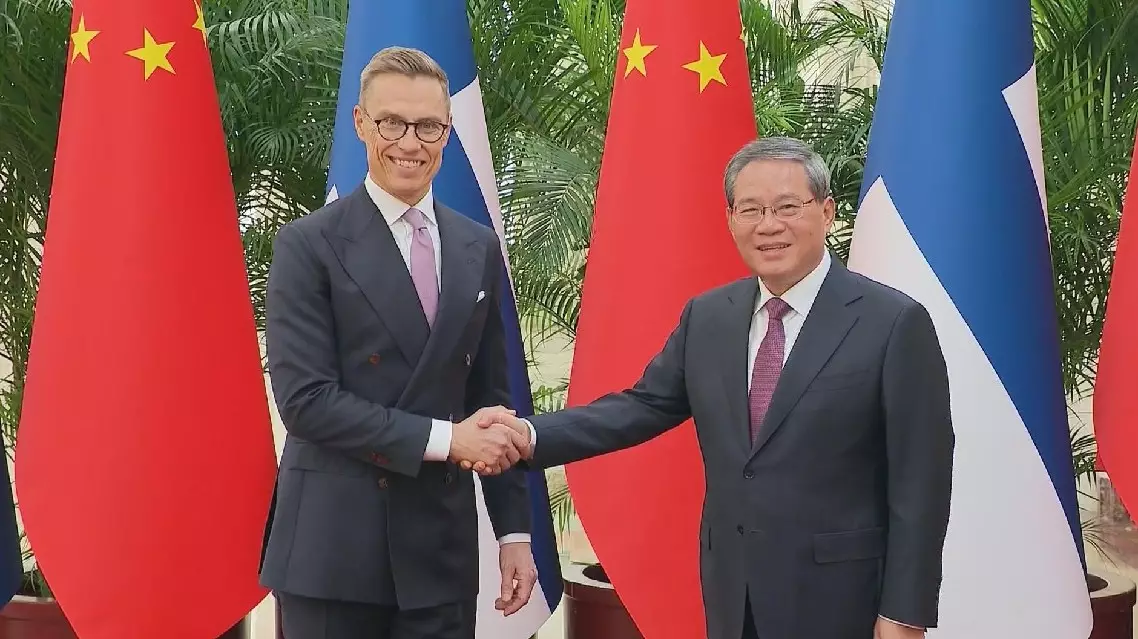
Chinese premier meets Finnish president in Beijing
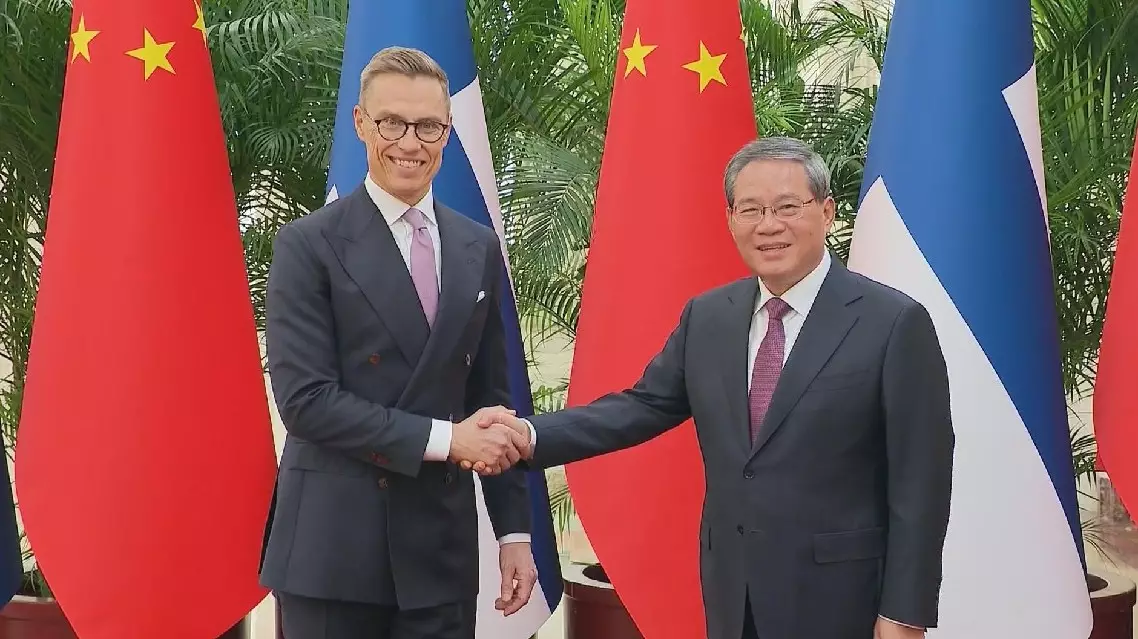
Chinese premier meets Finnish president in Beijing
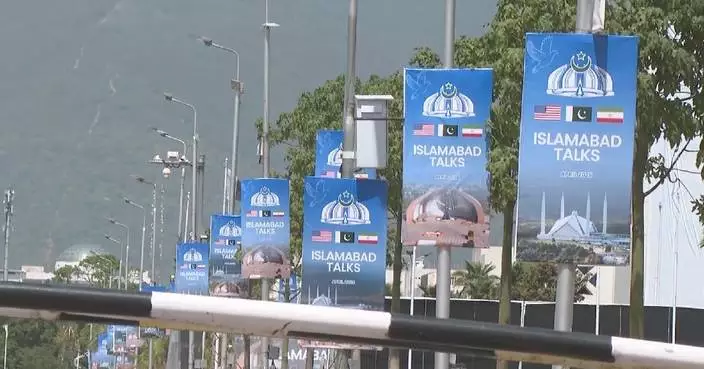
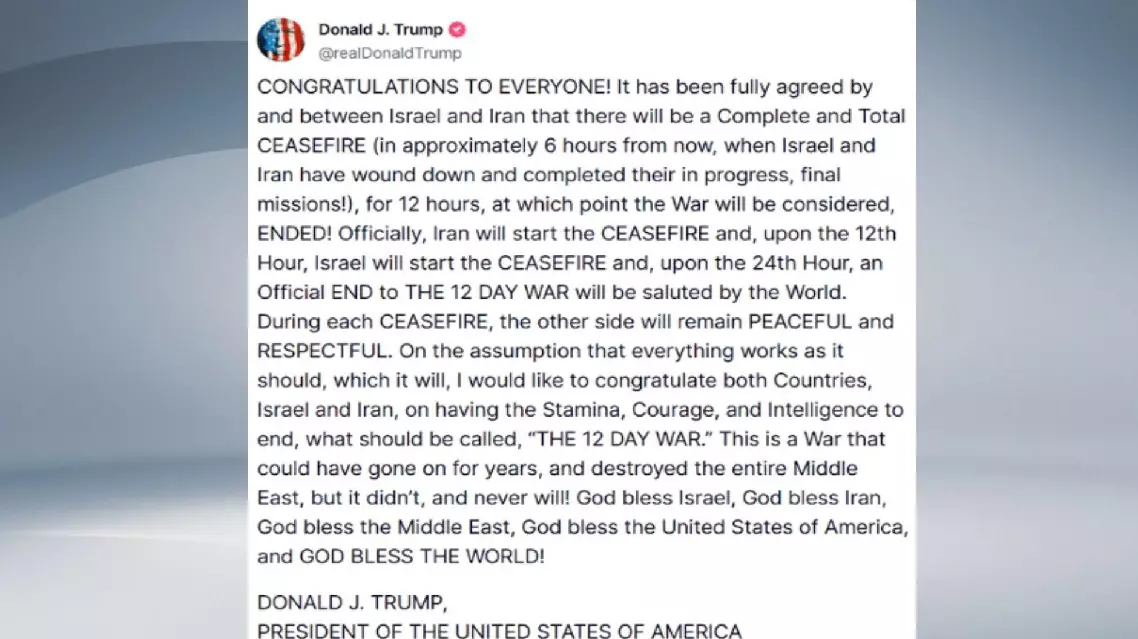
U.S. President Donald Trump said Tuesday he will extend the two-week ceasefire with Iran that was set to expire on Wednesday night (midnight GMT Tuesday).
"Based on the fact that the Government of Iran is seriously fractured, not unexpectedly so and, upon the request of Field Marshal Asim Munir, and Prime Minister Shehbaz Sharif, of Pakistan, we have been asked to hold our Attack on the Country of Iran until such time as their leaders and representatives can come up with a unified proposal," Trump wrote on Truth Social.
The U.S. president said he will "extend the ceasefire until such time as their proposal is submitted, and discussions are concluded, one way or the other."
The U.S. military will continue the blockade against Iran and "remain ready and able," according to Trump.
Iranian Foreign Minister Seyed Abbas Araghchi said in a post on X Tuesday that the U.S. blockade of Iranian ports is "an act of war and thus a violation of the ceasefire" and attacking Iranian merchant ships and detaining their crew members were even more serious violations.
"Iran knows how to neutralize restrictions, how to defend its interests, and how to resist bullying," Araghchi wrote in his post.
Mehdi Mohammadi, an advisor to Iran's parliament speaker Mohammad Bagher Ghalibaf, also said the U.S. blockade must be met with a military response, dismissing Trump's ceasefire extension announcement as "meaningless".
"Extending the ceasefire by Trump has no meaning. The losing side cannot dictate terms. Continuing the blockade is no different from bombing and must be met with a military response. Moreover, any extension of the ceasefire by Trump is certainly a way to buy time for a surprise attack. Now is the time for Iran to take the initiative," Mohammadi posted on X.
Trump extends ceasefire; Iran vows military response to naval blockade