The ongoing conflict between Israel and Lebanon's Hezbollah is impacting the Lebanonese economy as businesses and local companies are scrambling to deal with the worsening situation.
The Israeli army has been carrying out intensive airstrikes on Lebanon since Sept. 23, and started a ground operation earlier this month.
Lebanon's economy has been on a downward spiral since the hostilities intensified, with major sectors like trade, industry, and tourism suffering major losses.
"Tourism and services were affected a lot during the last period because of the wars and we had big problems in this sector. And many companies had to shut down like hotels, like restaurants, like clubs and even rent-a-car companies. These contribute a lot to the GDP of Lebanon. Lebanon today has a GDP of 25 billion (U.S.) dollars, which is down from 55 billion dollars in 2019," said Bassem El-Bawab, president of the Consortium of Lebanese Enterprises.
The Israeli offensive has expanded from southern Lebanon to other cities, including the capital Beirut, the country's business hub.
A lot of business owners have fled the country with their families, but many have opted to stay and try to adapt their companies to the fast-developing situation in Lebanon.
Hani Bohsali, an importer, said his offices and warehouses next to the airport were recently damaged by a raid that Israel claims was targeting Hezbollah.
"We have been moving from huge offices to a very small place just to accommodate all the people that are there, and this is just one of the problems. There are companies that have been smashed out because they are all located in unsafe regions and they have totally closed," said Bohsali, president of Lebanon's Syndicate of Importers of Foodstuffs and also the owner and CEO of Bohsali Foods.
He says he's committed to keeping his business running despite the security risks.
Ensuring employee safe in such dangerous times has been another challenge for employers like Asaad Saccal, whose Sacall Holdings is operating at about 50 percent capacity.
"[It is] impossible to work in full capacity because we cannot force any employee to come to work in a time there is bombing in lots of areas. Streets are not secure. Those employees don't know if they are at work if they can go back home. Some are not coming, working online from home; some are coming, and some have left the country," said Saccal, also the president of the Lebanese Kuwaiti Business Council.
He says he's had to seek alternative measures to avoid more losses.
"Competitors with the same business, many of them have shut down. We are planning immediately a new factory mainly in the Arab area. It will be opened up in a couple of months to be always a plan B for our fact in Lebanon. We're building some new network of customers from there," Saccal noted.
As the war takes its toll on Lebanese businesses, their employees are likely to pay a heavy price if peace does not return soon.
"We know today that more than 200,000 Lebanese laborers out of one million are not going to work by force. And we have a very big percentage now that will be laid off if the war continues," said El-Bawab.
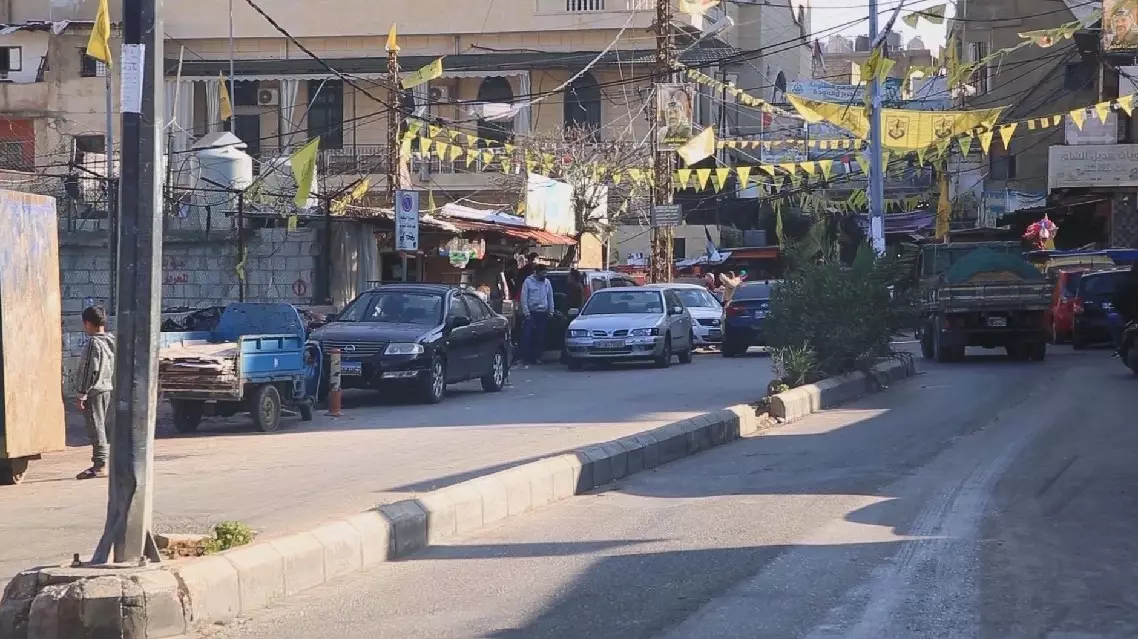
Lebanese businesses struggle to deal with impact of conflict
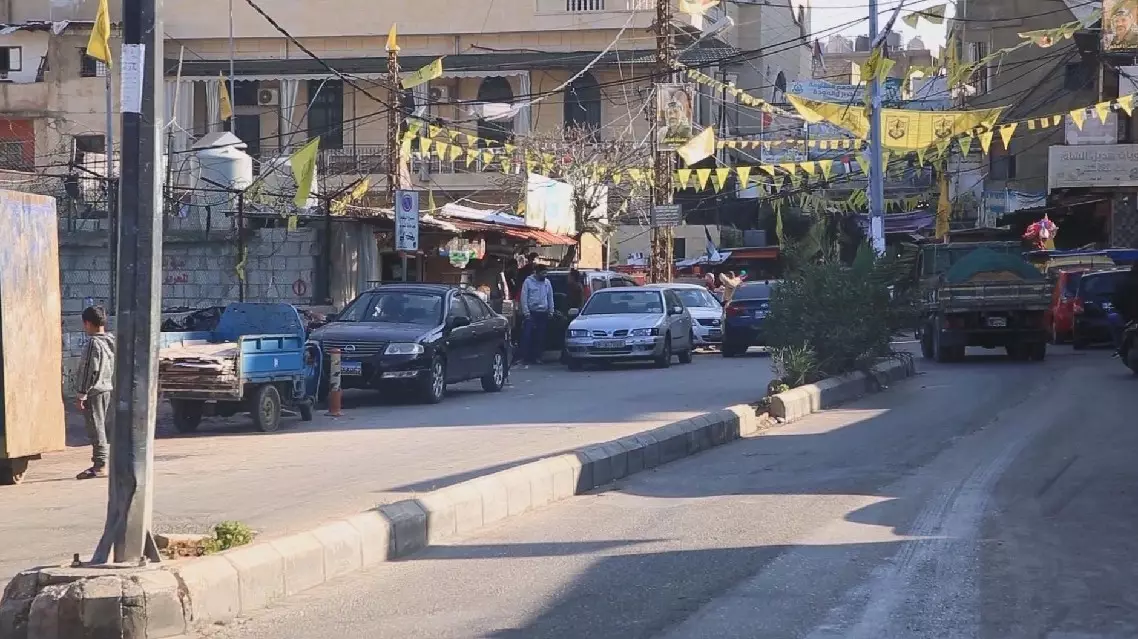
Lebanese businesses struggle to deal with impact of conflict