Skip to Content Facebook Feature Image

Iran warns of 'devastating' response if attacked: spokesman
HotTV

Iran warns of 'devastating' response if attacked: spokesman
HotTV

HotTV

Iran warns of 'devastating' response if attacked: spokesman

2026-02-11 11:10 Last Updated At:02-12 12:50

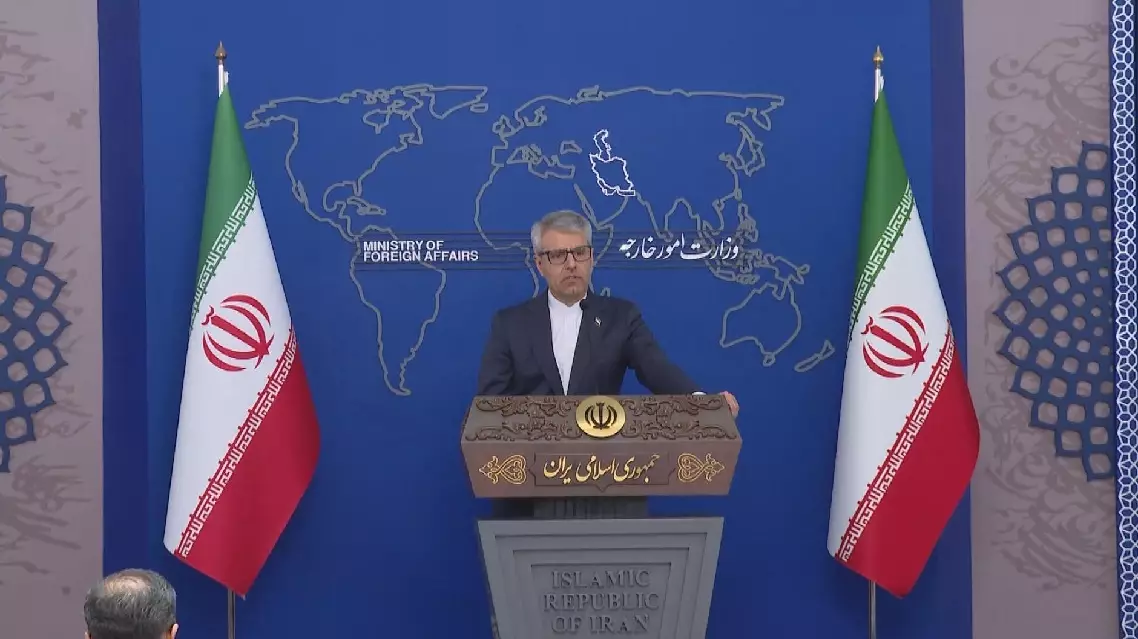
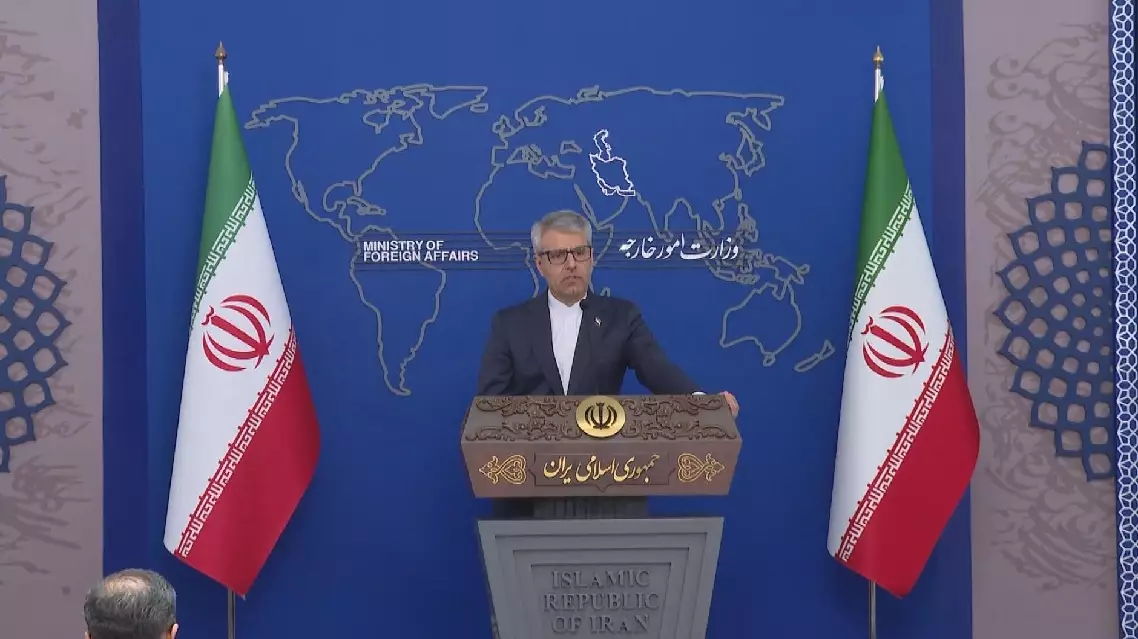
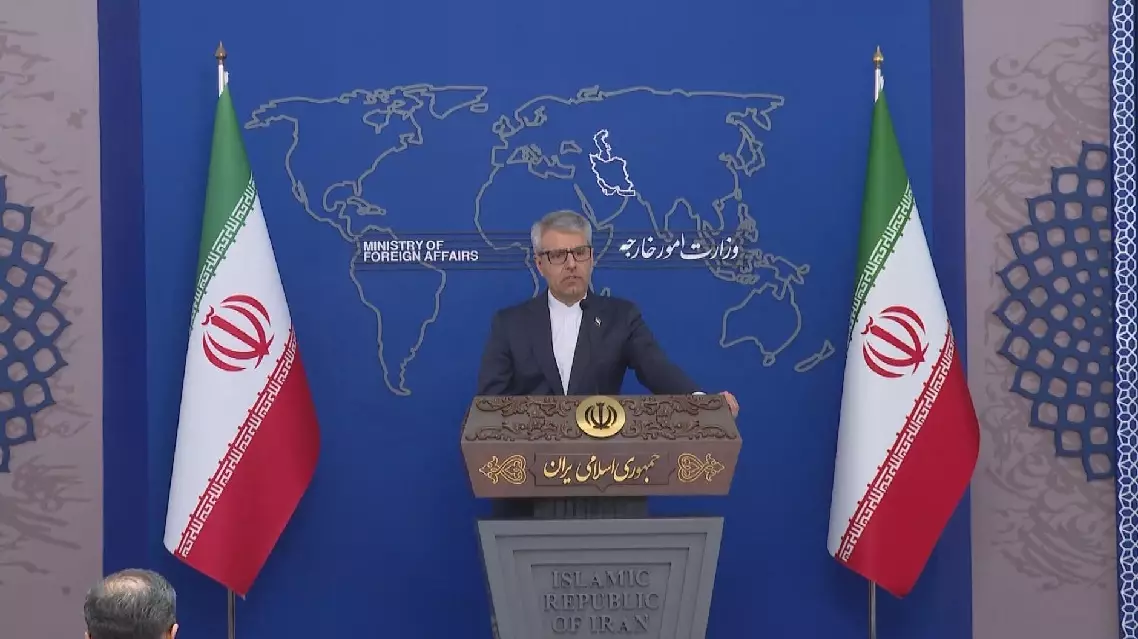
Iran will deliver a "devastating" response if it comes under military attack, Iran's Foreign Ministry Spokesman Esmaeil Baghaei said on Tuesday, while stressing that Iran has never ruled out diplomacy in dealing with the United States.

Speaking at a press conference in Tehran about the negotiations between Iran and the U.S., Baghaei said that Israel has been deliberately portraying Iran's peaceful nuclear program as a so-called "Iranian nuclear crisis" and plays a destructive role in any potential talks between Iran and the U.S.

More Images
Iran warns of 'devastating' response if attacked: spokesman

Iran warns of 'devastating' response if attacked: spokesman
Iran warns of 'devastating' response if attacked: spokesman
Iran warns of 'devastating' response if attacked: spokesman
Iran warns of 'devastating' response if attacked: spokesman

Iran warns of 'devastating' response if attacked: spokesman
Iran warns of 'devastating' response if attacked: spokesman

Iran warns of 'devastating' response if attacked: spokesman

Baghaei called on the U.S. to ensure its foreign policy is not influenced by Israel.

"We cannot enter a diplomatic process without considering what has occurred over the past 10 to 15 years, and even the actions of the U.S. over the last seven to eight months. All of these require us to be extremely cautious in any diplomatic process. At the same time, we have repeatedly emphasized that Iran has never shied away from diplomatic channels," said Baghaei.

Responding to the U.S. sanctions and threats, the spokesman blasted the U.S. for being obsessed with using economic means to exert pressure, accusing the U.S. of talking diplomacy while simultaneously intensifying pressure on Iran behind closed doors.

He also reiterated that any military aggression against Iran by the U.S. or Israel would be met with a firm and forceful response.

Iranian public opinion generally views current Iran-U.S. relations as a complex game balancing diplomacy and military pressure. With no concrete solutions yet on core disputes such as missile-related issues, whether the two sides will reach an agreement or slide into confrontation remains to be seen.

Iran warns of 'devastating' response if attacked: spokesman

Iran warns of 'devastating' response if attacked: spokesman

Iran warns of 'devastating' response if attacked: spokesman
Iran warns of 'devastating' response if attacked: spokesman

Iran warns of 'devastating' response if attacked: spokesman

Iran warns of 'devastating' response if attacked: spokesman

Iran warns of 'devastating' response if attacked: spokesman

Iran warns of 'devastating' response if attacked: spokesman

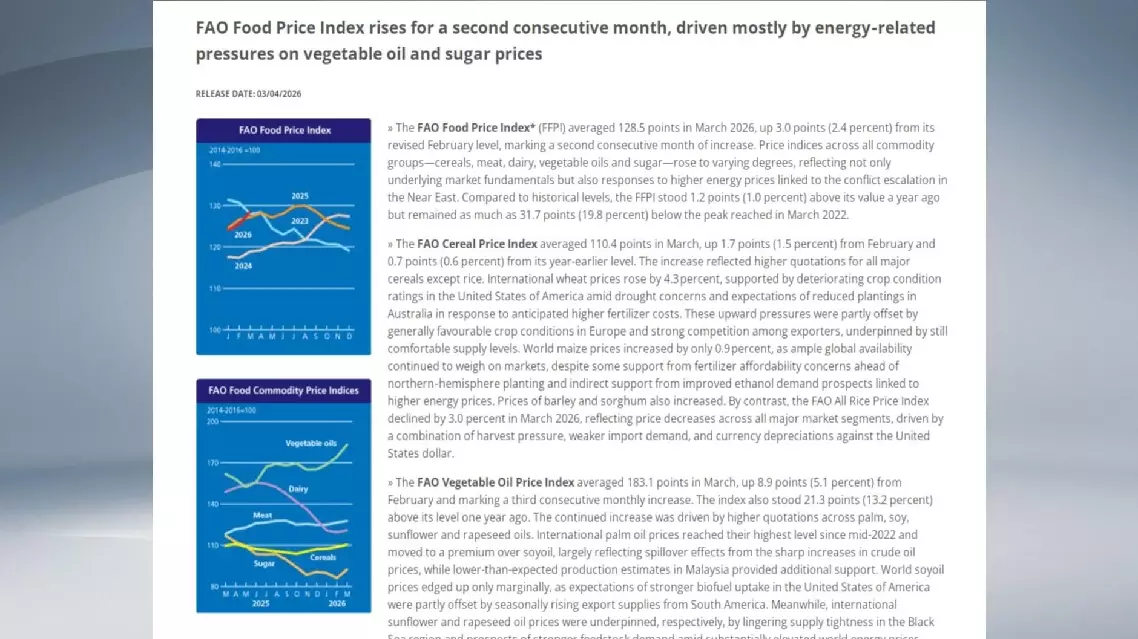
Global food commodity prices climbed for a second consecutive month in March, driven mainly by higher energy costs linked to escalating conflict in the Middle East, the Food and Agriculture Organization of the United Nations (FAO) said in report released on Friday.

The FAO Food Price Index, which tracks monthly changes in the international prices of a basket of globally traded food commodities, averaged 128.5 points in March, up 2.4 percent from February and 1.0 percent above its level a year ago.

According to the report, the FAO Vegetable Oil Index and Sugar Price Index showed the largest increases, up 5.1 percent and 7.2 percent, respectively.

The FAO Cereal Price Index increased by 1.5 percent from the previous month, driven primarily by higher world wheat prices, which rose 4.3 percent.

The FAO Meat Price Index rose by 1.0 percent from the previous month, and the FAO All-Rice Price Index declined by 3.0 percent in March, according to the report.

FAO stated that rising energy and fertilizer prices have been driving up agricultural input costs.

If the conflict stretches beyond 40 days, farmers will have to choose to farm the same with fewer inputs, plant less, or switch to less intensive fertilizer crops, according to FAO Chief Economist Maximo Torero.

These choices will hit future yields and shape food supply and commodity prices for the rest of this year and beyond, Torero said.

Global food prices rise for 2nd consecutive month in March amid Middle East conflict: FAO

Global food prices rise for 2nd consecutive month in March amid Middle East conflict: FAO

Recommended Articles