The United States and Israel raided the under-construction B1 bridge in the Iranian city of Karaj on Thursday, wiping out what would become the country's longest bridge and one of the highest in the Middle East.
At least eight people were killed and over 90 others wounded in the joint U.S.-Israeli strikes on the bridge, which spans more than 1,000 meters and is considered a landmark civilian project in the northern Alborz province.
At over 136 meters tall, the B1 bridge is one of the highest bridges in the region and among the most complicated infrastructure projects being undertaken in Iran. It came under missile attacks twice on Thursday, according to reports by Iranian official news agency IRNA.
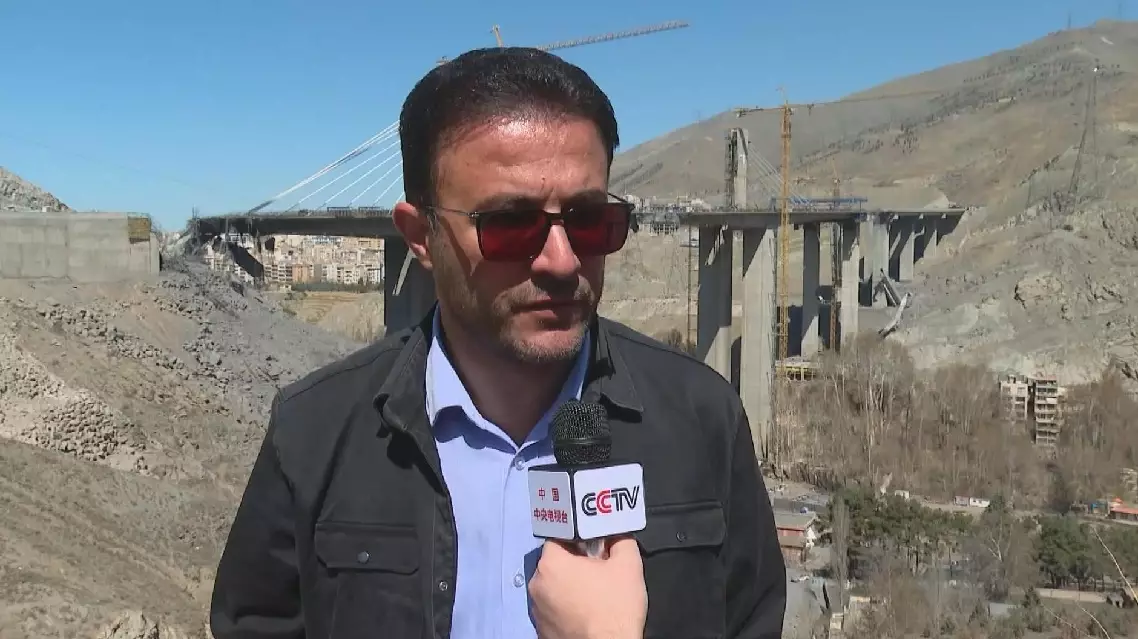
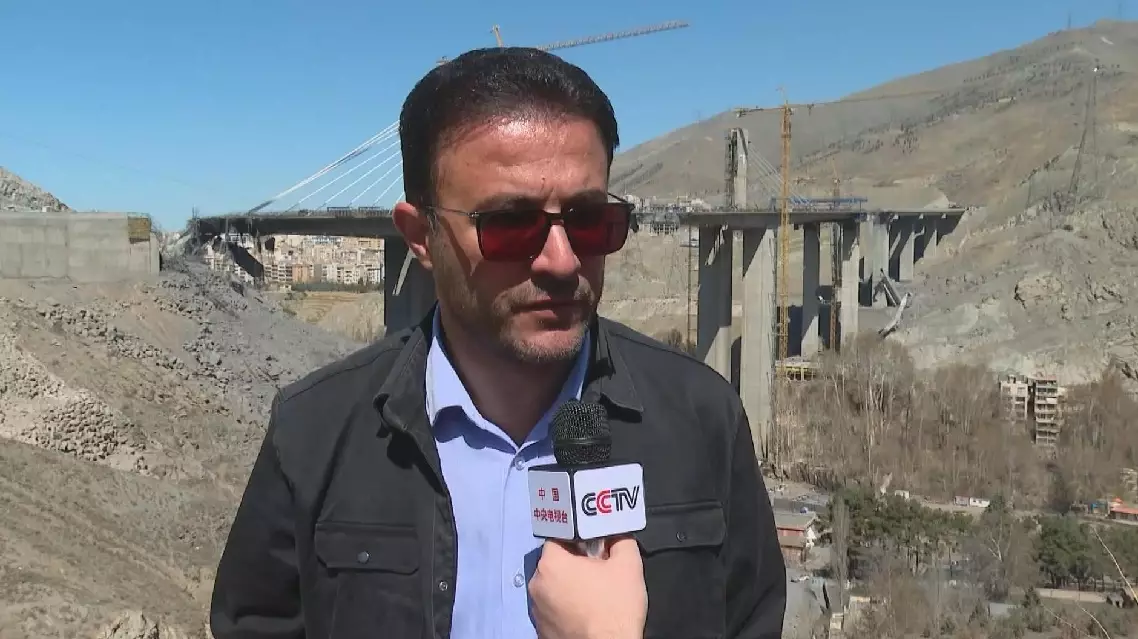
Rahimi, head of the company in charge of the project, told China Media Group (CMG) that the project was nearing its completion with just a few meters of construction work left when it was attacked.
He said the B1 Bridge, once completed, would have significantly reduced travel time between Iran's capital Tehran and its western and northern provinces.
"For this bridge, all its design, engineering and construction, were done or being carried out from scratch by Iranian engineers. It's a project that carries very special meaning and will play a very important role in our country's transportation. Unfortunately, it also became one of the targets. I don't know why it was damaged and attacked, but as you can see, this bridge is now facing serious problems," he said.
An engineer expressed deep sorrow at the bridge's destruction.
"I feel really sad because my colleagues and I have worked day and night for two years to put all these parts together. We worked hard, shedding tears and sweat. We gave it everything. I feel very sad right now. We regarded this bridge as our own child. What I mean is, watching it being built step by step made us incredibly proud. But now, all our efforts were wasted just like that. I also feel immense grief and deep sorrow," said Yazdi, an engineer on the project.
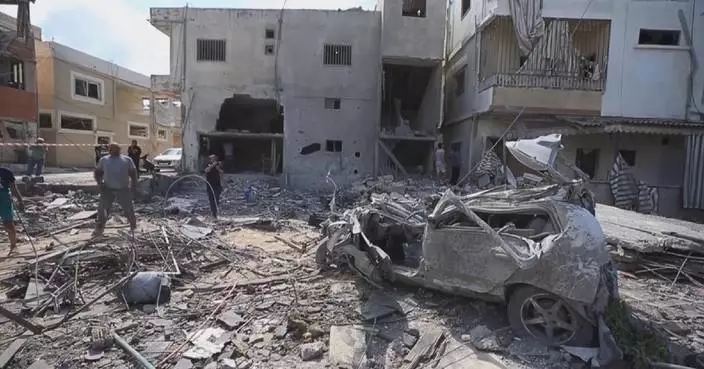
Thursday's attacks on the bridge sent shockwaves to a nearby neighborhood, shattering windows on residential buildings.
CMG footage shows thick plumes of smoke billowing into the sky following the second strike on the bridge.
"Today I went from my home to a park nearby. I saw that the windows of the houses along the street were all shattered. The shockwaves shook us so hard that we staggered. Debris flew into our yard. Fortunately, there was no one in the yard. We were all terrified and shaking all over. The shockwaves were so violent that it left our street with broken windows everywhere," said Shiraz, a resident of Karaj who lives near the bridge.
U.S.-Israeli strikes destroy landmark bridge in Iran's Karaj
U.S.-Israeli strikes destroy landmark bridge in Iran's Karaj