Chinese car maker SAIC Motor on Wednesday said that it plans to file a lawsuit at the Court of Justice of the European Union (CJEU) challenging the decision made by the European Commission to impose definitive countervailing duties on Chinese-made electric vehicles (EVs) for a period of five years.
SAIC Motor, which has been slapped with a duty rate of 35.3 percent by the European Commission, expressed its "deep regret" over the decision.
It is the first time that the European Commission has proactively initiated a countervailing investigation without receiving any request from EU companies or industries.
According to the carmaker, the European Commission made errors in identifying subsidies during its probe, ignored key facts and arguments presented by SAIC, and inaccurately presumed subsidy rates for several items.
The company said that the extra tariffs will only raise costs for European car buyers and impede the widespread adoption of EVs, adding that it is taking steps to adapt to trade barriers, including intensifying efforts to introduce new car models with various power systems to the European market and expanding its product lineup under the MG brand.
The China Association of Automobile Manufacturers (CAAM) said that some other Chinese NEV companies were also weighing actions to accelerate the 'direct investment model' by opening operations in Europe, like another Chinese EV giant BYD.
In April 2017, BYD opened its first European electric bus factory in the northern Hungarian city of Komarom.
In December 2023, BYD announced the construction of a new energy vehicle production base in Szeged, also in Hungary. The factory is expected to be operational within three years and create thousands of jobs locally.
"In the future, China's NEVs can employ a strategy of direct investment to deeply cultivate key markets while expanding into others, gradually establishing Chinese automotive brands and bringing the best Chinese NEVs products to consumers worldwide," said Xu Haidong, deputy chief engineer of the CAAM.
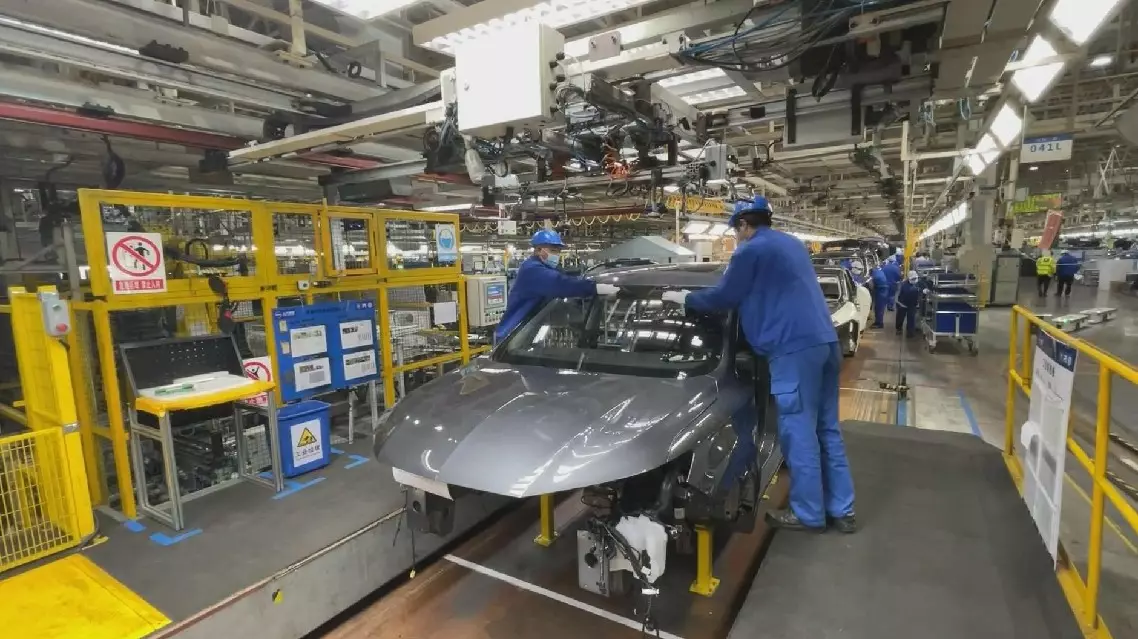
Chinese automaker to file lawsuit challenging EU's EV tariff ruling