Skip to Content Facebook Feature Image

Nobel Laureate shares story of discussing future of science with Tesla CEO Musk

China

China

China

Nobel Laureate shares story of discussing future of science with Tesla CEO Musk

2024-11-01 17:30 Last Updated At:11-02 00:47

Nobel laureate in Physics Samuel Chao Chung Ting recalled his memorable meeting with Tesla CEO Elon Musk, praising the entrepreneur's carefulness and his spirit of exploration for science and technology.

Samuel Ting is a world-renowned Chinese-American physicist. He received the Nobel Prize in 1976 for his pioneering work in the discovery of a new particle.

Ting shared his story with Musk during a recent television interview in Beijing, and said that Musk has shown a keen interest in the use of atomic energy in space.

"He (Elon Musk) asked a few questions when he was there. The first one was, can nuclear power get us to Mars? I showed him my experimental work, which is being rolled out in space to understand the formation of the universe. I told him we have mounted a large module consisting of 650 microprocessors in space, he asked how we protect those microprocessors from radiation in space, if there is any. I explained to him how we detect [radiation] on the ground. He paid attention to every detail," said Ting.

Ting also shared an interesting interaction between him and Musk outside the realm of science.

"When seeing him off at my office, I said: 'After answering your questions the whole afternoon, I also have a question for you simply out of curiosity. He told me to go ahead, so I asked him when he got his first bucket of gold? He said at the age of 11. This is something amazing, I don't know what he has been through but he is exceptionally gifted. Curiosity is part of human nature that generates a motivative force pushing us forward. What can't be done today does not mean that it can't be achieved tomorrow," said the physicist.
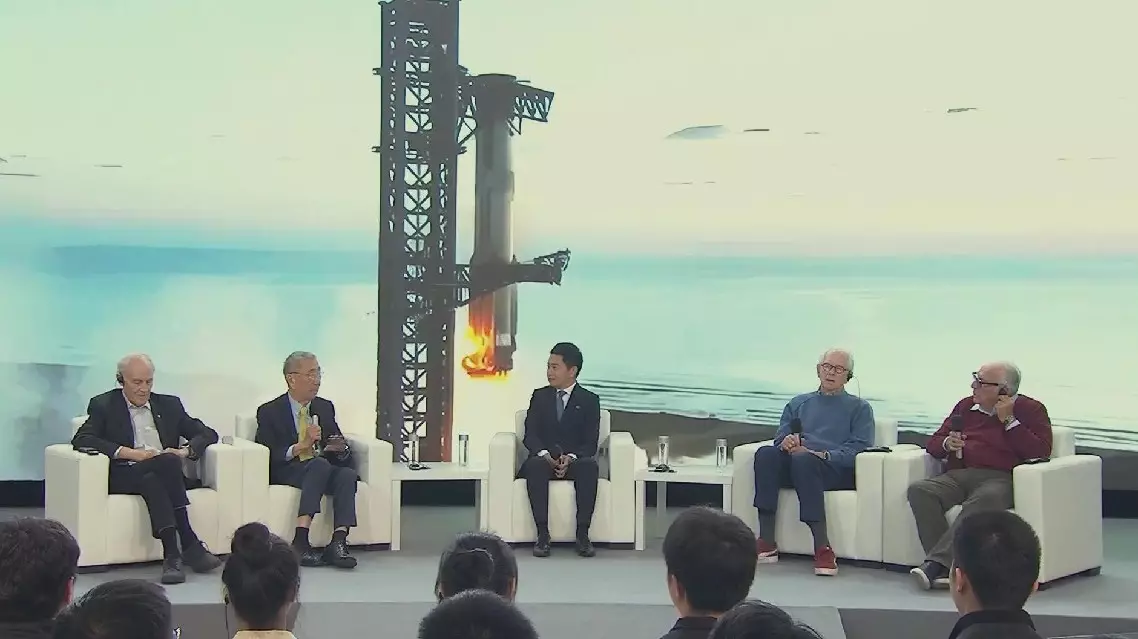
Nobel Laureate shares story of discussing future of science with Tesla CEO Musk
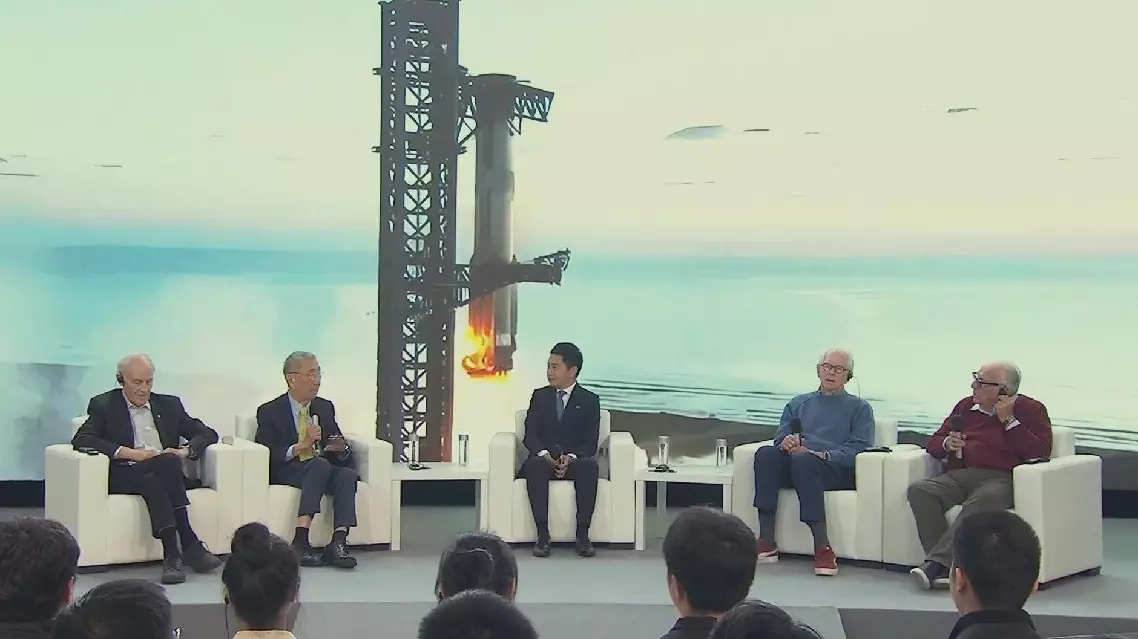
Nobel Laureate shares story of discussing future of science with Tesla CEO Musk
Nobel Laureate shares story of discussing future of science with Tesla CEO Musk
Nobel Laureate shares story of discussing future of science with Tesla CEO Musk

The U.S. decision to impose a 15 percent global tariff has cast more confusion and uncertainty for businesses and consumers, according to financial analysts.

U.S. Supreme Court ruled Friday morning in a 6-3 vote that U.S. President Donald Trump's tariff policy under the International Emergency Economic Powers Act was illegal.

Infuriated by the ruling, Trump signed an order imposing a 10 percent tariff on imports from all countries hours later. Then on Saturday he said that he will raise the new global tariff to 15 percent.

The White House said the new levy is being imposed to address "fundamental international payment problems," adding that it will stay in effect for 150 days under a section of the Trade Act of 1974.

Certain products will be exempt from that levy - including some critical minerals, beef and tomatoes. The Trump administration also said it's considering other legal avenues to impose duties.

While the Supreme Court deemed many of Trump's tariffs illegal, it did not specify a means to pursue refunds, instead leaving that issue to lower courts. That could mean protracted legal wrangling for years for U.S. importers and uncertainty over if and how consumers will see any benefit.

"I would caution consumers, business owners, from assuming that this is going to have an immediate benefit, that this is going to cause immediate lower prices. That isn't likely. What this really does is, again, cause a lot more uncertainty," said Stephen Kates, senior financial analyst with Bankrate, a consumer financial services company based in New York City.

Trump tariffs cast more uncertainty for businesses, consumers: analyst

Trump tariffs cast more uncertainty for businesses, consumers: analyst

Recommended Articles