The 16th session of the Conference of the Parties to the UN Convention on Biological Diversity (COP16) wrapped up in Cali, Colombia, on Friday night, with a historic decision on recognizing indigenous peoples' role in protecting nature.
Three major consensuses were reached at the conference, according to Maria Susana Muhamad Gonzalez, Colombia's Minister of Environment and Sustainable Development.
They are establishing a subsidiary body that will include indigenous peoples and local communities in future talks and decisions on nature conservation, recognizing the important role of African descents in the protection of nature, and drawing up work plans for local communities up to 2030.
At the conference, eight governments pledged an additional 163 million U.S. dollars to the Global Biodiversity Framework Fund (GBFF), bringing the total amount to about 400 million U.S. dollars. However, this is still far short of the billions of dollars needed to tackle plummeting global biodiversity.
Global wildlife populations have plunged on average by 73 percent in 50 years, according to the biennial Living Planet report released by the World Wildlife Fund and the Zoological Society of London in October.
The COP16 lasted 12 days, featuring 600 academic events and attracting the participation of 31,000 people, including government leaders and officials, community members, environmental experts and scholars.
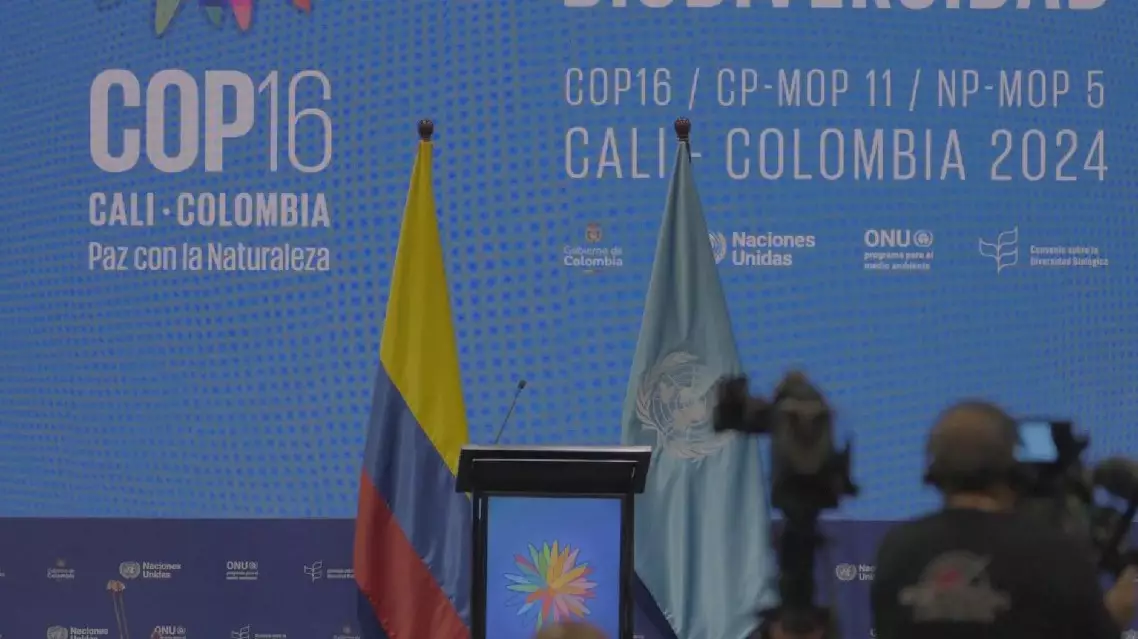
UN biodiversity conference concludes in Colombia
Japan began releasing oil from its reserves Monday to ease supply concerns amid the escalating Middle East conflict and ensure stable distribution of petroleum products, local media reported.
The country is initially releasing 15 days' worth of reserves held by the private sector, with a month's worth of government-held oil to follow, according to Kyodo News.
The Japanese government will lower the mandatory reserve requirement for oil refiners and trading firms from 70 days to 55 days, enabling them to utilize part of their existing inventories.
Last Wednesday, Prime Minister Sanae Takaichi announced the government's plans to release about 80 million barrels of oil, the largest release ever. The amount equals 45 days of domestic consumption and is 1.8 times the volume released following the devastating earthquake and tsunami that rocked northeastern Japan in 2011, Kyodo News reported.
Preparations are underway to sell oil from government-held reserves to wholesalers.
This marks the seventh time Japan has drawn on its oil reserves since the system was introduced in the 1970s. As of the end of 2025, Japan held an oil reserve equivalent to 254 days of domestic demand.
Japan relies on the Middle East for more than 90 percent of its crude oil imports, making it highly vulnerable to the effective closure of the Strait of Hormuz following the outbreak of the Middle East conflict at the end of February. The disruption has driven sharp rises in crude oil prices in the country.
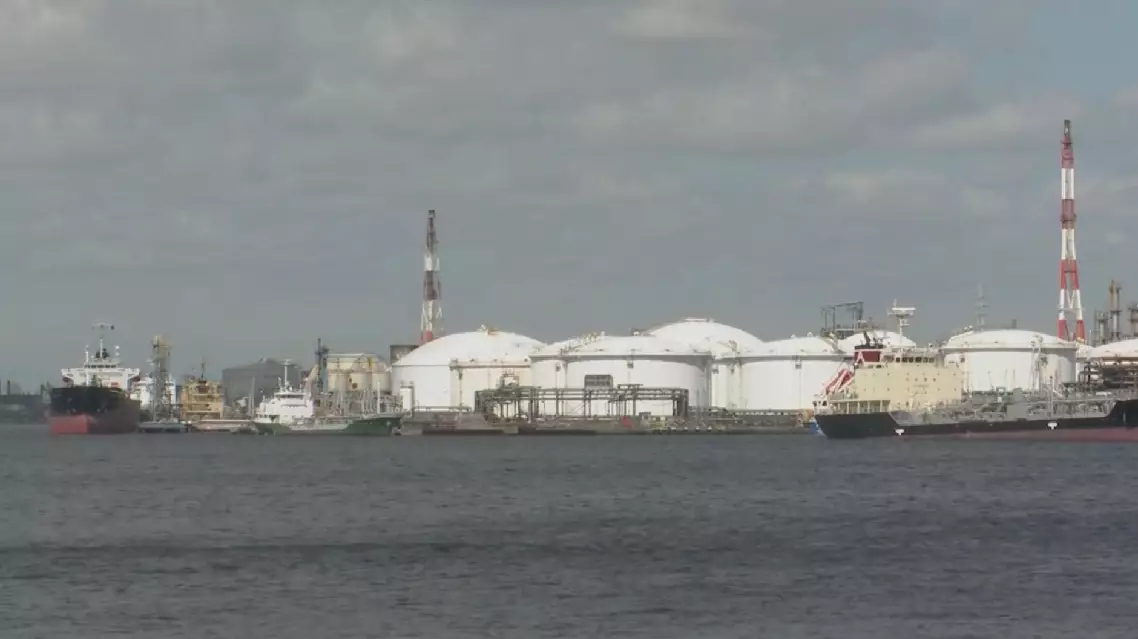
Japan begins oil reserve release amid Mideast conflict