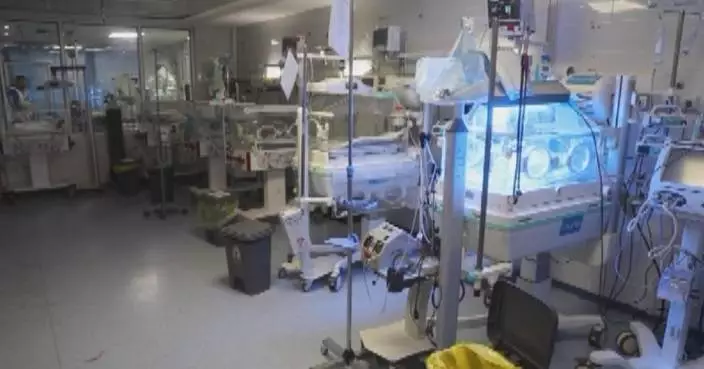
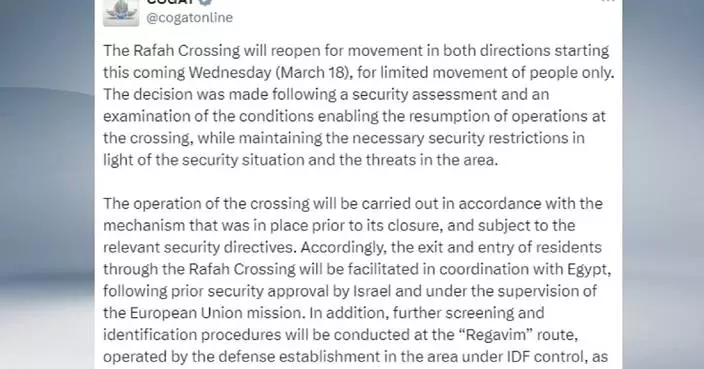
The death toll from ongoing Israeli attacks on Lebanon has risen to 850 since March 2, including 66 women, 107 children and 32 medical professionals, the Lebanese Health Ministry said on Sunday.
In its daily report, the ministry's Emergency Operations Center said 2,105 people were injured during the same period.
Meanwhile, Israeli Foreign Minister Gideon Saar said Sunday that Israel does not intend to hold direct talks with the Lebanese government in the coming days.
His remarks contradicted a Saturday report by the Israeli daily newspaper Haaretz, which said representatives from Israel and Lebanon were expected to meet for a round of talks within days amid the intensified fighting between Israel and Hezbollah. The newspaper cited two sources familiar with the matter.
Speaking to reporters during a visit to the Bedouin town of Zarzir in northern Israel, where 58 people were reportedly injured by an Iranian missile strike on Thursday night, Saar said Israel expects "the Lebanese government to take serious steps to stop Hezbollah from firing at Israel."
Regarding the war with Iran, Saar said "Israel and the United States have a shared determination to continue the fight against Iran until our goals are achieved."
He added that, contrary to several media reports, Israel has no shortage of missile interceptors.
According to the Haaretz report, the talks between Israel and Lebanon could take place in Cyprus or Paris, with U.S. involvement.
The development came amid heightened regional tensions after joint U.S.-Israeli strikes on Iran starting from Feb. 28, to which Iran and Iran-aligned groups, including Hezbollah, responded with attacks on Israeli and U.S. interests across the Middle East.
Hezbollah announced the launch of rockets from Lebanon toward Israel on March 2 for the first time since a ceasefire took effect on Nov. 27, 2024. Israel subsequently launched an offensive military campaign against the group, carrying out intensive airstrikes on multiple areas in southern and eastern Lebanon, as well as Beirut's southern suburbs.
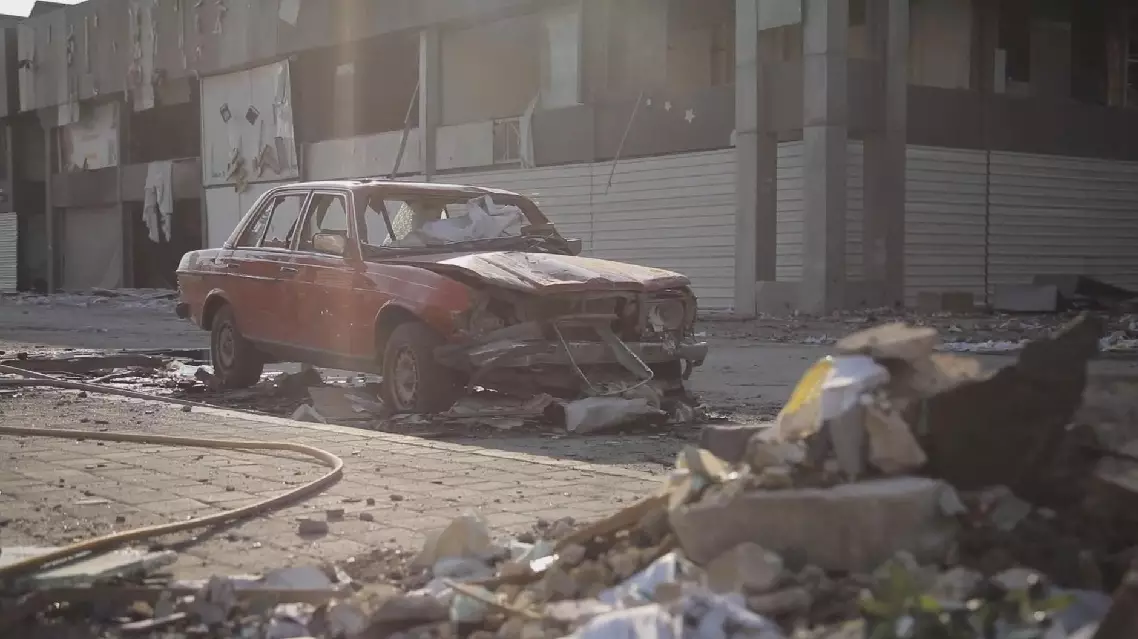
Lebanon says death toll from Israeli attacks hits 850 since March 2
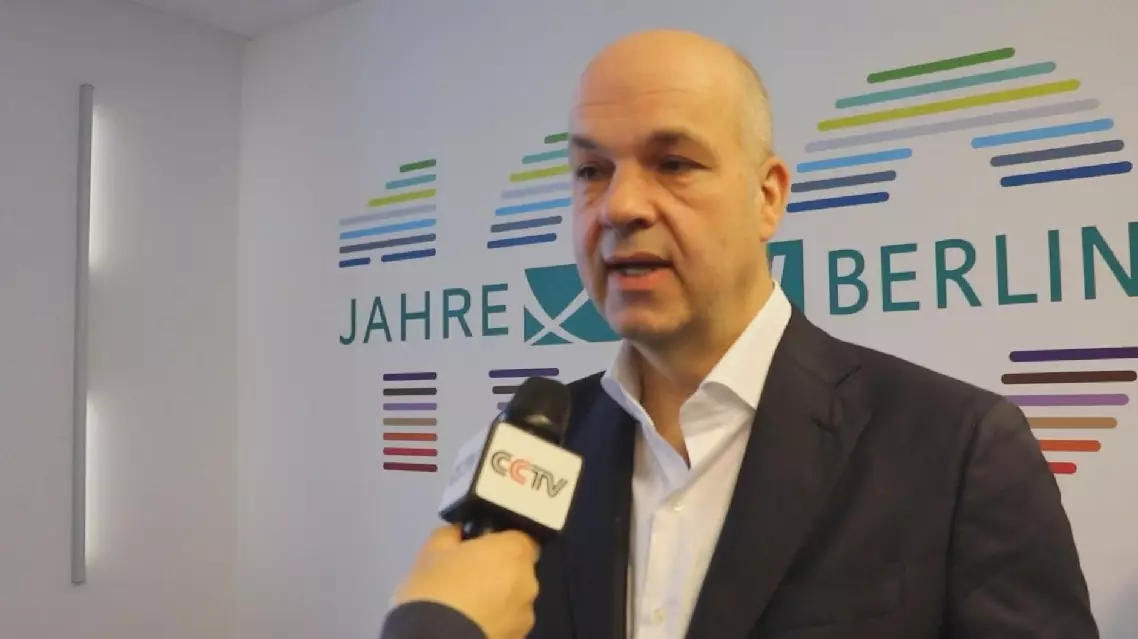
Germany's fragile economic recovery is at risk amid the surging energy costs linked to the ongoing Middle East conflict, which will potentially trigger another recession, said Marcel Fratzscher, president of the German Institute for Economic Research (DIW).
Fratzscher made the comments in a recent interview with the China Media Group (CMG) following the release of the institute's spring 2026 growth forecast for Germany.
"We are cautiously optimistic of the German economy this year. We see a clear recovery in growth, with 1.0 percent of growth expected this year and 1.4 percent next year. For Germany, these are respectable growth figures. But our great concern is the ongoing U.S.-Israeli military strikes against Iran, which could hit German industry hard through higher energy costs and rising inflation. In an extreme scenario, if the war escalates further, this could mean another recession for Germany's economy," he warned.
Fratzscher identified U.S. tariff policies and geopolitical tensions as key uncertainties for German growth, stressing that for Germany and Europe, the fate of the Strait of Hormuz matters more than the duration of the conflict.
"For the economic impact on Germany and Europe, how long the war lasts is less important than what happens with the Strait of Hormuz. Will it be reopened and remain permanently open for oil and gas exports? If that succeeds, we assume prices could fall relatively quickly, meaning we won't continue to see the high prices for oil and gas that we have now. That would be a significant relief for the European economy and also for Germany," he said.
The ongoing tensions in the Middle East have already pushed up fuel prices in Germany. As Europe's largest economy, Germany's manufacturing sector relies heavily on stable energy supplies. Persistent high energy costs risk slowing business investment and consumer spending, potentially undermining Germany's fragile economic recovery.
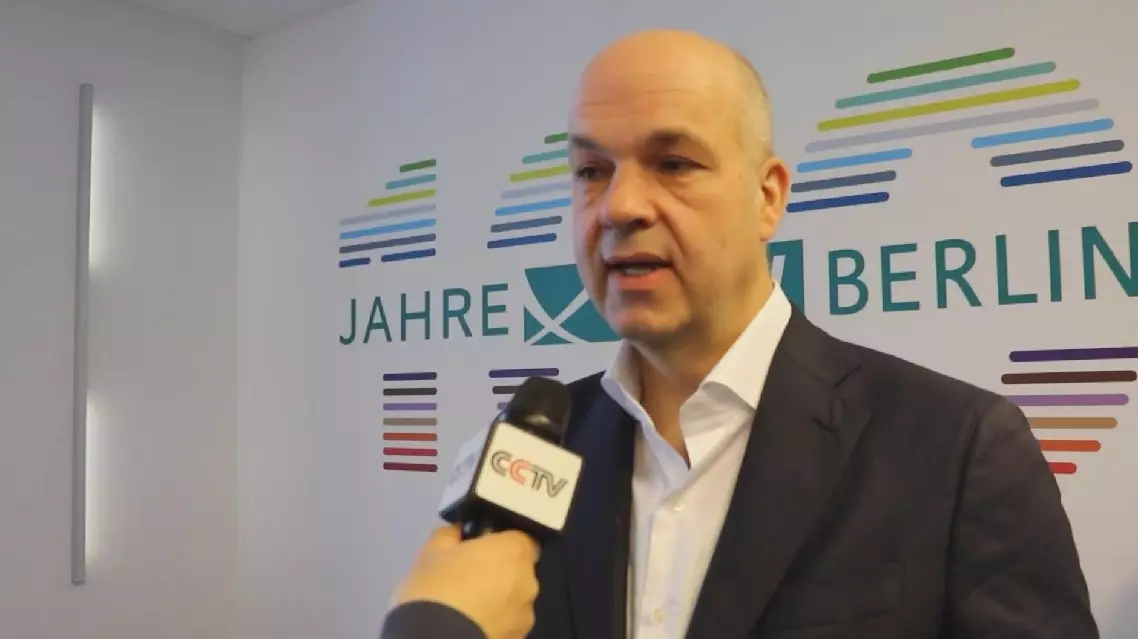
Germany's fragile economic recovery at risk amid Middle East tensions: senior economist
Germany's fragile economic recovery at risk amid Middle East tensions: senior economist
Germany's fragile economic recovery at risk amid Middle East tensions: senior economist