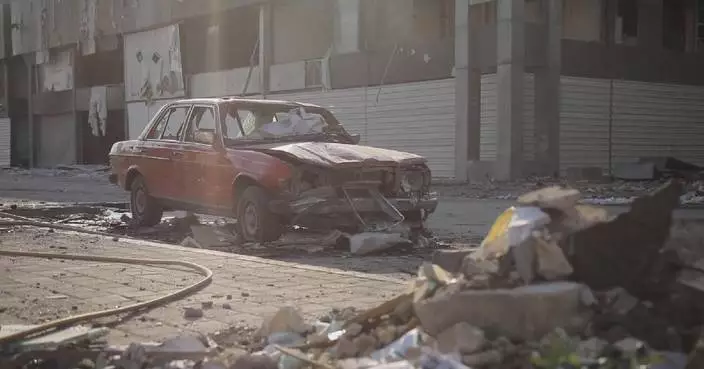
Pregnant women and newborn babies in the Gaza Strip are facing life-threatening health risks amid the shortage of basic necessities such as food, clean water and essential medicines, with doctors warning of the growing risk for them in the war-torn territory.
Shereen Al-Dabji lost her newborn last year due to severe malnutrition and the harsh living conditions in Al-Saraya displacement camp in central Gaza City.
Now eight months pregnant, she fears losing another child.
"I'm eight months pregnant and suffering from severe malnutrition. Our living conditions are extremely difficult. We live in tents, cook on fire and wash dishes on the ground," she said.
Other pregnant women in Gaza also tell a similar story.
"There is no proper nutrition for either the baby or the mother. Sometimes we can't even walk because of weakness from lack of food. We also constantly suffer from flu and coughing because we cook on open fires," said Hanan Shaaban.
Medical organizations in Gaza have warned that shortages of medicines, vitamins and medical equipment are making it harder to support pregnant women and newborns.
"There are many cases of malnutrition (among pregnant women). Vitamins and healthy food are not available, and many families cannot afford to buy them. There are also serious challenges during pregnancy," said Ola Saad, a doctor at the Palestinian Medical Relief Society.
Gazan health officials say the crisis is already affecting thousands of newborns in Gaza.
As of October 2025, 463 Palestinians had died from malnutrition, including 157 children, according to the Ministry of Health.
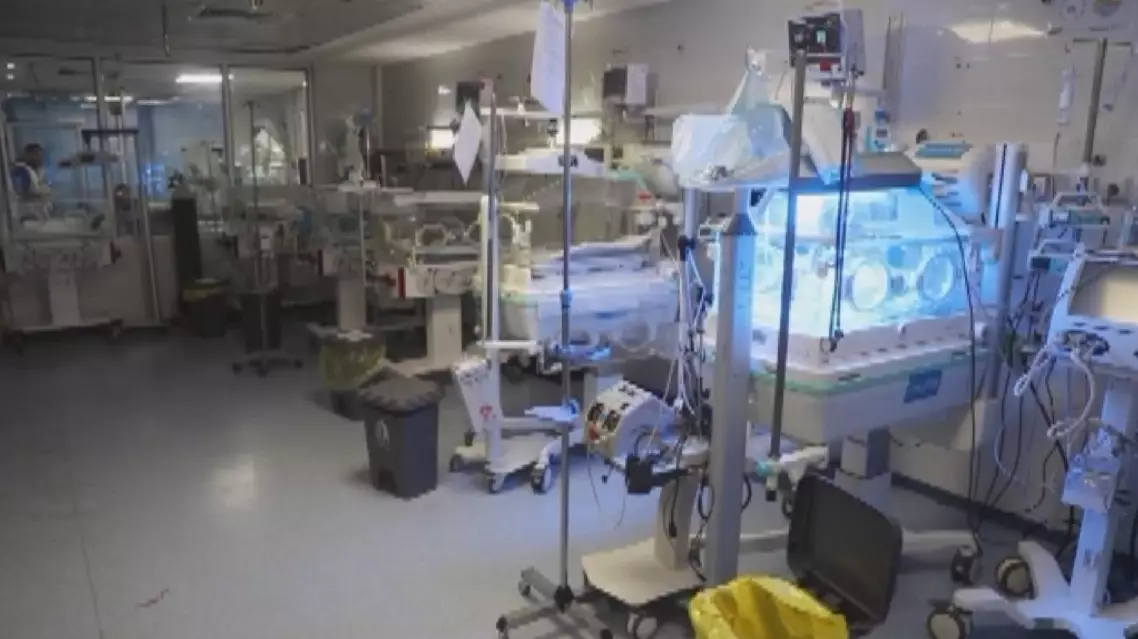
Pregnant women, newborns in Gaza face life-threatening health risks amid shortage of basic necessities
Pregnant women, newborns in Gaza face life-threatening health risks amid shortage of basic necessities
Germany's fragile economic recovery is at risk amid the surging energy costs linked to the ongoing Middle East conflict, which will potentially trigger another recession, said Marcel Fratzscher, president of the German Institute for Economic Research (DIW).
Fratzscher made the comments in a recent interview with the China Media Group (CMG) following the release of the institute's spring 2026 growth forecast for Germany.
"We are cautiously optimistic of the German economy this year. We see a clear recovery in growth, with 1.0 percent of growth expected this year and 1.4 percent next year. For Germany, these are respectable growth figures. But our great concern is the ongoing U.S.-Israeli military strikes against Iran, which could hit German industry hard through higher energy costs and rising inflation. In an extreme scenario, if the war escalates further, this could mean another recession for Germany's economy," he warned.
Fratzscher identified U.S. tariff policies and geopolitical tensions as key uncertainties for German growth, stressing that for Germany and Europe, the fate of the Strait of Hormuz matters more than the duration of the conflict.
"For the economic impact on Germany and Europe, how long the war lasts is less important than what happens with the Strait of Hormuz. Will it be reopened and remain permanently open for oil and gas exports? If that succeeds, we assume prices could fall relatively quickly, meaning we won't continue to see the high prices for oil and gas that we have now. That would be a significant relief for the European economy and also for Germany," he said.
The ongoing tensions in the Middle East have already pushed up fuel prices in Germany. As Europe's largest economy, Germany's manufacturing sector relies heavily on stable energy supplies. Persistent high energy costs risk slowing business investment and consumer spending, potentially undermining Germany's fragile economic recovery.

Germany's fragile economic recovery at risk amid Middle East tensions: senior economist

Germany's fragile economic recovery at risk amid Middle East tensions: senior economist

Germany's fragile economic recovery at risk amid Middle East tensions: senior economist