The Spanish region of Valencia is reeling from devastation wrought by the country's deadliest floods in decades, with the government ordering the largest peacetime military deployment while rescuers continuing their desperate search for survivors.
Heavy downpours that started on Tuesday triggered deadly flash floods across southern and eastern Spain, claiming at least 211 lives as of Saturday. The eastern region of Valencia, where the situation is most severe, reported 208 deaths, according to official figures.
Prime Minister Pedro Sanchez announced on Saturday the deployment of an additional 5,000 soldiers and 5,000 police and Civil Guards to the worst-hit areas. Although the 2,000 troops already in the areas have carried out 4,500 rescues and helped more than 30,000 people, Sanchez said "these numbers are insufficient," because there are "still many places to reach."
In Valencia, the search for missing persons continues, with people's worst nightmares coming true, but also some miraculous tales of survival.
In an underground car park in Benetusser town, neighbors were trying to pump out the water, fearing that individuals may be trapped inside their vehicles. While hopes of recovering them alive are dimming, locals told China Global Television Network (CGTN) that in another part of Valencia, one woman was rescued from her car after three days.
They estimate that between 1,000 and 2,000 people may still be unaccounted for, though officials have declined to confirm these figures. The emergency military service and civil guard are going street to street to try and find the bodies. In many cases it isn't emergency services but family, friends and neighbors who find the casualties.
Post-flood clean-up operations have already begun, with the disaster still in a critical phase, as more rains were forecast on Sunday.
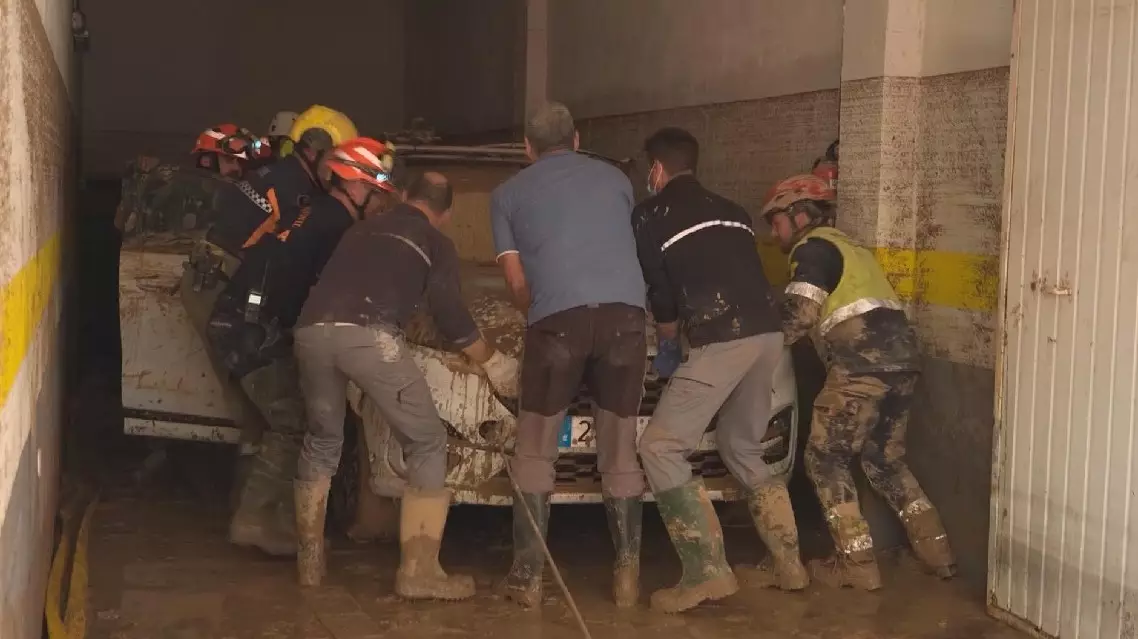
Rescue, clean-up underway following Spain's deadliest floods in decades
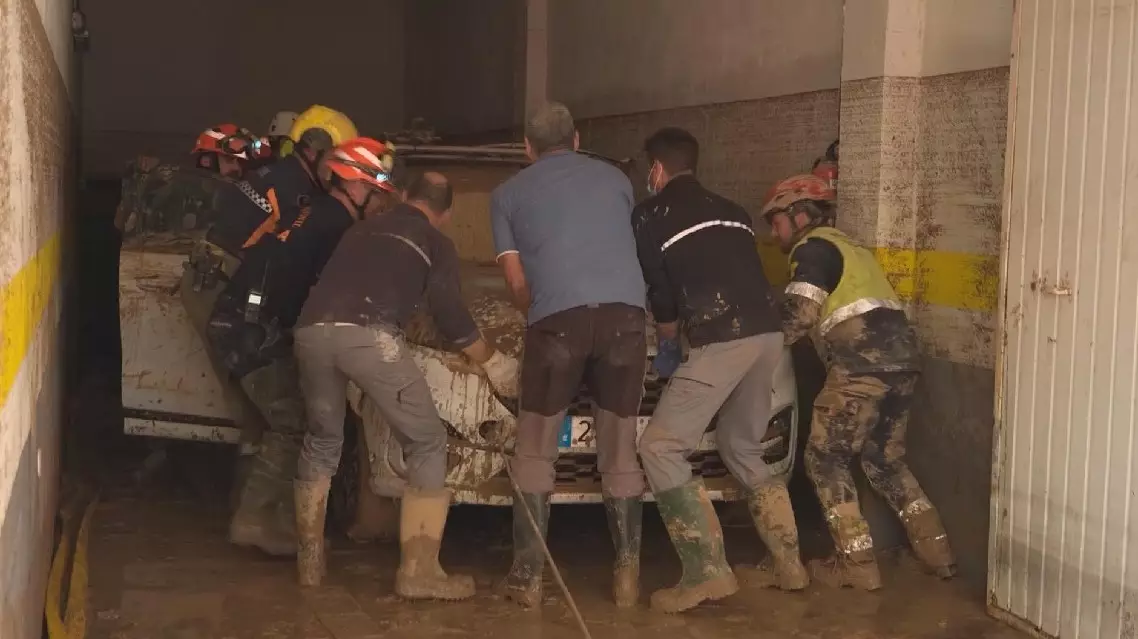
Rescue, clean-up underway following Spain's deadliest floods in decades
South Africa's sugarcane sector, a cornerstone of the country's agriculture, stands ready to further integrate into the vast Chinese market as the zero-tariff policy for African countries officially takes effect.
China's Customs Tariff Commission of the State Council announced Tuesday that from May 1, 2026 to April 30, 2028, the country will grant zero-tariff treatment to 20 African countries that have established diplomatic ties with China and are not classified as the least developed countries.
This follows the country's earlier decision to grant zero-tariff treatment on 100 percent of tariff lines, effective from Dec 1, 2024, for the 33 least developed African countries with which it maintains diplomatic relations.
In effect, the zero-tariff treatment has been expanded to cover all 53 African countries that maintain ties with China.
In KwaZulu-Natal province, one of South Africa's traditional agricultural powerhouses, local farmers are hopeful that their sugarcane products will soon reach Chinese consumers.
Pratish Sharma, a sugarcane grower in the province, has witnessed the industry endure an unprecedented winter of challenges, including volatile international prices and trade barriers. When he heard of China's zero-tariff policy, however, his hope returned.
"It'll make trading in China a lot easier. It will create a better revenue stream for exports of sugar to China. And agreements like these assist in rejuvenating our economy within the industry and making us more viable," the farmer said.
Official data shows that China has been South Africa's largest trading partner for 17 consecutive years, with bilateral trade exceeding 53.5 billion U.S. dollars.
Yet, the country's agricultural products currently account for only 0.4 percent of China's total agricultural imports, indicating huge growth potential.
Kulani Siweya, market and trade policy director at the South African Sugar Association, sees greater opportunity ahead for the country's roughly 25,000 registered sugarcane growers.
"Main regions or destinations are the U.S., Europe. [We are] exporting about between 35,000 to 70,000 tonnes to the China market. South Africa stands ready to give you quality sweet sugar that will satisfy the Chinese palate," said Siweya.
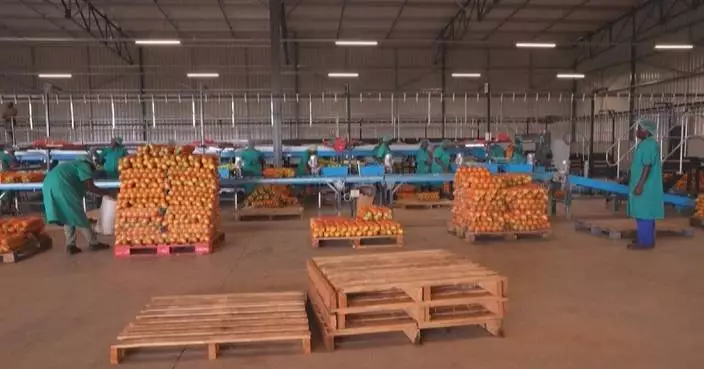
Beyond sugar, South African specialties such as citrus, macadamia nuts, wine, and other high-quality agricultural products are also expected to gain broader market access in China. This has encouraged farmers like Sharma to experiment with a wider range of crops.
"I've converted 18 hectares of sugar cane into macadamias. So that process of diversification has already begun. And with trade initiatives such as the zero-rated making all of us more sustainable and viable," Sharma said.
John Steenhuisen, South African Minister of Agriculture, said China's zero-tariff initiative will help reshape the agricultural sector.
"The tariff-free access that's been granted us is going to be a game changer for not only citrus but also for the entire agricultural sector. We're now going to be able to compete with excellent quality wines and other agricultural goods in that market in a far more competitive basis," said the minister.
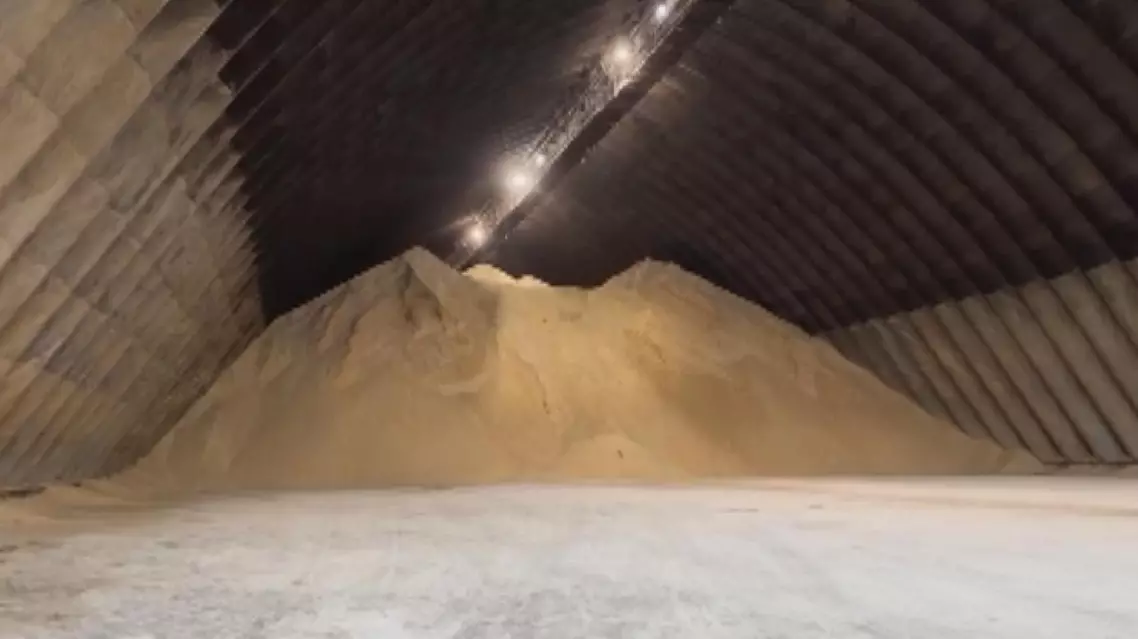
South African sugarcane growers eye sweeter exports as China's zero-tariff policy for Africa takes effect