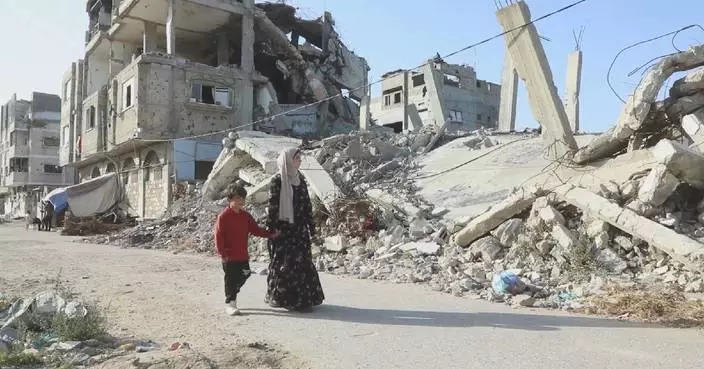
The spillover effects from the Middle East conflict are continuing to put a strain Syria's already struggling economy, with sharp price hikes and surging living costs in the capital Damascus bringing difficulties to the daily lives of local residents.
Syria has been mired in an economic crisis for well over a decade, driven by civil war, sanctions and infrastructural decay, but now the widening impact of the U.S.-Israeli war on Iran has piled more pressure on the country in recent weeks, as these external shocks compound some of the country's deep-rooted structural problems.
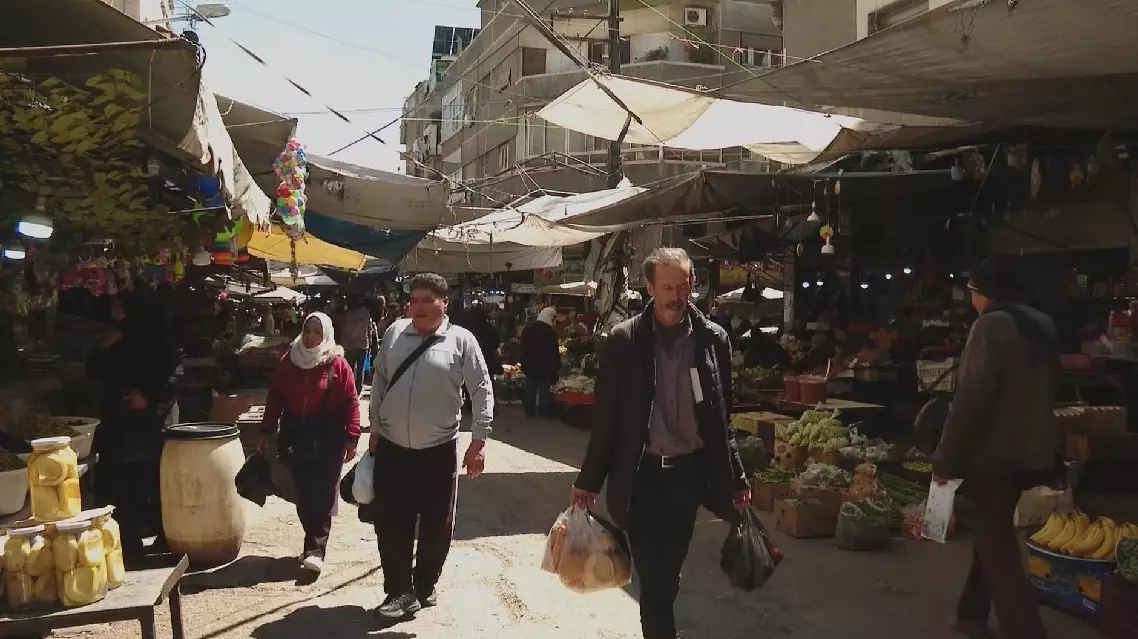
Prices of basic foods including eggs and bread continue to rise, while supplies of essentials like cooking gas remain tight as living costs in Damascus are spiraling. At one of the capital's busiest markets, stalls are stocked with everyday staples, but soaring prices have driven most customers away.
For many locals, a severe lack of job opportunities is also making things even worse, with a growing share of the population falling into unemployment.
Incomes have plunged but the cost of living keeps climbing and, for many ordinary people, just trying to get by is becoming an increasingly daunting challenge. One local resident lamented the current state of affairs.
"Nothing is sufficient anymore. Everything went up in price just two days ago -- meat, chicken, you name it. But wages are low, and 60 percent of people are out of work. Many are going hungry. Most are trapped in poverty and need help. I came back from the Gulf with 10,000 U.S. dollars, but it was all gone within six months. Now I have no income and there's no job opportunities," said the local man.
Meanwhile, higher fuel prices, disrupted cross-border trade, and worsening market expectations are directly driving up the cost of domestic goods.
This is also bringing misery to merchants and business owners, as many shopkeepers have seen a clear drop in sales as market activity is shrinking and their customers are forced to make cut-backs.
"Costs are extremely high right now. Prices of diesel, gasoline, and cooking gas are all going up. People's purchasing power has fallen by at least half. I used to sell 50 kilograms of chicken a day. Now it's 25 kilograms. Many families are cutting back. Some have stopped eating meat altogether," said Abu Khaled, a chicken shop owner.
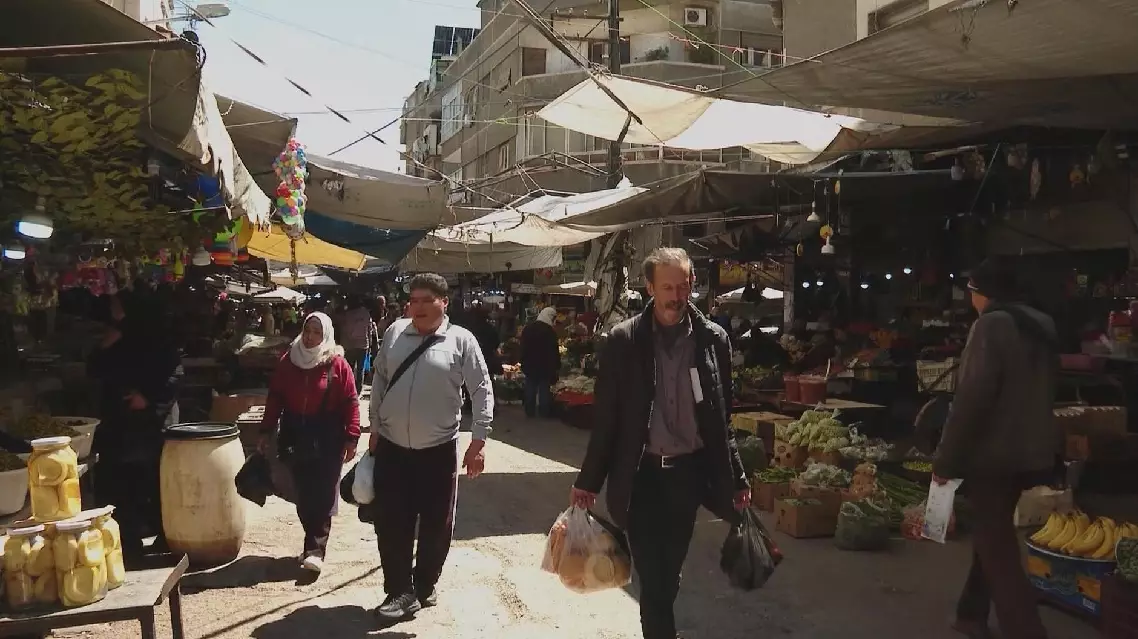
Damascus residents count costs as Middle East turmoil sends prices soaring
Damascus residents count costs as Middle East turmoil sends prices soaring