The 2024 Sino-Thai Cultural Tourism Carnival was held in Huangshan City of east China's Anhui Province, bringing diverse new rural tourism experiences to scores of residents and tourists.
The three-day festival runs from Friday to Sunday at the city's Dalingshan Tourism Resort, where ancient Huizhou architecture meets modern hospitality.
From melodious Thai music, to agile and powerful Thai boxing, to Huizhou straw dragon and fish lantern dances, more than 1,000 performers participated in what officials described as an ambitious cultural fusion experiment.
The evening performances were the festival's highlight, with Thai dancers sharing the stage with local performers wielding fish lanterns.
The fusion and collision of diverse cultural elements created a visual and auditory feast for the resort's visitors.
"The main purpose of organizing this Sino-Thai Cultural Tourism United as One Family event is to promote cultural exchanges between the two sides, allowing our traditional Huizhou culture to go out and the Thai culture to come in, and enrich tourism in the rural areas as well as the whole city," said Ji Liangli, Director of the Culture, Tourism and Sports Bureau of Huangshan's Huizhou District.
The cultural event also features 65 interactive programs, carefully curated to showcase both Thai and Chinese cultural elements.
"This weekend's event is a wonderful bridge connecting the people of Thailand and the people of China together, particularly here in Anhui Province. It's a wonderful honor for us to be here to bring together the cultures from Thailand and from China," said Prina Apirat, Thai Consul-General in Shanghai.

Cultural carnival brings Thai flair to ancient Chinese city
American residents voiced concern over U.S. military actions against Iran, pointing to the human toll abroad and rising costs at home.
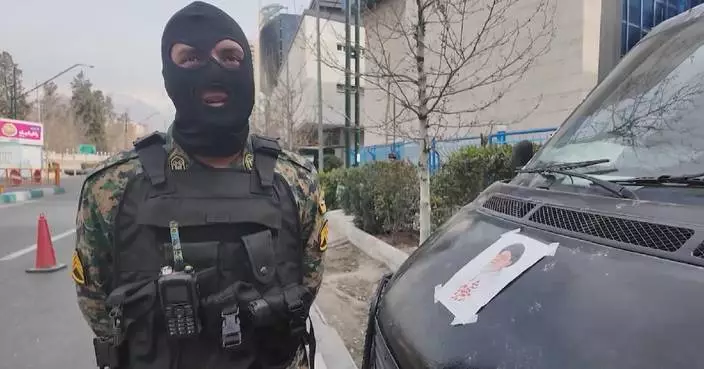
On Feb 28, Israel and the United States launched joint attacks on Tehran and several other Iranian cities. Iran's former Supreme Leader Ali Khamenei was killed, along with senior military commanders and civilians.
The strikes have not only drawn concern but also driven up living costs, with fuel prices climbing and household budgets squeezed, making the cost of war felt in everyday expenses.
Residents stressed that diplomacy, not war, should guide U.S. policy, voicing anger, fear and frustration over the strikes on Iran.
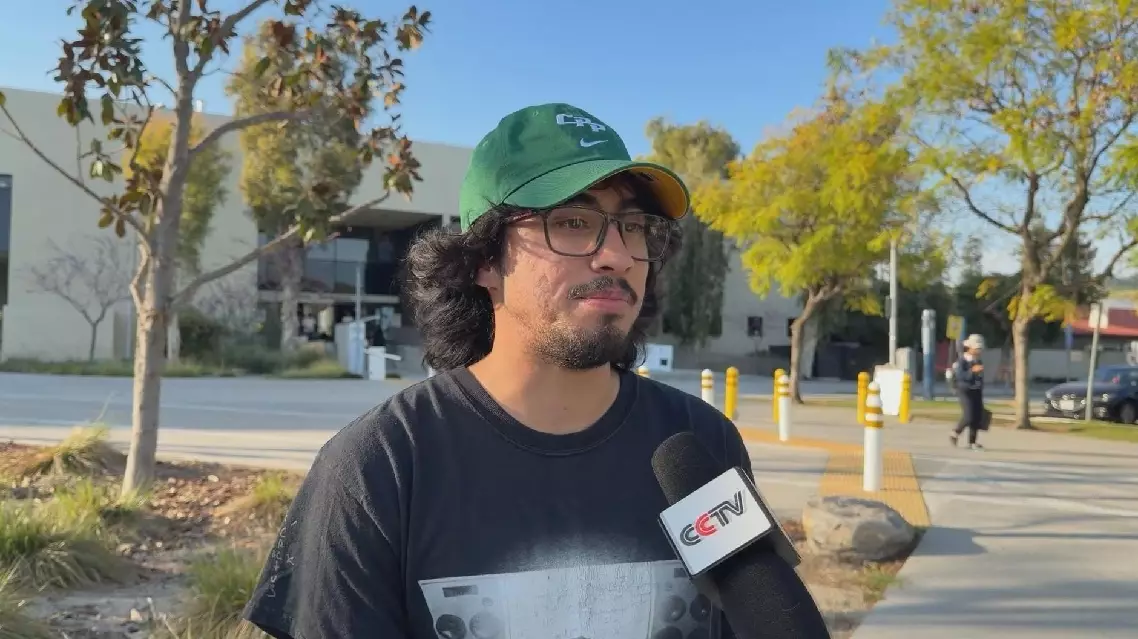
"To just know that our country is in a war. To know that this is the direction we're heading right now, there is anger. Like I said, I don't think we should be having any part in this war. There shouldn't have been a war started in the first place. And second off, I'm scared. I don't want to be in a war," said Johnny Barajas, a local resident.
"It felt kind of similar, like America's behavior, the United States' behavior, was kind of similar to what the Japanese fascist regime did. When Pearl Harbor occurred, there were Japanese officials meeting with Americans, and then they still bombed Pearl Harbor. It doesn't feel like something patriotic, something I should be proud of," said Katrina Wenninger, another resident.
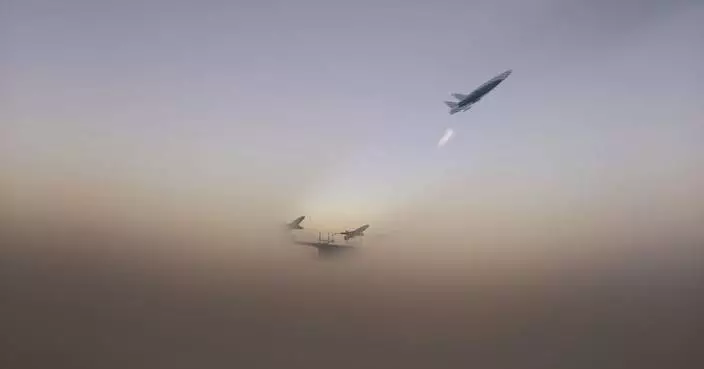
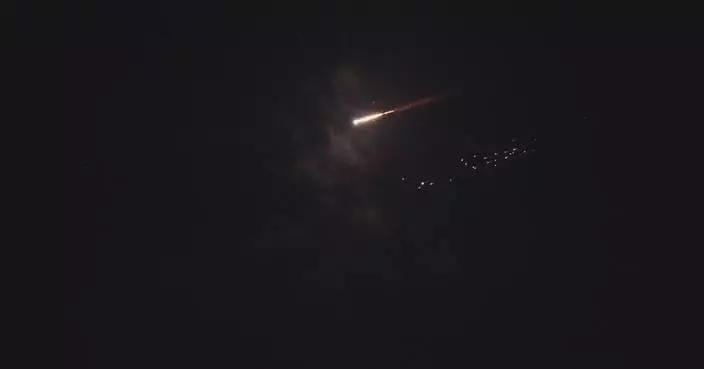
Since the attacks, wholesale oil and gas prices have surged as missile and drone strikes disrupted energy production and transport across the Middle East, adding to the strain on households. At the same time, residents' voices reflect a growing desire for peace and a rejection of violence as a way to resolve disputes.
"[I'm]not happy about it. But I would rather we hadn't gone into the war. It adds risk of potential retribution, uncertainty, and higher gas prices. It's uncertainty [about] safety, government costs, government debt, things like that. I think diplomacy is always the best bet," said David Schneider, a local resident.
"It's just all around. It's terrible. We're just in this really weird spot where we have to go about our day knowing that our tax dollars are being used for militia and for the deaths of hundreds across the globe. It's a weird space because a lot of us have this overwhelming guilt about what's happening. And so many of us Americans, we don't know how to engage in a way where we could be helping or trying to dismantle this narrative that everything that's going on is normal, which it's not," said Angela Trujillo, another resident.
Across the United States, residents say the war has brought fear into daily life and strain into household budgets, amplifying calls for diplomacy and a return to normalcy.
US strikes on Iran spark concern at home as residents urge diplomacy