Skip to Content Facebook Feature Image

It's not official yet but Mount Fuji gets its trademark snowcap after the longest delay in 130 years

News

It's not official yet but Mount Fuji gets its trademark snowcap after the longest delay in 130 years
News

News

It's not official yet but Mount Fuji gets its trademark snowcap after the longest delay in 130 years

2024-11-06 18:19 Last Updated At:18:21

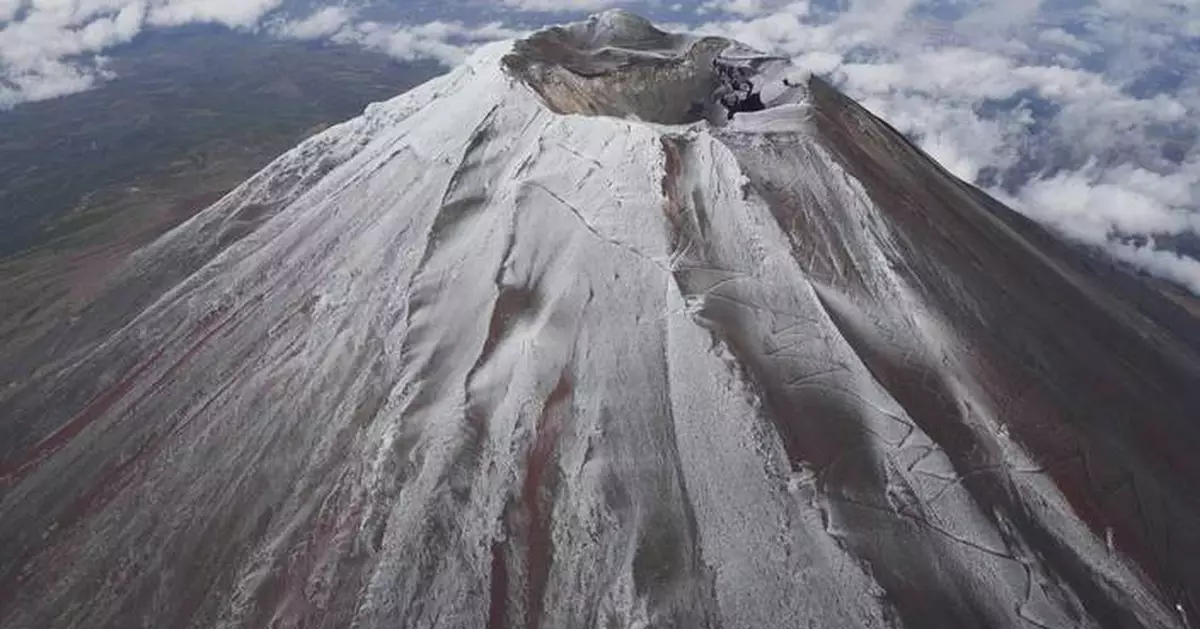
TOKYO (AP) — Japan's Mount Fuji finally got its trademark snowcap early on Wednesday, more than a month after it normally would and after setting a record for the most-delayed snowfall in 130 years.

The first snowfall on Mt. Fuji, a UNESCO World Heritage site, could be seen from the southwestern side of the mountain, according to the Shizuoka branch of the Japan Meteorological Agency.

More Images
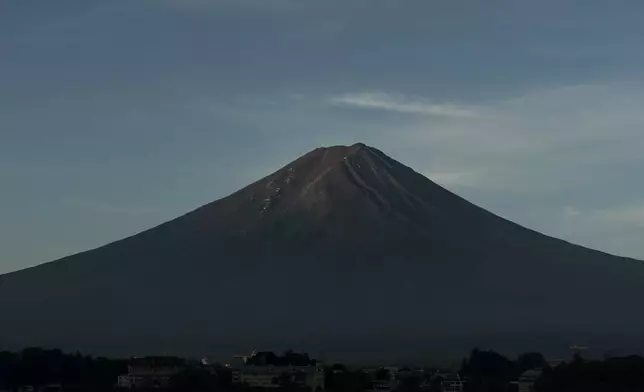
FILE - Mount Fuji in the early morning sunlight is seen from Lake Kawaguchi, Japan, on Aug. 7, 2019. (AP Photo/Jae C. Hong, File)
FILE - Mount Fuji in the early morning sunlight is seen from Lake Kawaguchi, Japan, on Aug. 7, 2019. (AP Photo/Jae C. Hong, File)

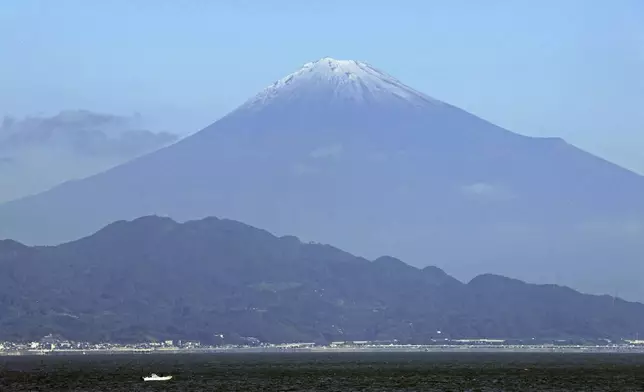
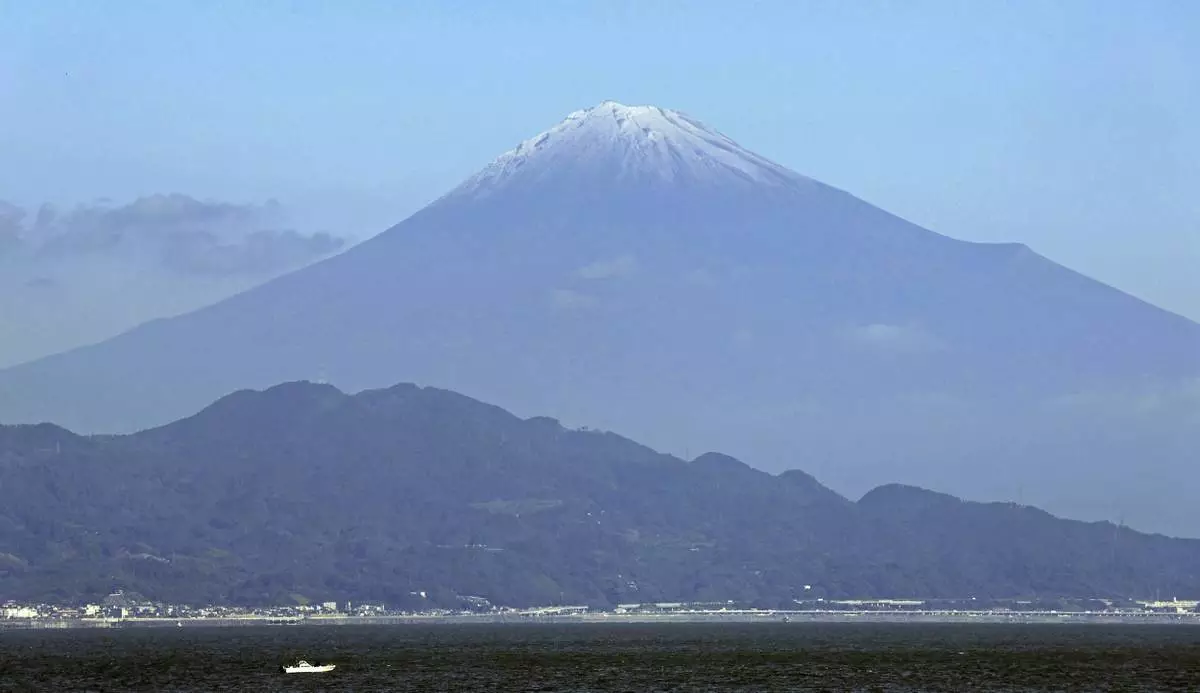
Mt. Fuji is snowcapped, seen from Shizuoka prefecture, central Japan Wednesday, Nov. 6, 2024. (Kyodo News via AP)
Mt. Fuji is snowcapped, seen from Shizuoka prefecture, central Japan Wednesday, Nov. 6, 2024. (Kyodo News via AP)

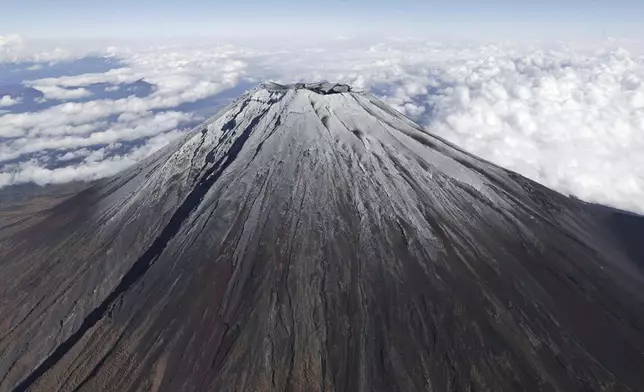
Mt. Fuji in Japan is covered with snow Wednesday, Nov. 6, 2024. (Kyodo News via AP)
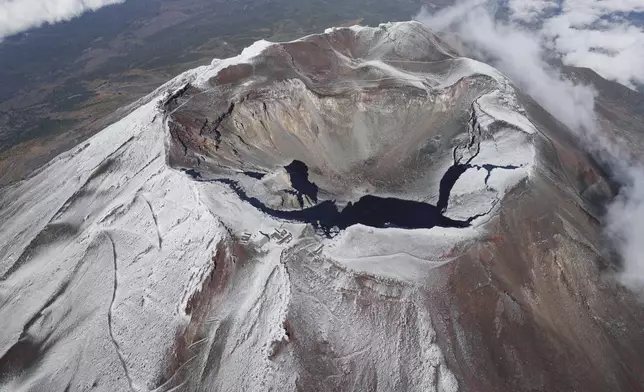
Mt. Fuji in Japan is covered with snow Wednesday, Nov. 6, 2024. (Kyodo News via AP)
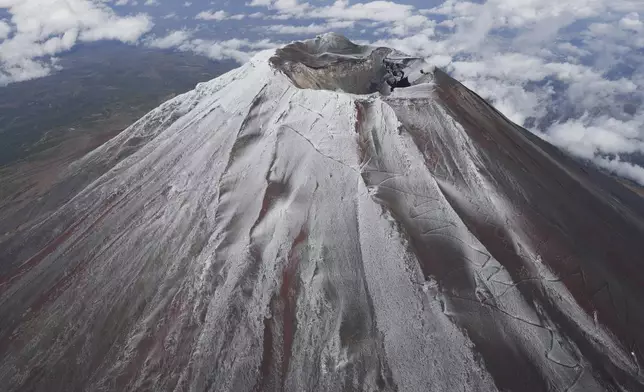
Mt. Fuji in Japan is covered with snow Wednesday, Nov. 6, 2024. (Kyodo News via AP)

Mt. Fuji in Japan is covered with snow Wednesday, Nov. 6, 2024. (Kyodo News via AP)

Mt. Fuji in Japan is covered with snow Wednesday, Nov. 6, 2024. (Kyodo News via AP)

Mt. Fuji in Japan is covered with snow Wednesday, Nov. 6, 2024. (Kyodo News via AP)

But the JMA's Kofu Local Meteorological Office, which is on the other side of the mountain and has been in charge of making the announcement since 1984, still could not see the snow due to cloudy weather — meaning it's not official yet.

The lack of snow on Mt. Fuji on Tuesday broke the previous record set on Oct. 26, 2016, meteorological officials said.

Usually, the 3,776-meter- (nearly 12,300-foot-) high mountain has sprinkles of snow falling on its summit starting Oct. 2, about a month after the summertime hiking season there ends. Last year, snow fell on the mountain on Oct. 5, according to the JMA.

The snowless Mt. Fuji has captured attention on social media. People posted photos showing the bare mountain, some expressing surprise and others concerned over climate change.

The JMA's Kofu office has cited October's surprisingly summery weather as the reason. The temperature earlier this year has been higher across Japan, including Mt. Fuji.

“Many people are waiting to see the snowcap and we've received many inquiries recently,” Kiryu said. He said clouds around the mountaintop have blocked the view since Wednesday morning, delaying the confirmation of the snowcap, but officials are continuing to try to get a peak at the first snowfall.

Kiryu said it is too early to link this year's late snowcap to global warming, noting Mt. Fuji's first snow last year was in early October, adding: “I think we need to examine data for a longer period of time to make any conclusion."

The average October temperature is minus 2 degrees Celsius (28.4 degrees Fahrenheit) at the summit, but this year, it was 1.6 C, (34.9 F), a record high since 1932.

Japan this year also had an unusually hot summer and warm autumn.

A symbol of Japan, the mountain called “Fujisan” used to be a place of pilgrimage. The mountain with its snowy top and near symmetrical slopes have been the subject of numerous forms of art, including Japanese ukiyoe artist Katsushika Hokusai's Thirty-six Views of Mount Fuji.

Today, it attracts hikers who climb to the summit to see the sunrise. But tons of trash left behind and overcrowding have triggered concern and calls for environmental protection and measures to control overtourism.

Jun Kubota, a weather forecaster and a climber who grew up in Yamanashi, one of the two prefectures that are home to Mt. Fuji, says he is concerned if this year's delayed snowfall is part of a trend.

“I wonder if the season we can enjoy the snow is getting shorter, not just at Mt. Fuji but also on other mountains in central Japan or on Hokkaido," Kubota said in a Zoom call. i

He noted reports of snow shortage on ski slopes in recent years. “I'm afraid there could be an impact not only on snow mountain climbing, but also winter sports in general.”

AP video journalist Mayuko Ono contributed to this report.
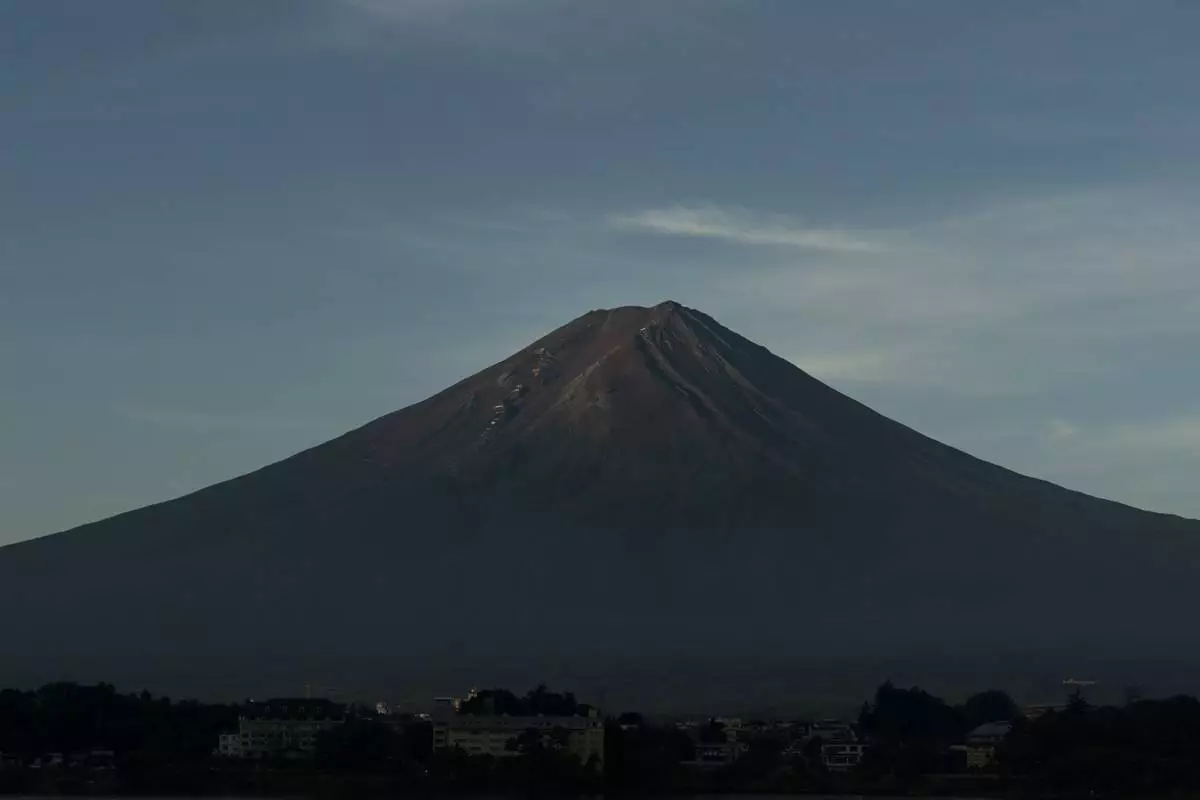
FILE - Mount Fuji in the early morning sunlight is seen from Lake Kawaguchi, Japan, on Aug. 7, 2019. (AP Photo/Jae C. Hong, File)
FILE - Mount Fuji in the early morning sunlight is seen from Lake Kawaguchi, Japan, on Aug. 7, 2019. (AP Photo/Jae C. Hong, File)

Mt. Fuji is snowcapped, seen from Shizuoka prefecture, central Japan Wednesday, Nov. 6, 2024. (Kyodo News via AP)
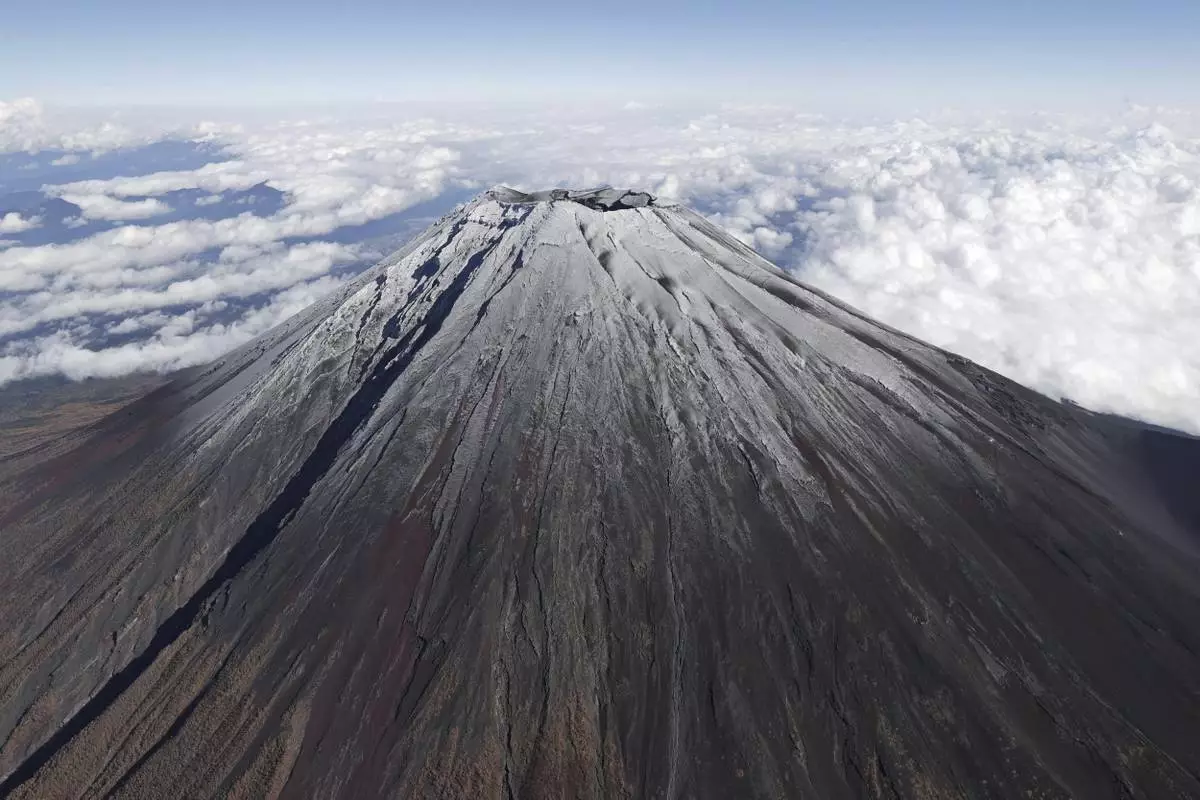
Mt. Fuji is snowcapped, seen from Shizuoka prefecture, central Japan Wednesday, Nov. 6, 2024. (Kyodo News via AP)

Mt. Fuji in Japan is covered with snow Wednesday, Nov. 6, 2024. (Kyodo News via AP)
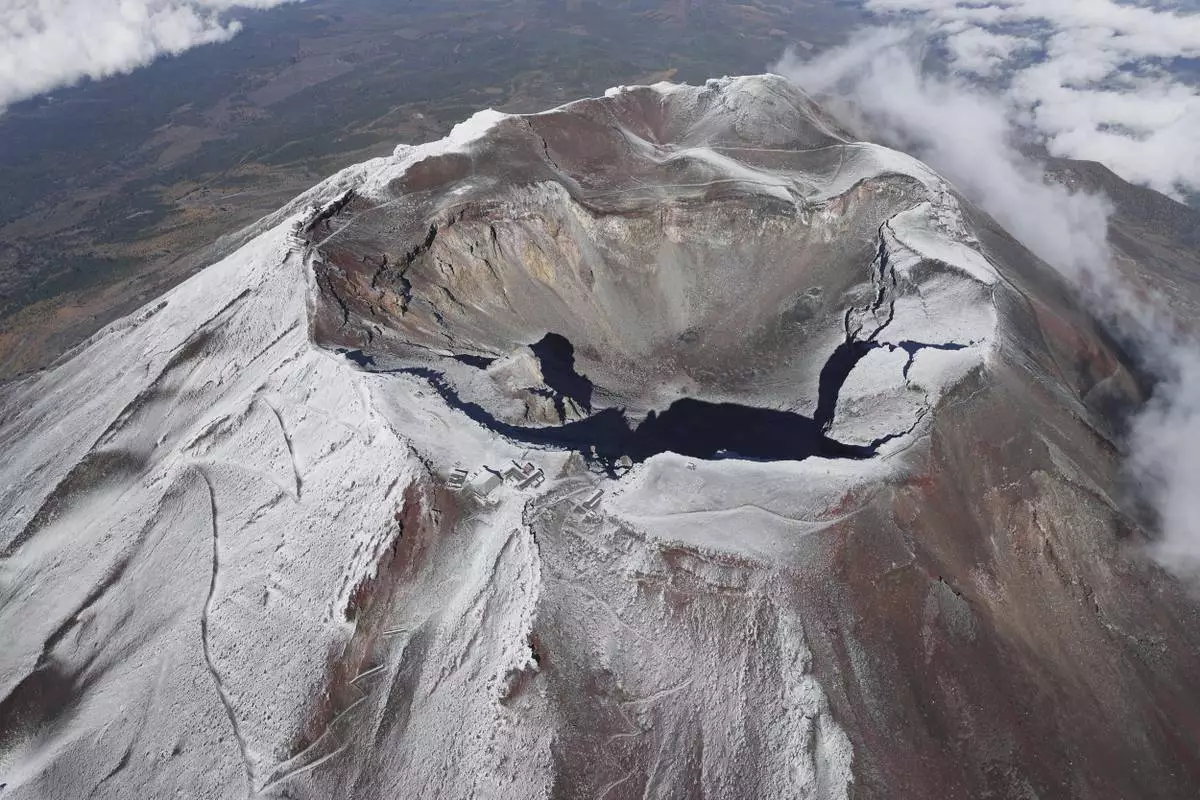
Mt. Fuji in Japan is covered with snow Wednesday, Nov. 6, 2024. (Kyodo News via AP)
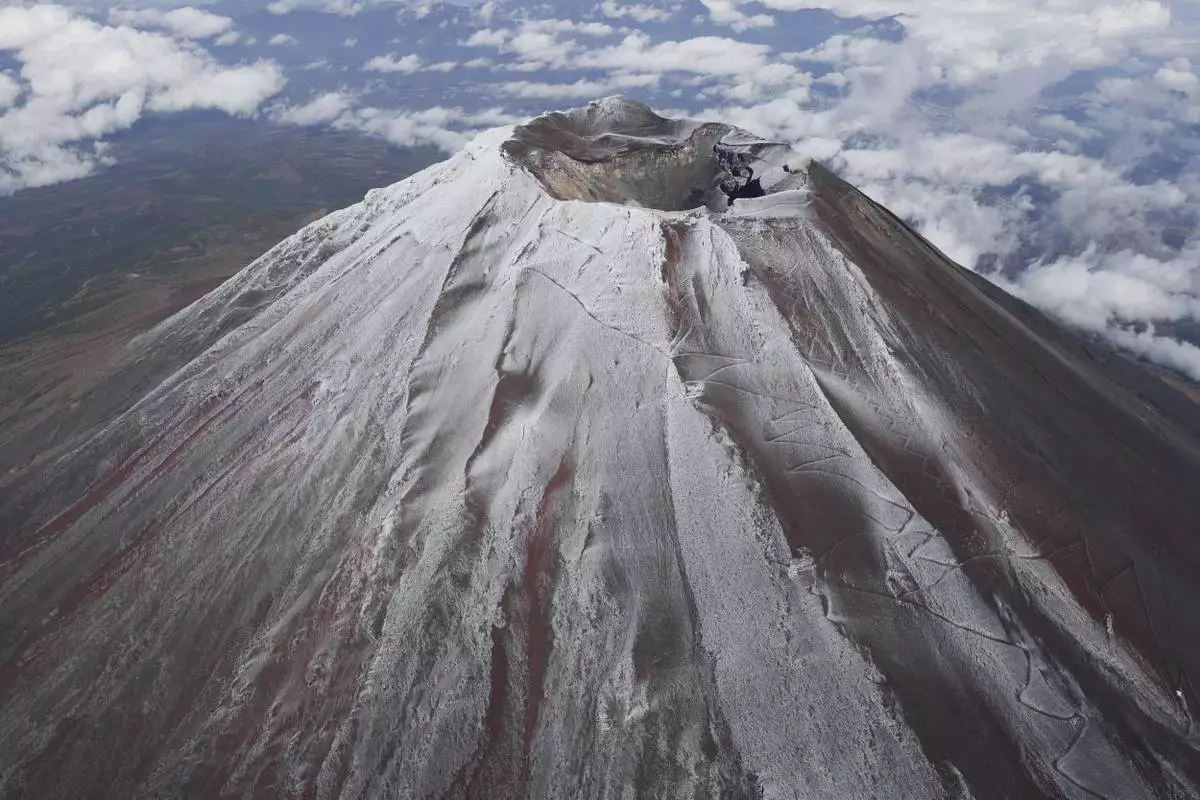
Mt. Fuji in Japan is covered with snow Wednesday, Nov. 6, 2024. (Kyodo News via AP)

Mt. Fuji in Japan is covered with snow Wednesday, Nov. 6, 2024. (Kyodo News via AP)

Mt. Fuji in Japan is covered with snow Wednesday, Nov. 6, 2024. (Kyodo News via AP)
Mt. Fuji in Japan is covered with snow Wednesday, Nov. 6, 2024. (Kyodo News via AP)

LJUBLJANA, Slovenia (AP) — Slovenia’s parliament on Friday appointed right-wing populist politician Janez Jansa as the new prime minister, in a shift for the small European Union country that was previously run by a liberal government.

Lawmakers backed Jansa in a 51-36 vote in the 90-member assembly. The new prime minister will need to come back to Parliament within the next 15 days for another vote to confirm his future Cabinet.

Jansa's appointment concludes a postelection stalemate in Slovenia after a parliamentary ballot two months ago ended practically in a tie. Former liberal Prime Minister Robert Golob's Freedom Movement won by a thin margin but he was unable to muster a parliamentary majority.

Jansa and his populist Slovenian Democratic Party signed a coalition agreement this week with several right-wing groups. The new government also has the backing of a nonestablishment Truth party that first emerged as an anti-vaccination movement during the COVID-19 pandemic.

The new term in office will be the fourth for the veteran Slovenian politician. Jansa, 67, is an admirer of U.S. President Donald Trump and was a close ally of former populist Hungarian Prime Minister Viktor Orbán, who was defeated in a landslide election last month.

Jansa in a speech listed the economy, fight against corruption and red tape, and decentralization as key goals of the future government. He has promised to lower taxes for the rich and support private education and healthcare.

Critical of the previous government's alleged “inefficiency," Jansa said the new government will turn Slovenia into “a country of opportunity, prosperity and justice, where each responsible citizen will feel safe and accepted."

Like Orban, Jansa was staunchly anti-immigrant during the huge migration wave to Europe in 2015. Also like Orban, Jansa has faced accusations of clamping down on democratic institutions and press freedoms during a previous term in 2020-2022. This led to protests at the time, and scrutiny from the European Union.

Golob in his speech described Jansa as “the greatest threat to Slovenia’s sovereignty and democracy."

Alleging that Jansa had threatened to arrest him, Golob said Jansa's "idea of democracy is that anyone who dares speak a word against you deserves only the worst.”

Jansa, a supporter of Israel, also has been a stern critic of the Golob government's 2024 recognition of a Palestinian state.

The vote on March 22 was marred by allegations of foreign influence and corruption. The around 2 million people in the Alpine nation are deeply divided between liberals and conservatives.

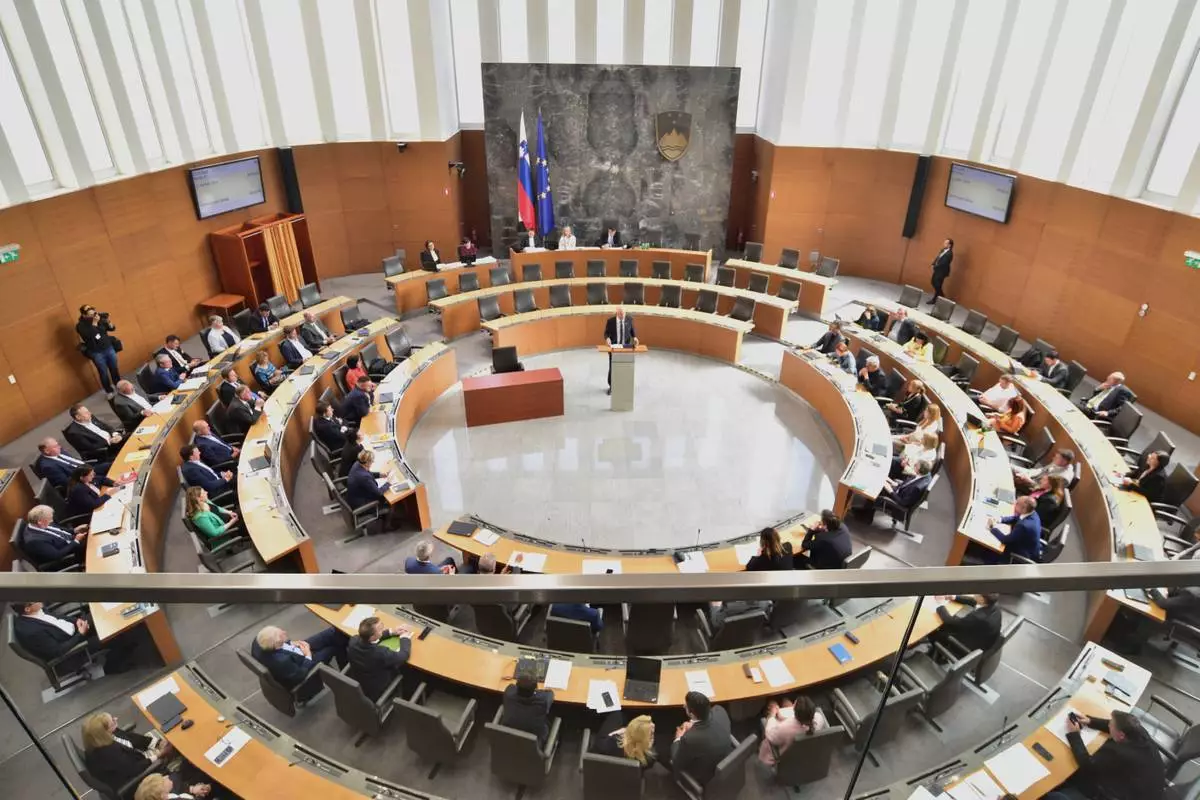
Janez Jansa, center, addresses the Slovenian Parliament during a session in Ljubljana, Slovenia, Friday, May 22, 2026, before appointing him as prime minister, ending a political deadlock after tight elections in March. (AP Photo/Igor Kupljenik)

Janez Jansa, center, addresses the Slovenian Parliament during a session in Ljubljana, Slovenia, Friday, May 22, 2026, before appointing him as prime minister, ending a political deadlock after tight elections in March. (AP Photo/Igor Kupljenik)

Janez Jansa arrives for a session of the Slovenian Parliament in Ljubljana, Slovenia, Friday, May 22, 2026, before appointing him as prime minister, ending a political deadlock after tight elections in March. (AP Photo/Igor Kupljenik)

Janez Jansa arrives for a session of the Slovenian Parliament in Ljubljana, Slovenia, Friday, May 22, 2026, before appointing him as prime minister, ending a political deadlock after tight elections in March. (AP Photo/Igor Kupljenik)

Janez Jansa addresses the Slovenian Parliament during a session in Ljubljana, Slovenia, Friday, May 22, 2026, before appointing him as prime minister, ending a political deadlock after tight elections in March. (AP Photo/Igor Kupljenik)

Janez Jansa addresses the Slovenian Parliament during a session in Ljubljana, Slovenia, Friday, May 22, 2026, before appointing him as prime minister, ending a political deadlock after tight elections in March. (AP Photo/Igor Kupljenik)

Recommended Articles