This year's "Double 11" shopping festival, China's biggest annual shopping event, has seen growing enthusiasm for trade-in programs and experience-driven products, trends that have driven youth consumption and reached even the more rural areas of the country.
In the first years after its creation in 2009, Double 11 was a frenzied spree of online consumption on Nov 11 each year. Over time, the festival has extended, evolving from a one-day shopping extravaganza into a month-long event.
Thanks to China's ongoing trade-in program for home appliances, the market for these products remains strong in November.
"During this year's Double 11, over 90 percent of county and rural areas nationwide have seen consumers participating in trade-in programs. We offer a one-stop service where consumers can get new electronic devices in exchange for their old ones," said Luo Huyi, a director for digital products at JD.com, a major Chinese e-commerce platform.
For many young consumers, Double 11 has evolved beyond a simple shopping spree into an experience-driven event, providing them with an ideal opportunity to book appealing cultural and tourism services online in advance.
From historical site tours to skiing and camping, online orders for cultural travel have seen a great rise during this shopping event. Between Oct 14 and Nov 10, online transactions for tourism products grew more than eightfold compared to the same period last year. Notably, outbound travel bookings increased more than 11 times year on year, data from China’s leading online travel agency Ctrip showed.
During the shopping festival, toys that help with emotional well-being, like cute stuffed animals and creative building-block toys, have also become more popular among young consumers.
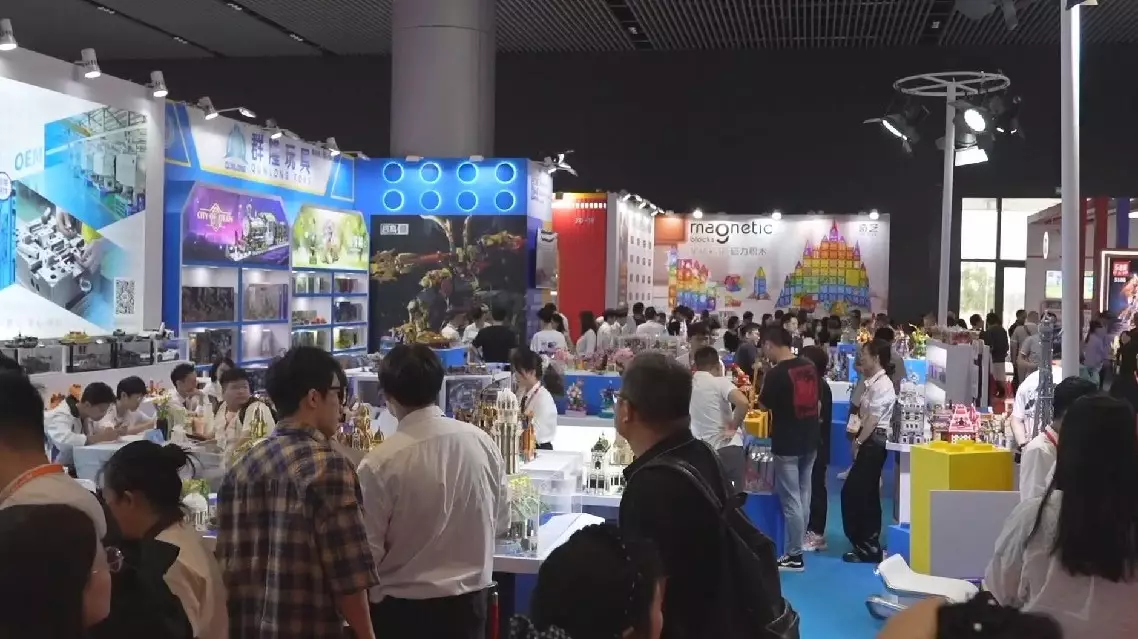
China's "Double 11" shopping festival sees trends in trade-ins, experience-driven consumption
As Chinese-made new energy vehicles continue to power ahead and take the world by storm, the answer to what makes the country's smart manufacturing power strong enough to lead global auto production can be found in the electric vehicle (EV) HyperFactory of Chinese electronics maker Xiaomi.
The tech giant, better known for its smartphones and home appliance products, marked its bold foray into the auto market in 2021, when it set up a state-of-the-art factory in the Being Economic-Technological Development Area, also known as Beiing E-Town -- a key innovation hub for China's autonomous driving industry.
Despite the enormous scale of this facility, there are few workers in sight, with robotic arms instead moving with precision and speed, seamlessly assembling vehicle body components.
Every single Xiaomi SU7 electric car is born in this factory, where production lines run day and night, with a new car rolling off the line every 76 seconds. More than 700 robots work in sync across these highly automated production lines. Key processes are 100 percent automated -- making this facility a true example of next-generation manufacturing.
Song Jiaqiang, a production technology director at the Xiaomi EV HyperFactory, said the plant has set a benchmark in China's push for new quality productive forces -- an initiative aiming to promote high-tech development through innovation -- thanks to its exceptional application of artificial intelligence and automated processes.
"The first thing is the incredible level of automation and intelligence in this factory. Key processes are 100 percent automated. On top of that, we've introduced an industry-first AI (artificial intelligence) quality inspection system, which boasts an accuracy rate of 99.9 percent," he said.
Inside the factory, robots operate 24-hours a day, and they don't even need human staff to maintain their battery life -- when power runs low, they autonomously locate charging stations and recharge themselves.
Beyond core process automation, even material handling is finished by autonomous mobile robots, keeping the production lines running around the clock without interruption.
"The factory is packed with over 700 industrial robots. Right here in the body shop, we're looking at a 91 percent overall automation rate," said Song.
This advanced level of automation has been the key to Xiaomi's success, speeding up operational efficiency, ensuring greater build accuracy and ultimately delivering higher quality products, as Song explains.
"Take the rear door assembly, for example. Robots handle everything, from automatically picking up the part and inserting bolts, to placing it onto the body. They then inspect both the body and the component, while simultaneously tightening and adjusting the bolts to achieve a perfect fit with minimal gaps. It's a fully automated, intelligent process that drastically reduces, or even eliminates the need for human involvement," he said.
China's world-leading prowess in the smart manufacturing looks set to continue as the Xiaomi factory aims to further boost speed and AI capabilities, while helping upgrade the performance of domestically-made equipment.
Xiaomi's EV HyperFactory offers glimpse into future of smart manufacturing