Residents in Beit Shemesh of Israel have recalled the deadly Iranian missile attack on Sunday that killed nine people and wounded dozens.
An Iranian missile struck a residential area in Beit Shemesh, obliterating a synagogue and destroying a public bomb shelter beneath it, according to local media reports.
The strike leveled homes across the neighborhood, leaving piles of shattered concrete and twisted metal, while nearby cars were reduced to wreckage.
"I was woken up by really, really, the most loudest noise of explosion that I ever heard in my life," David, a local resident, told China Media Group (CMG).
"The bomb blocked all the house here. You see, the house here," said Minash, another resident.
Preliminary investigations by Israeli authorities indicate that the construction quality of the shelters was not at fault. However, such shelters are designed mainly to protect against shockwaves and shrapnel generated after a missile impact, rather than a direct hit, according to reports.
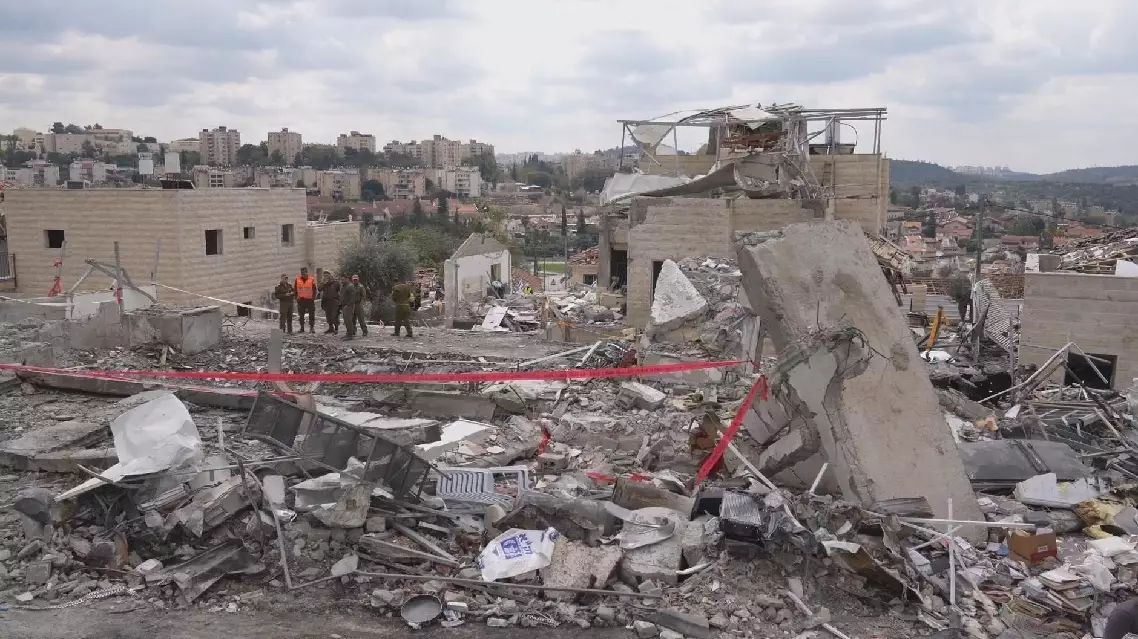
Residents recall Iranian missile attack in Israel's Beit Shemesh
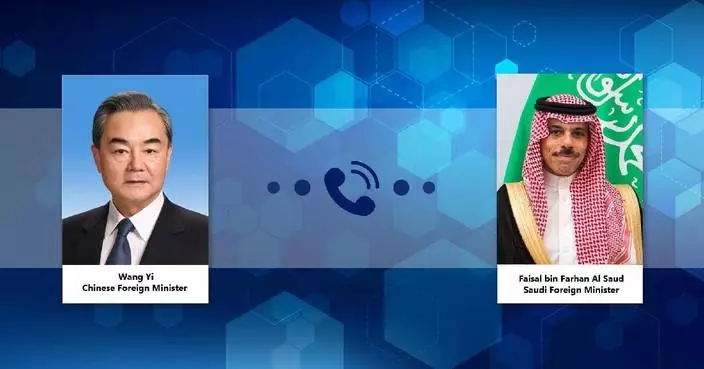
Chinese Foreign Minister Wang Yi said on Wednesday that the red line on protecting civilians in conflicts must not be crossed.
Wang, also a member of the Political Bureau of the Communist Party of China Central Committee, made the remarks in a phone conversation with Sheikh Abdullah bin Zayed Al Nahyan, deputy prime minister and foreign minister of the United Arab Emirates (UAE).
Abdullah briefed Wang on the regional situation and the UAE's position, saying the country is not a party to the war, has not participated in the current conflict, and should not be subjected to illegal attacks.
He expressed appreciation for China's consistent objective and impartial stance, adding that the UAE expects China to continue to play an active and important role in the current grave circumstances to prevent further escalation of regional tensions.
The UAE will continue to take measures to ensure the safety of Chinese personnel and institutions in the country, Abdullah said.
For his part, Wang reiterated China's principled position on the current situation in Iran, noting that the spillover of war serves no one's interests and that the people of the region would be the ones to suffer.
He stressed that non-military targets related to energy, economy and people's livelihoods should not be attacked, and that the security of shipping routes must be safeguarded.
Wang noted that the UAE had worked for peace even before the conflict broke out, and that a recent foreign ministers' meeting of the Gulf Cooperation Council emphasized that dialogue and diplomacy are the only way to overcome the current crisis and safeguard regional security, which China appreciates.
China backs the UAE's legitimate demands to safeguard its national security and supports countries in the region in their continued efforts to resolve disputes through diplomatic means, Wang said.
China will not give up hope for peace and will continue to play a constructive role, Wang said, adding that China will send its special envoy on the Middle East issue to the region to conduct mediation efforts to help bring the region back to peace and stability.
Wang also expressed hope that the UAE will continue to ensure the safety of Chinese citizens and institutions in the country.
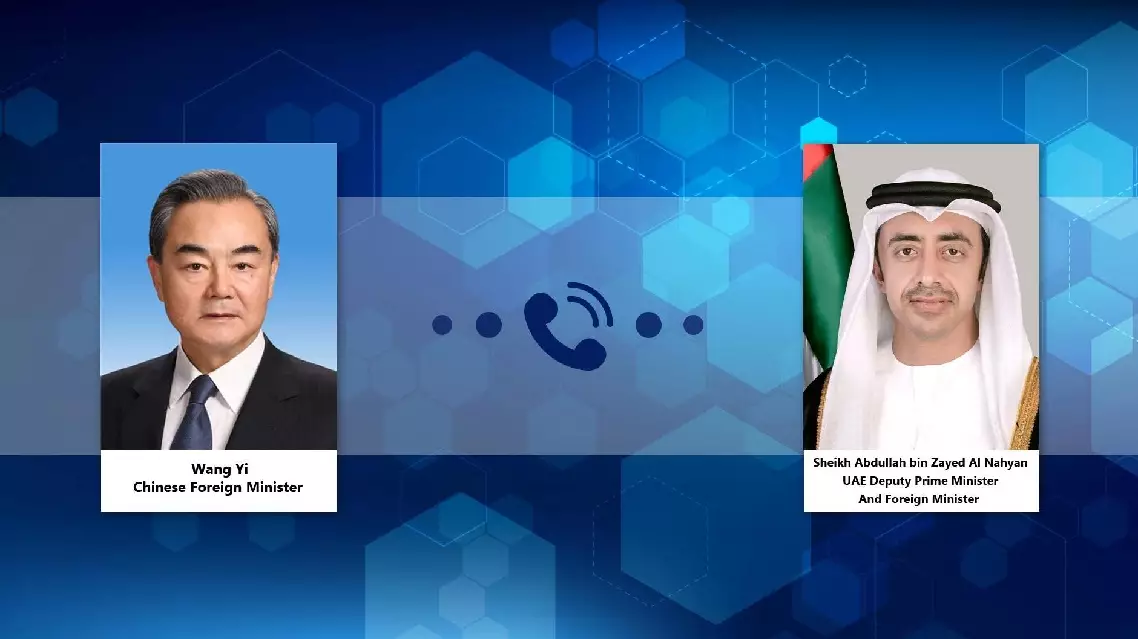
Chinese FM says red line on protecting civilians in conflict must not be crossed