The Chancay Port, a project within the Belt and Road Initiative (BRI) framework located north of the Peruvian capital Lima, will drastically cut the time and cost required for sea routes connecting South America with Asia upon its operation, said Peruvian Foreign Minister Elmer Schialer Salcedo.
Built by Chinese state-owned conglomerate COSCO Shipping, the multi-purpose port in Chancay is set to start operation by end of this year.
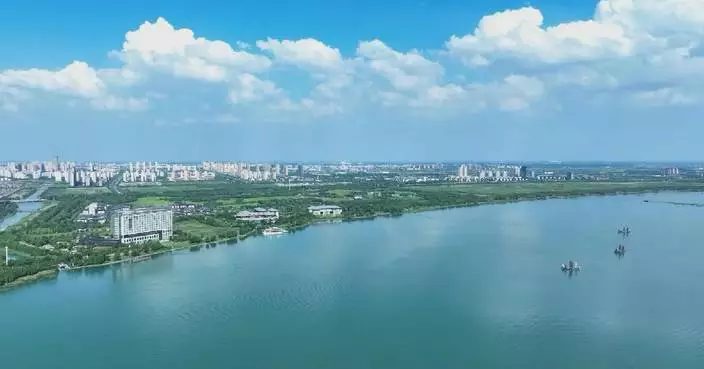
Uniquely situated in the heart of South America's Pacific seaboard, the port will be the first in the region capable of accommodating some of the world's largest cargo vessels. This monumental project is anticipated to dominate maritime traffic along the Pacific coast of South America.
During its initial phase, the port is projected to manage one million containers and six million tons of bulk cargo annually.
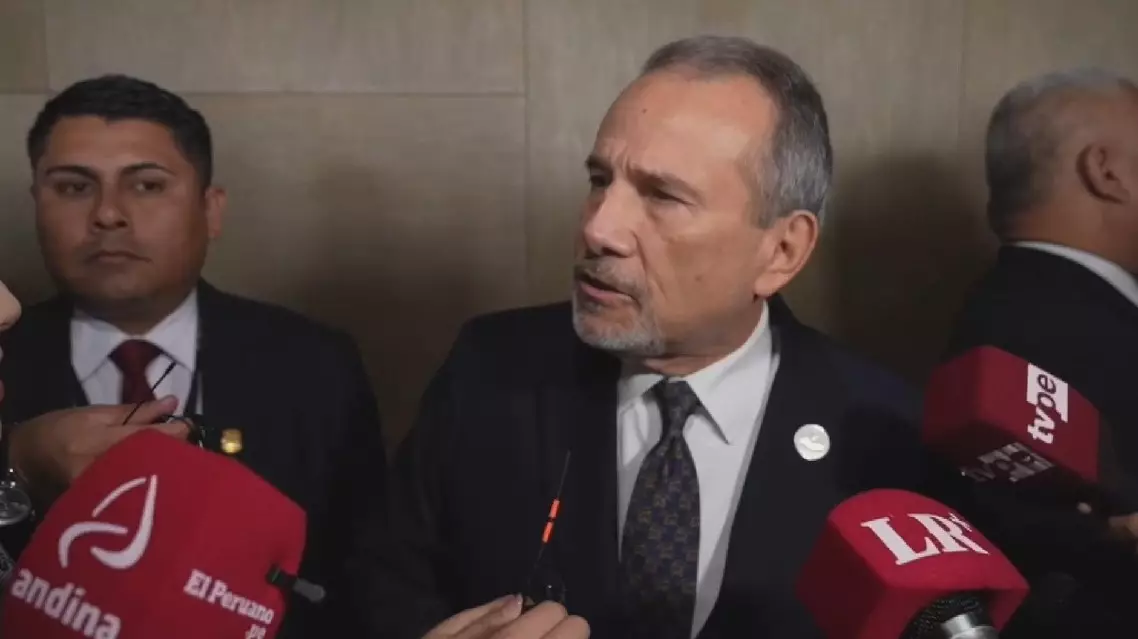
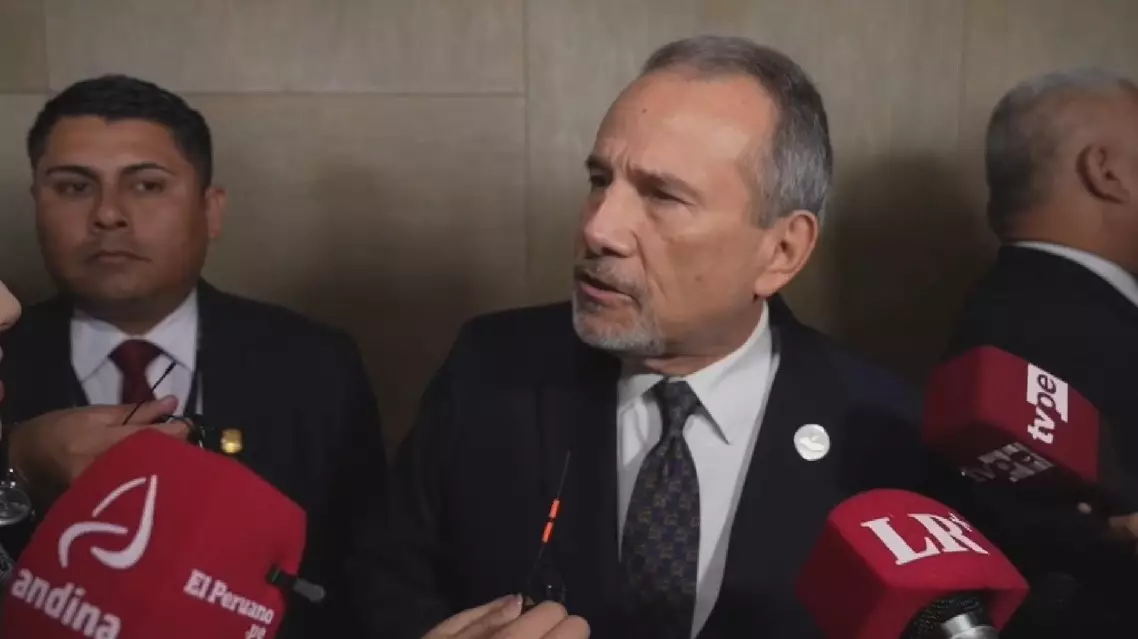
Speaking to press in response to a question from China Global Television Network (CGTN), Elmer Schialer Salcedo highlighted that the launch of the port will bring cost savings and expedited shipping to trade routes connecting South America to Asia.
"The Pacific Ocean, it is not an ocean who separates us, but who really connects us. So, the Chancay Port now will allow to cut in half the time and the cost in connecting South America, the southern part of the Pacific coast in Latin America with Asia. (It) will directly connect Shanghai with Chancay, " he said.
"There is even a similarity in name," the foreign minister jested.
At present, China stands as Peru's top trading partner, serving as its largest export market and the main source of imported goods. Meanwhile, Peru holds the position of China's fourth-largest trade partner in Latin America. In 2023, their bilateral trade surged to a total of 37.691 billion U.S. dollars, marking a 0.8 percent increase compared to the previous year.
Chancay Port to halve time, costs linking South America with Asia: Peruvian FM
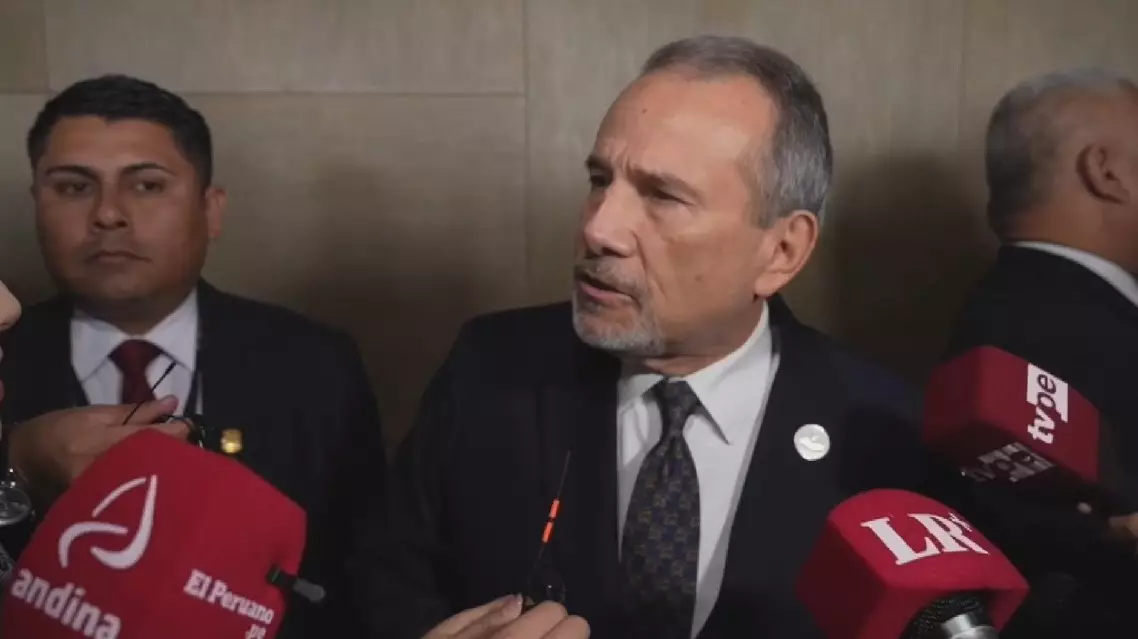
Chancay Port to halve time, costs linking South America with Asia: Peruvian FM
Chancay Port to halve time, costs linking South America with Asia: Peruvian FM