Despite being separated by vast oceans and thousands of years, the ancient civilizations of China and Peru share a profound connection - a deep respect for the natural world.
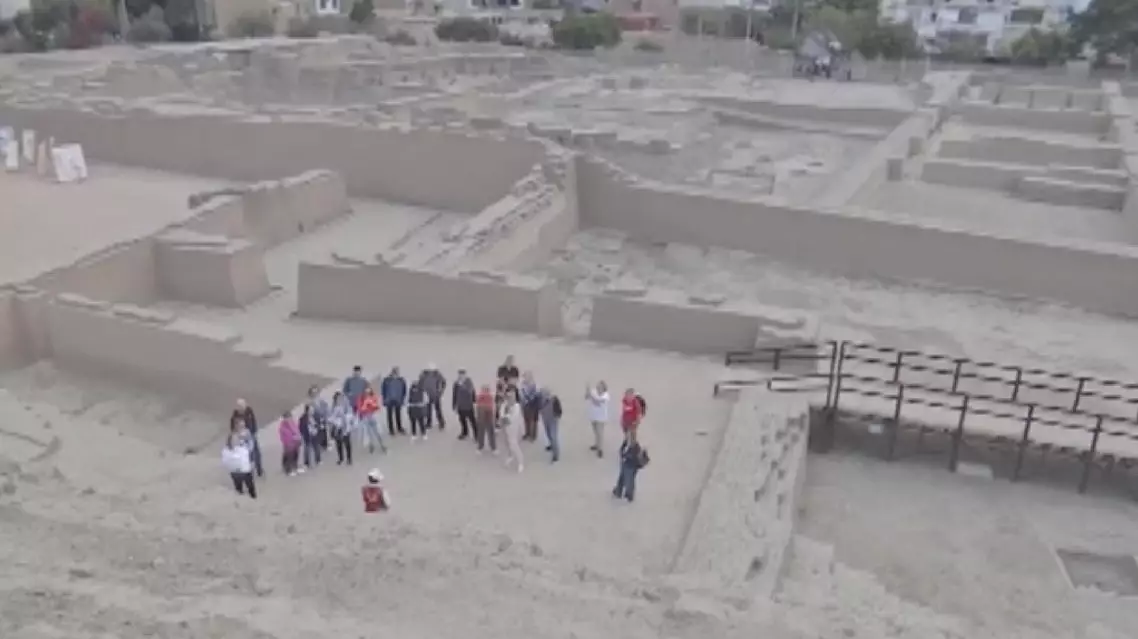
In Lima, the Huaca Pucllana, a pre-Inca ceremonial site, stands as a testament to this ancient reverence. Built 1,500 years ago to honor the Apu, or "God of the Sea," it reveals the importance of the ocean to early cultures.
"I think most cultures are connected to nature, especially true for Lima culture located just two kilometers from the sea. Symbols like the shark are prominent in the rituals. They would strike the shark's head with a stone to break the vessel as an offering," said Gladys Paz Flores, archeologist.
This reverence for nature echoes across the Pacific to the ancient Shu people of southwest China. In Chengdu City, once the heart of the ancient Shu kingdom, the Jinsha archaeological site reveals intricate artwork and rituals dedicated to nature.
"The Sun and Immortal Birds [is] a powerful symbol of sun worship. Similarly, in Peru, Inca rulers called themselves 'descendants of the sun' and built temples in its honor. It's magical," said Wang Fang, deputy director of Jinsha Site Museum.
For the first time, that magic is being shared with Peru at a joint exhibition, where some selected artifacts from the ancient Shu civilization, dating back over 4,000 years, are displayed at the Inca Museum in Cusco, in southeastern Peru.
The connection to nature continues to resonate in Peru today. Clara Suyo from Peru's southern basin is proud to showcase her heritage at the APEC 2024, which is underway in Peru.
"This textile reflects the songs of journeys along the riverbanks. Our textiles are passed down from the Inca times. They're deeply connected to Pachamama, our Mother Earth," she said.
Ancient civilizations of China, Peru share deep reverence for nature
China's blue-chip CSI 300 Index made modest gains in the past week thanks to the huge electrification campaign that reduces the country's exposure to the volatile oil price as the continuing conflict in the Middle East enters the second week, said an analyst on Friday.
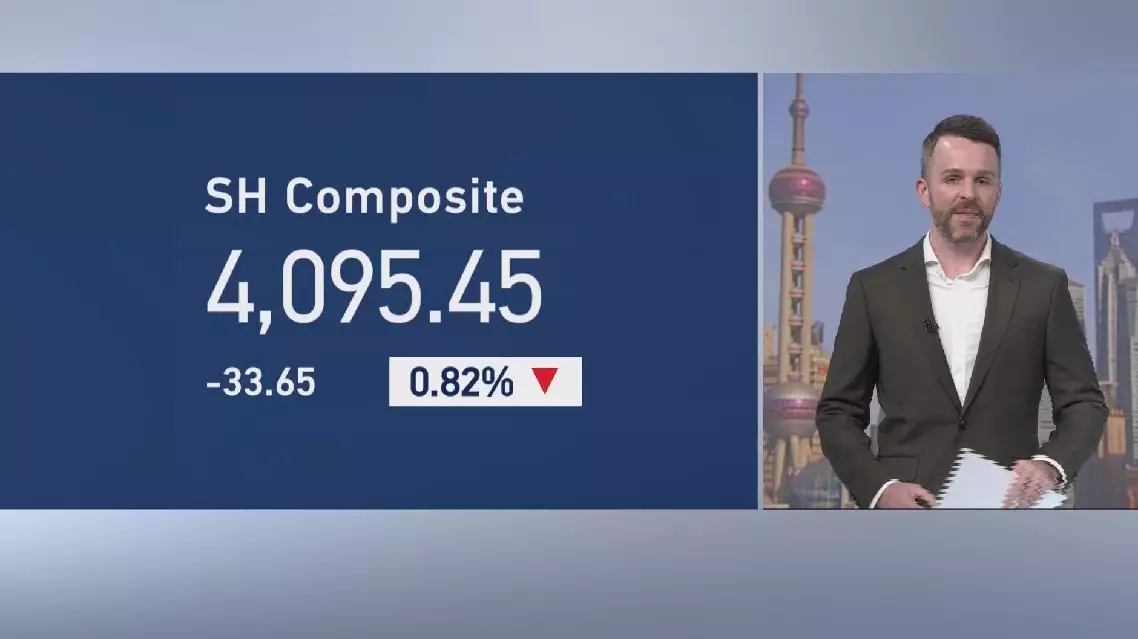
Chinese stocks closed lower on Friday, with the benchmark Shanghai Composite Index down 0.81 percent to 4,095.45 points.
Timothy Pope, a market analyst for China Global Television Network, said the CSI 300 Index made modest gains despite a rough week for both Chinese and global stock markets.
"The conflict in the Middle East really shows no sign of winding down and it has been as you said another rough week for the global markets. Today the Shanghai Composite Index closed down 0.8 percent, and ended lower for the week as well, but the blue-chip CSI 300 Index actually managed to make some modest gains this week. And that fits what we've been hearing from analysts and investment banks, including Morgan Stanley and UBS. They've said that China's got less oil exposure than other economies. This is partly because of the huge electrification campaign which has been happening in China from family cars to road haulage, and also just the total energy mix here. But we know that oil isn't the only thing that's not getting out of the Middle East at the moment. Fertilizer has emerged as another big disruption point and we have seen in the last 48 hours China already begin early releases of fertilizer reserves ahead of the spring planting season. With all that in the mix we have seen the likes of Morgan Stanley and UBS touting A-shares as a diversification option and a resilient market in this risk-off investment environment," said Pope.
"Sector-wise today we saw some consumer stocks rising -- led by liquor makers, in particular, Kweichow Moutai. There were also some limited gains for Chinese real estate and financial firms. But with the oil price still extremely volatile, Chinese resources and energy shares pulled back today to become the two worst-performing sectors," said Pope.
Chinese blue-chip stocks make gains amid a rough week for global markets: analyst