From hydrogen to solar power, China has stepped up efforts in energy transition, and provided comprehensive solutions for other countries to reduce carbon emissions.
A report on China's energy transformation outlook was recently released in the China Pavilion of the ongoing 29th session of the Conference of the Parties (COP29) to the United Nations Framework Convention on Climate Change in Baku, Azerbaijan.
It is estimated that efforts to achieve the country's carbon neutrality goal in 2060 will attract over 100 trillion yuan (about 13.81 trillion U.S. dollars) in investment.
According to the report, in China, electricity's share of final energy demand will increase from about 28 percent in 2023 to some 60 percent in 2060. The proportion of hydrogen energy in final energy demand will increase to around 12 percent in 2060. And the proportion of wind-and-solar-power-generated green hydrogen is also expected to see significant increase.
During an interview with China Media Group (CMG) on the sidelines of the COP29, Ma Yongsheng, president of China's state oil and gas enterprise Sinopec elaborated on the company's plans to promote hydrogen supply and use.
"We will launch a 30,000-ton-per-year green hydrogen coal-chemical comprehensive demonstration project in Ordos. At the same time, we are actively promoting the conversion of green electricity from Ulanqab League into green hydrogen and transporting it to the Beijing-Tianjin-Hebei region to provide green hydrogen to energy, chemical and metallurgical industries in the region," said Ma.
Speaking with CMG, Zhu Liyang, president of China Association of Circular Economy, suggested that China, which is endowed with abundant agricultural resources, could work to convert straw into hydrogen.
"We use biomass. China is a large agricultural country. There are nearly one billion tons of agricultural straw. They can be turned into briquettes to replace some of coal-fired boilers. At the same time, with technological innovation, they can produce hydrogen," said Zhu.
In addition to speeding up green transformation domestically, China has played a constructive role in boosting energy transition around the world, according to the experts attending the COP29.
With the rapid development of China's green technologies, the cost of power generation has become significantly lower. China's exports of photovoltaic, wind power, hydrogen production equipment, and computing infrastructure have provided more cost-effective solutions for other countries to reduce carbon emissions.
"The overall demand in the entire Asia-Pacific market, the Middle East, the Far East, and even developing countries in Africa and South America, is very strong. The solutions integrating renewable energy with computing power are also adopted by more countries," said Ju Jing, the founder of Chinese infrastructure service provider BCI Group.
"We have now built the world's largest and most complete new energy industry system. We have brought down solar power generation costs by 80 percent. In 2023, our exports of wind power and solar power products helped other countries reduce carbon emissions by 810 million tons," said Wen Hua, deputy head of the Department of Resource Conservation and Environmental Protection under the National Development and Reform Commission (NDRC).
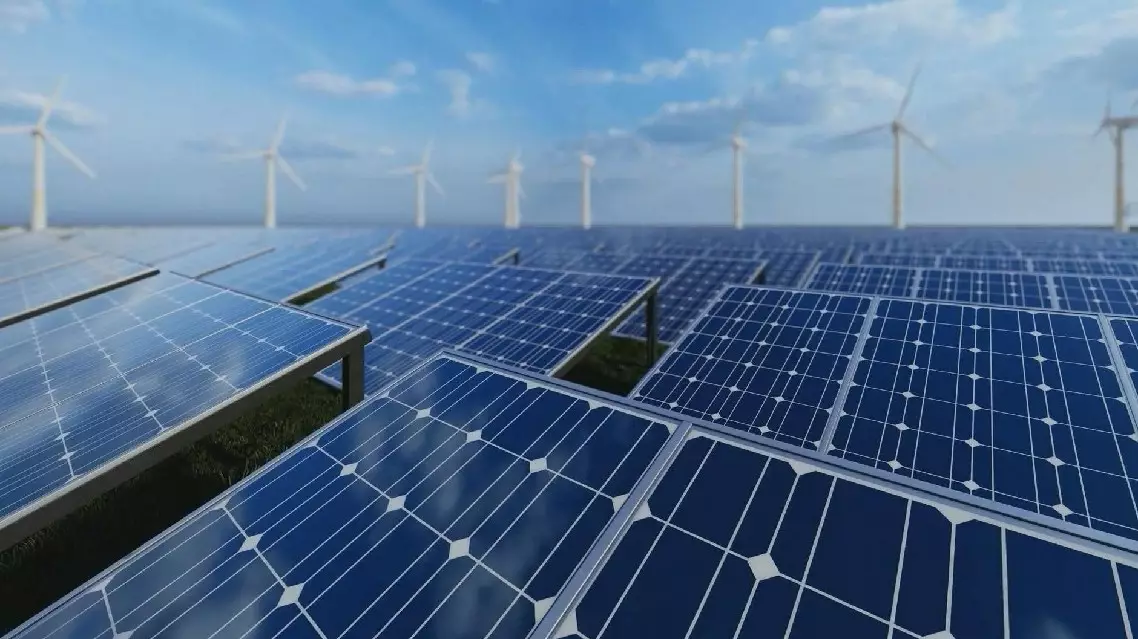
China's green tech offers new solutions for global carbon reduction efforts