The use of Chinese renminbi (RMB) is gaining traction in Brazil when it comes to major transactions and settlements, as more Brazilian businesspeople are choosing to make direct use of the currency to speed up the payment process.
As more Chinese banks and enterprises set up shop in Brazil, locals are provided with a fresh choice, with some becoming more willing to bring their business to Chinese-run banks, given the improved efficiency and convenience.
China's Bank of Communications has recently joined hands with one of the oldest banks in Brazil, the Bank of Bahia, as seeks to grow its customer base.
Almost a decade ago, the Bank of Communications, also known as BOCOM, acquired an 80 percent controlling share in Banco BBM, Brazil's oldest financial institution which was founded back in 1858 -- marking the first financial joint-venture between Brazil and China.
In an interview with the China Global Television Network (CGTN), Alexandre Lowenkron, the Executive President of the BOCOM BBM Bank, said the bank already had a strong reputation and a huge base of local clients when the deal went through in 2015.
Now, trade between China and Brazil continues to increase and currently totals more than 170 billion U.S. dollars a year, meaning settlements in the countries' direct currencies are becoming more appealing.
"Since 2020, we were the first bank to be part of the bond connect. So we could offer Brazilian investors access to bonds investment in China. Since last year, we joined CIPS, and this was a major change," he said, referring to the Cross-border Interbank Payment System (CIPS), which deals in RMB cross-border settlements. "We have been witnessing an increasing trend in the use of renminbi to settle transactions, be them trade transactions or investment transactions directly from renminbi to Brazilian reals," he added.
In addition, Lowenkron stressed it is significant for China and Brazil to build closer ties with the possibility of more direct settlements in RMB and direct exchange between the two currencies - with the streamlined process bringing much greater convenience by removing reliance on the dollar.
"What we see is that first, there is a cost benefit because you do not need to do two effects to send the money to China or from China to Brazil, because before you would need to change your renminbi to dollars and dollars to BRL, or [for] the Brazilians the same thing from BRL to dollar and then to renminbi. So you have one less step which clearly brings an economic benefit in reducing the transaction cost, but also operationally, [by] being connected to China's settlement infrastructure and the banking infrastructure, we can do it much faster," he said.
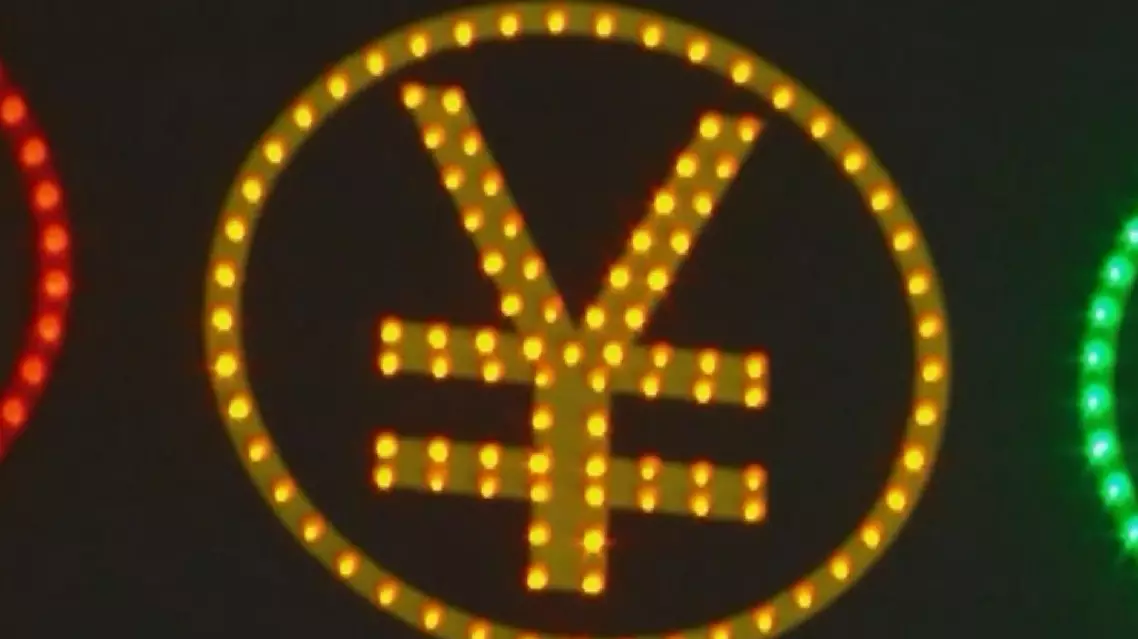
Usage of RMB in major transactions sees growth in Brazil