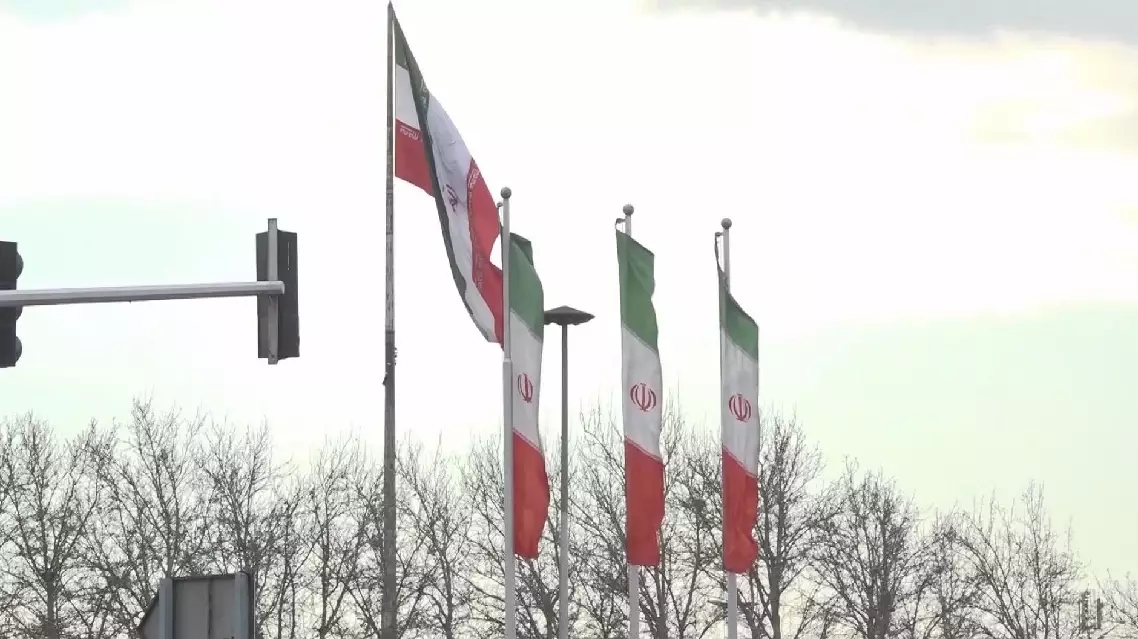
Speaker of the Parliament of Iran Mohammad Bagher Ghalibaf reportedly announced on Sunday that Iran began to install a series of new and cutting-edge centrifuges in response to a resolution which was advanced by the United States, Britain, France and Germany and passed by the United Nations nuclear watchdog International Atomic Energy Agency (IAEA).
On Sunday night, Iranian Foreign Ministry Spokesman Esmaeil Baghaei announced that Iran will hold talks at the deputy foreign minister level with Britain, France and Germany on Friday, with a focus on bilateral, as well as regional situations such as the Palestinian-Israeli issue, the Lebanese issue, and the Iranian nuclear issue.
Regarding its nuclear issue, the Iranian government has repeatedly stressed that the IAEA, as a non-political international organization, should not be subject to the political influence of some countries, and should adhere to professionalism and technicality to solve relevant issues with Iran.
The deputy chairman of the National Security and Foreign Policy Committee of the Iranian Parliament said that European countries are trying to create tensions with Iran on the nuclear issue. Iran will not accept any conditions under pressure, nor will it compromise on Iran's national interests in the negotiations. In addition, he emphasized that Iran is also willing to stop the other party's misunderstanding and misjudgment through dialog and negotiation.
Also on Sunday, Ali Larijani, a senior adviser to the country's supreme leader, said in an interview that Iranian military officials are formulating plans and programs to respond to Israel's aggression. Regarding the situation in Lebanon and Israel, he pointed out that Hezbollah in Lebanon has become a missile maker, and it is impossible to eliminate Hezbollah from the political environment in Lebanon.
This month, Larijani visited Syria and Lebanon to consult on the Israeli-Palestinian conflict and the Israeli-Lebanese conflict.
Analysts pointed out that Larijani's visit is intended to convey a message that Iran will continue to firmly support resistance forces in Lebanon, Syria and other regions, and will continue to resist Israel's aggression against many countries across the region.
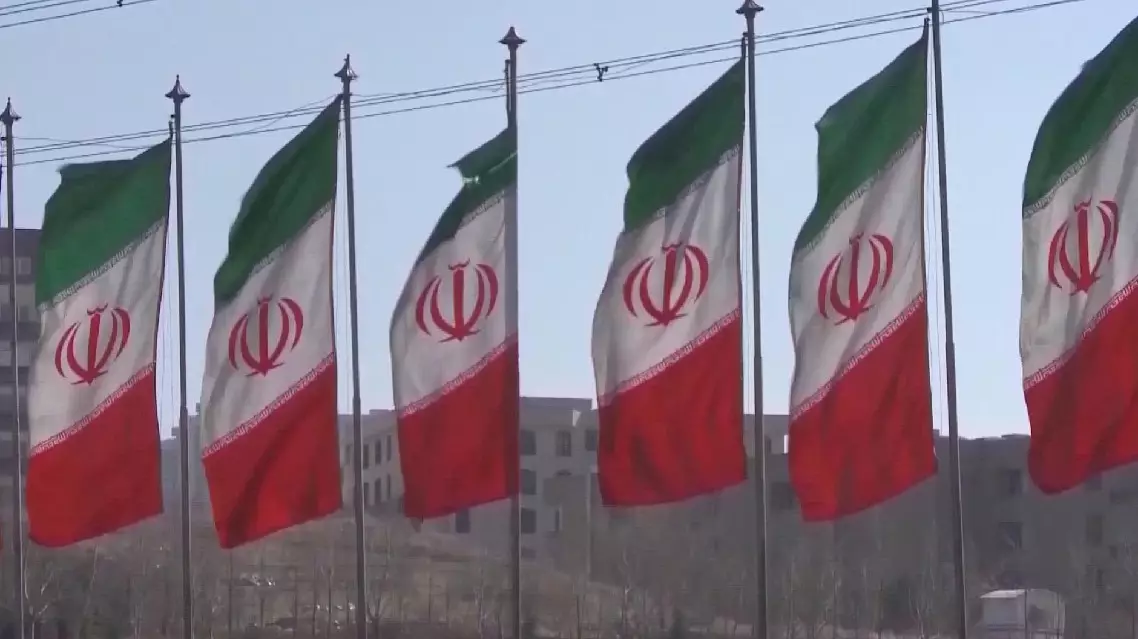
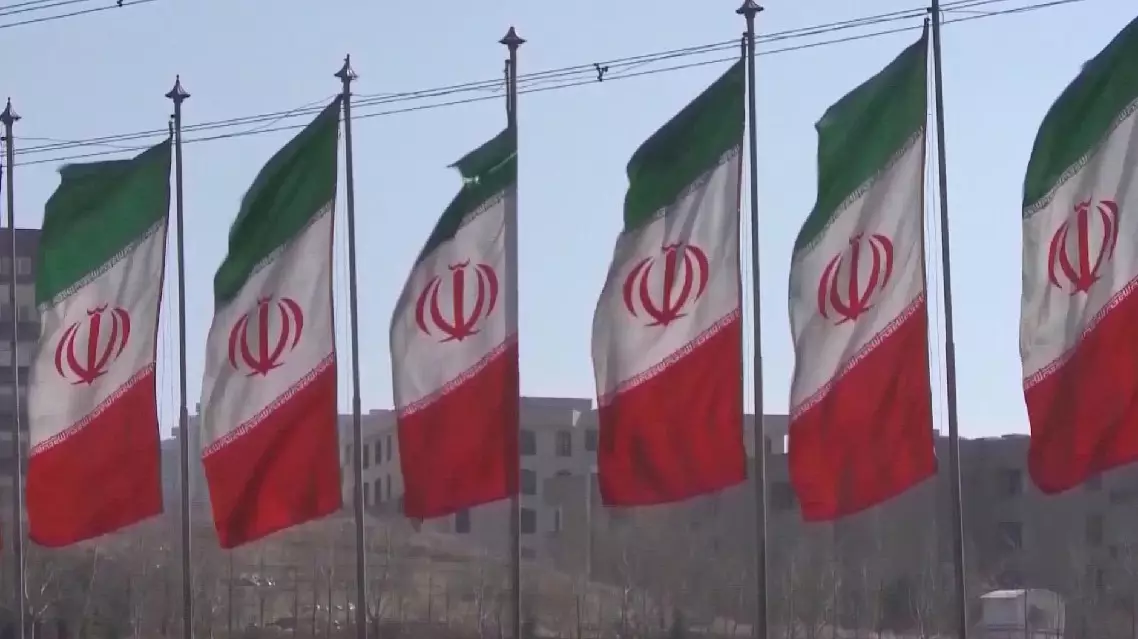
Iran installs new, advanced centrifuges in response to IAEA resolution
Thai and Cambodian leaders must find a way to resolve their differences through talks and not on the battlefield, according to a former Thai foreign minister, who also believes China could be in a unique position to serve as a mediator given its strong ties with both sides.
Border clashes between the two sides have reignited since Dec 7 -- less than two months after the two sides signed a joint peace declaration -- with both trading the blame for instigating the attacks.
The latest round of fighting has left at least 19 Thai soldiers and 19 Thai civilians dead, with over 270,000 people displaced, Thailand's defense ministry announced on Wednesday.
Meanwhile, on the same day, the Cambodian Defense Ministry said that 17 civilians have been killed and 77 injured as the Thai military forces have continued airstrikes and artillery shelling into Cambodian territory, with over 438,000 individuals fleeing their homes.
With the two sides continuing to point the finger of blame and trade accusations of attacks on civilians, peace talks appear to be a long way off.
Kasit Piromya, who formerly served as Thailand's Minister of Foreign Affairs, urged the two countries' leaders to put people first, set aside their pride and find a resolution.
"The people must be the priority, not the victory or losses or the battlefield. It's detrimental and destructive to all. It is easy to arouse the passion, but [the sign of] great leaders, great statesmen is to be able to overcome the nationalistic sentiment and come back to the sense and sensibility and to start to talk with one another," he said.
China has called for utmost restraint and every possible measure conducive to a ceasefire to ensure de-escalation of tensions as soon as possible, a Chinese foreign ministry spokesman told a daily press briefing on Monday.
China supports direct dialogue and consultation between the two countries, as well as the efforts of ASEAN -- and Malaysia, in particular -- to promote peace talks, and the pursuit of a mutually acceptable solution within the ASEAN framework, according to the spokesman.
Piromya said he believes China could play a constructive role in a peace process between the two sides.
"China has been having, I think, more or less an excellent bilateral relationship respectively with Thailand and Cambodia. So China is in a very unique and great position to bring the two sides, Cambodia and Thailand, together," Piromya said.
Former official urges Thailand, Cambodia to make people priority, end border clashes