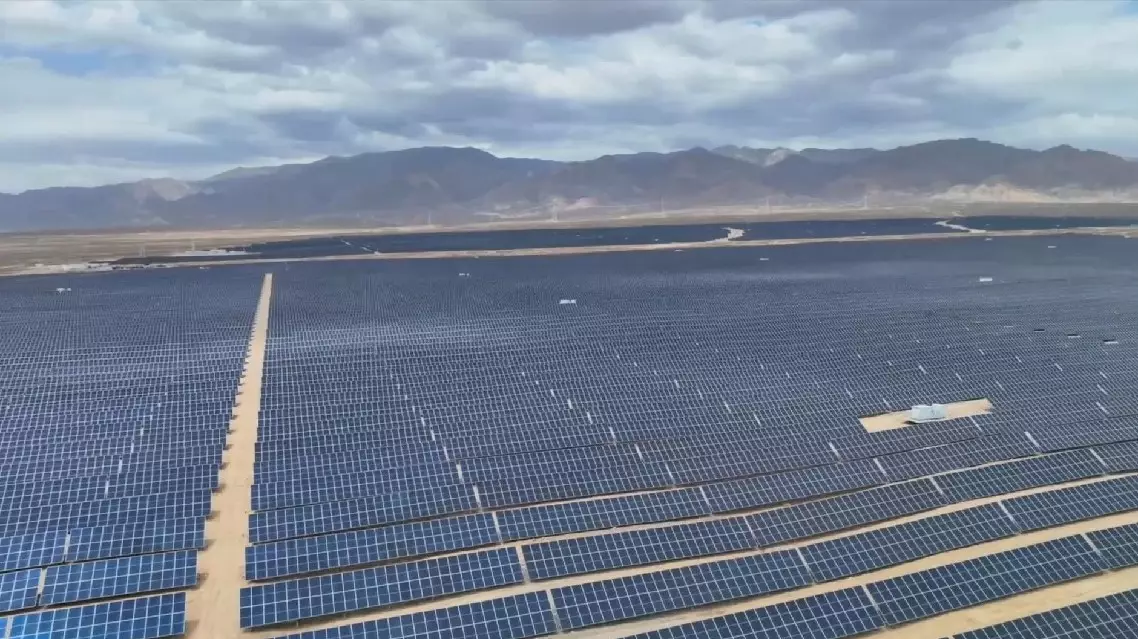
China is on track to establish a national unified power market by 2035, with a preliminary structure to be established by 2025, according to a bluebook released by the China Electricity Council on Friday.
Clear pathways will be defined for renewable energy participation and mechanisms to ensure reasonable returns on renewable energy investments will be explored in the next few years, according to the National Unified Power Market Development Plan Bluebook. The first phase, from 2024 to 2025, is the initial development period.
According to the plan, the top-level design for power market will be largely completed before 2025, with a significant uplift in market-based power trading, and market mechanisms for pricing and transactions promoting green and low-carbon industries of renewable energy and energy storage preliminarily taking shape.
The second phase, from 2026 to 2029, will be the comprehensive development period.
Efforts will be made to push for unified basic market rules, fair and consistent regulation and high-standard market connectivity by 2029. This will include full coverage of provincial-level spot markets and full participation of new energy resources in market transactions, so that power resources will be better allocated and distributed on a greater scale nationwide.
The final phase, from 2030 to 2035, will focus on refinement and improvement.
By 2035, China will basically realize national unified power market, with unified rules, technical standards, operational platforms and market supervision.
The goal is to create a more equitable and dynamic market environment where electricity prices could fully reflect the value of various resources, so that power resources will be better allocated with highly efficient usage in an all-round way nationwide.
China to build unified power market by 2035
The Republic of Korea (ROK)'s former impeached President Yoon Suk-yeol on Friday was sentenced to five years in prison on arrest obstruction charges.
The criminal division of the Seoul Central District Court in charge of Yoon's obstruction of justice case handed down the prison sentence to Yoon for abusing the presidential security service to hinder the anti-corruption agency from executing its arrest warrant in January 2025.
The Corruption Investigation Office for High-ranking Officials (CIO) was once thwarted in its attempt to arrest Yoon as the presidential security service formed human shields and bus blockades to prevent investigators from entering the presidential residence.
The team of Cho Eun-suk, an independent counsel who led investigations into Yoon's insurrection and other charges, demanded a 10-year prison term for Yoon.
The court said Yoon privatized the presidential security service for personal safety and private interests by blocking the law enforcement agencies' lawful execution of an arrest warrant and attempting to destroy evidence, pointing out that despite the very bad nature of his crime, he consistently offered unconvincing excuses and showed no remorse.
The court stressed that severe punishment was necessary, considering the need to restore the rule of law damaged by Yoon's crime, but it noted that the fact that he was a first-time offender with no criminal record was considered a favorable factor.
The sentencing, which was broadcast live, was Yoon's first verdict coming from his botched martial law bid.
The first-instance sentencing for Yoon's insurrection charges was scheduled for Feb 19. The special counsel sought a death penalty for Yoon on the charges.
Yoon declared emergency martial law on the night of Dec 3 in 2024, but it was revoked hours later by the National Assembly.
The constitutional court upheld a motion to impeach Yoon in April 2025, officially removing him from office.
The ousted leader was indicted while in detention in January 2025 on charges of leading an insurrection, becoming the first sitting ROK president facing such prosecution.
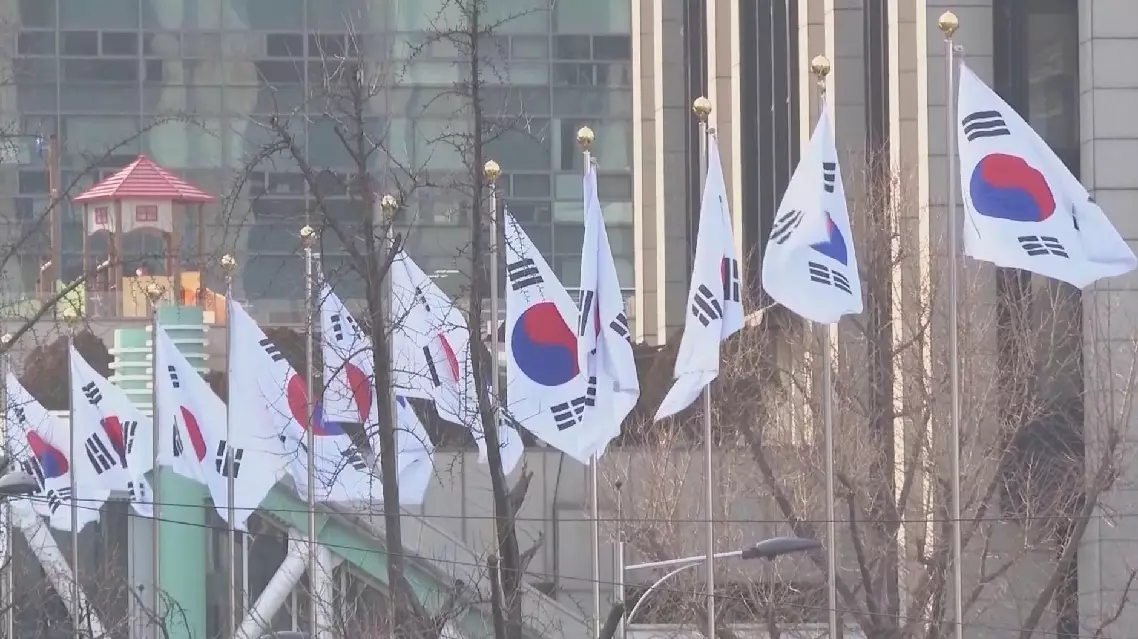
ROK ex-president Yoon sentenced to 5 years in prison on arrest obstruction charges