Shanghai Pudong International Airport has witnessed a substantial surge in both inbound and outbound passenger traffic since the implementation of China's new visa-free policy, with passenger numbers doubling.
China on Friday announced the expansion of its visa-free policy to citizens from 38 countries, which is expected to further facilitate cross-border travel and strengthen international connectivity.
Starting November 30, 2024, China will welcome visa-free entry for passport holders from Bulgaria, Romania, Croatia, Montenegro, North Macedonia, Malta, Estonia, Latvia, and Japan. Eligible visitors can stay in China for up to 30 days for tourism, business, family visits, or transit.
Shanghai Pudong International Airport Customs has streamlined entry procedures, ensuring passengers can complete necessary formalities in just 30 minutes.
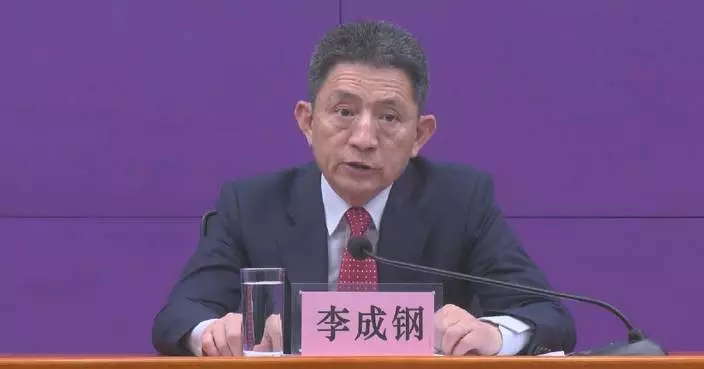
"We have deployed 98 intelligent inspection and health examination devices to allow inbound and outbound passengers to truly experience the efficiency brought by our 'intelligent travel inspection' initiative. Currently, the average clearance time for inbound passengers at Pudong Airport has been reduced by 50 percent compared to 2023. Most passengers can now enter the country without queuing," said Zhou Yichen, a Customs officer at Shanghai Pudong International Airport.

New visa-free policy fuels surge in passenger trips at Shanghai Pudong Airport
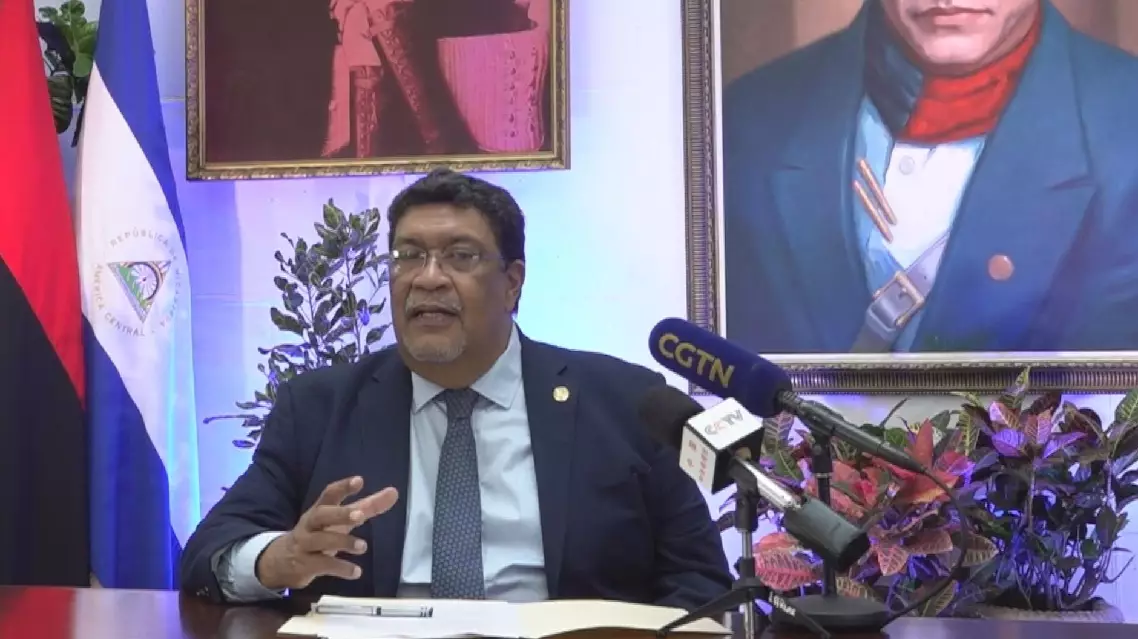
Nicaragua's co-foreign minister Valdrack Jaentschke has warned that militarism must never be allowed to rise again, as Japan's recent moves to lift its arms export ban and revise the pacifist Constitution continue to draw international concern.
This year marks the 80th anniversary of the opening of the Tokyo Trials, where Japan's Class-A war criminals from World War II were brought to justice.
In an interview with China Global Television Network (CGTN), Valdrack Jaentschke voiced his concern that today's world order is being undermined by interventionism and other challenges.
"It is necessary for us to remember that after the end of World War II, countries worked hard to build a new international order based on international law. However, regrettably, more than 80 years later, we are seeing that this once explored and attempted order is being challenged by interventionism, a confrontational mindset, and tendencies like 'might makes right.' These are precisely the conditions that gave rise to fascism and militarism in the past, which ultimately led to the tragedy of World War II," he said.
He said the international community has a responsibility to pursue a new international order -- one fundamentally grounded in peace.
"Looking back at the history more than eight decades ago and comparing it with today's reality, it is our responsibility to recognize that the world should, and must, build a new international order that is more just, fairer, rooted in international law, based on a logic of mutual benefit and shared success, and fundamentally grounded in peace," said the minister.
"Today, as we revisit the Tokyo Trials, it is meant to remind the world that such a tragedy must never be repeated -- and that we must do everything in our power to prevent it from happening again. We must stop that dark world -- born from militarism, interventionism, and fascism -- from ever returning," he said.
Nicaraguan FM warns of militarism revival