JEFFERSON CITY, Mo. (AP) — President Joe Biden's administration has withdrawn a proposed overhaul of workplace apprenticeship programs after facing pushback from business groups concerned about the costs and Republican state attorneys general opposed to new diversity requirements.
The U.S. Department of Labor confirmed Wednesday that it won't be moving forward with a proposed rewrite of the National Apprenticeship System rules. A department spokesperson declined to explain why the proposal was withdrawn.
The agency had previously cited a need to modernize an on-the-job-training system that has remained largely the same since 2008. Registered apprenticeship programs approved by the federal government or states provided training and education for hundreds of thousands of workers in fields ranging from construction to manufacturing to public administration.
The proposed rule change would have required apprenticeship program sponsors to recruit people from “underserved communities," which it defined to include women, people of color, those with disabilities and people who are lesbian, gay, bisexual and transgender, among others. It also would have required state apprenticeship agencies to develop plans for advancing diversity, equity, inclusion and accessibility.
A group of two dozen Republican state attorneys general objected, asserting the proposal could have run awry of a U.S. Supreme Court ruling that prohibited race as a deciding factor in college admissions, striking down affirmative action programs.
Some business groups asserted that increased oversight and reporting requirements could have driven up costs of apprenticeship programs while other proposed changes could have reduced flexibility and participation. The proposal would have required at least 2,000 hours of paid on-the-job training, eliminating an option to finish sooner for workers who prove their competence.
The decision to back off the rule change was welcomed by Associated Builders and Contractors, which has about 450 government-registered apprenticeship programs in 20 occupations.
The proposal amounted to “a massive increase in red tape” that would have made the apprenticeship system "even more complicated and less attractive,” said Ben Brubeck, the group’s vice president of regulatory, labor and state affairs.

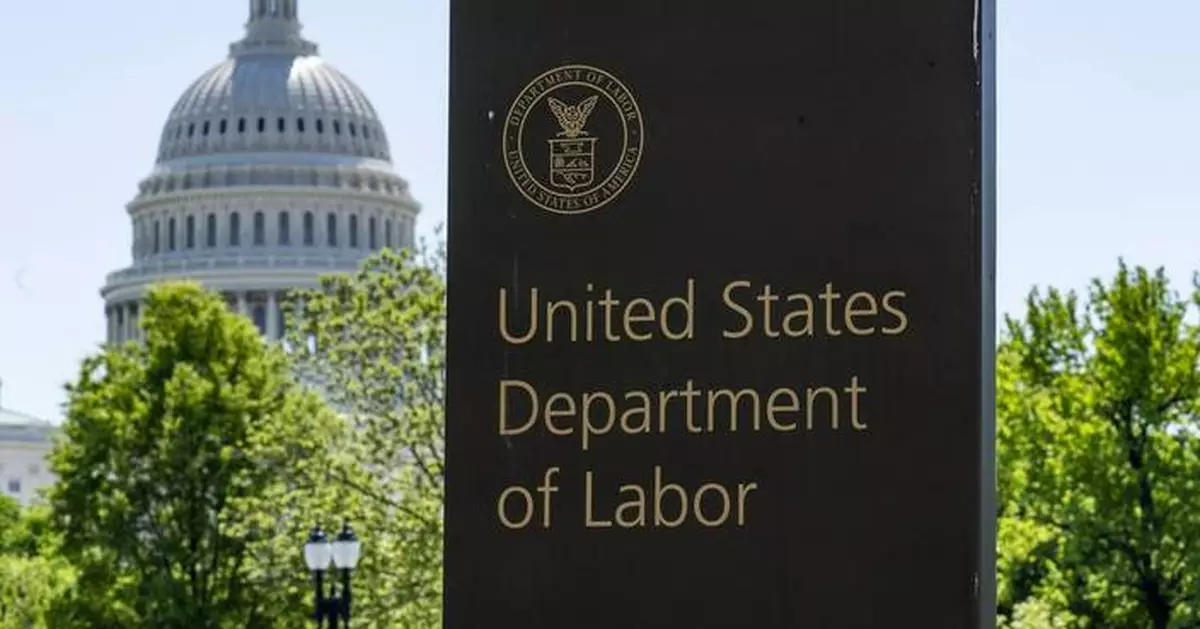
FILE - The entrance to the Labor Department is seen near the Capitol in Washington, May 7, 2020. (AP Photo/J. Scott Applewhite, File)
LJUBLJANA, Slovenia (AP) — Slovenia’s parliament on Friday appointed right-wing populist politician Janez Jansa as the new prime minister, in a shift for the small European Union country that was previously run by a liberal government.
Lawmakers backed Jansa in a 51-36 vote in the 90-member assembly. The new prime minister will need to come back to Parliament within the next 15 days for another vote to confirm his future Cabinet.
Jansa's appointment concludes a postelection stalemate in Slovenia after a parliamentary ballot two months ago ended practically in a tie. Former liberal Prime Minister Robert Golob's Freedom Movement won by a thin margin but he was unable to muster a parliamentary majority.
Jansa and his populist Slovenian Democratic Party signed a coalition agreement this week with several right-wing groups. The new government also has the backing of a nonestablishment Truth party that first emerged as an anti-vaccination movement during the COVID-19 pandemic.
The new term in office will be the fourth for the veteran Slovenian politician. Jansa, 67, is an admirer of U.S. President Donald Trump and was a close ally of former populist Hungarian Prime Minister Viktor Orbán, who was defeated in a landslide election last month.
Jansa in a speech listed the economy, fight against corruption and red tape, and decentralization as key goals of the future government. He has promised to lower taxes for the rich and support private education and healthcare.
Critical of the previous government's alleged “inefficiency," Jansa said the new government will turn Slovenia into “a country of opportunity, prosperity and justice, where each responsible citizen will feel safe and accepted."
Like Orban, Jansa was staunchly anti-immigrant during the huge migration wave to Europe in 2015. Also like Orban, Jansa has faced accusations of clamping down on democratic institutions and press freedoms during a previous term in 2020-2022. This led to protests at the time, and scrutiny from the European Union.
Golob in his speech described Jansa as “the greatest threat to Slovenia’s sovereignty and democracy."
Alleging that Jansa had threatened to arrest him, Golob said Jansa's "idea of democracy is that anyone who dares speak a word against you deserves only the worst.”
Jansa, a supporter of Israel, also has been a stern critic of the Golob government's 2024 recognition of a Palestinian state.
The vote on March 22 was marred by allegations of foreign influence and corruption. The around 2 million people in the Alpine nation are deeply divided between liberals and conservatives.
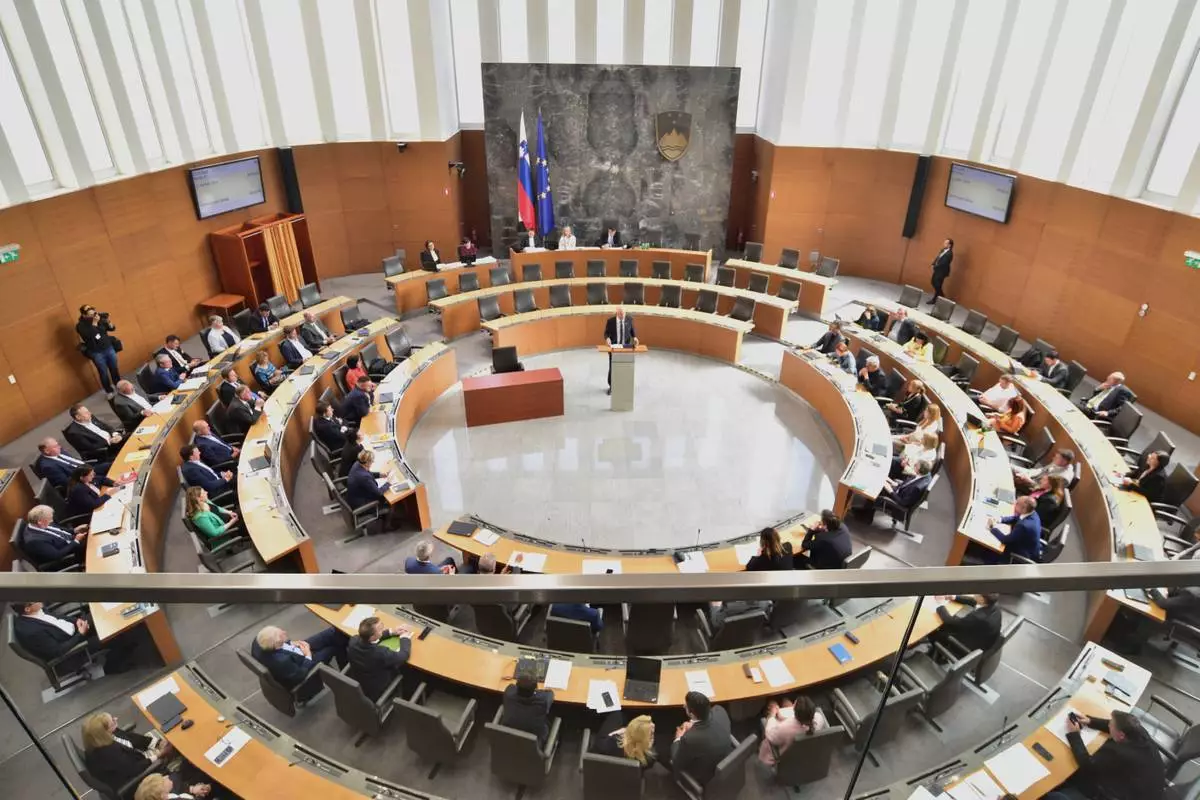
Janez Jansa, center, addresses the Slovenian Parliament during a session in Ljubljana, Slovenia, Friday, May 22, 2026, before appointing him as prime minister, ending a political deadlock after tight elections in March. (AP Photo/Igor Kupljenik)
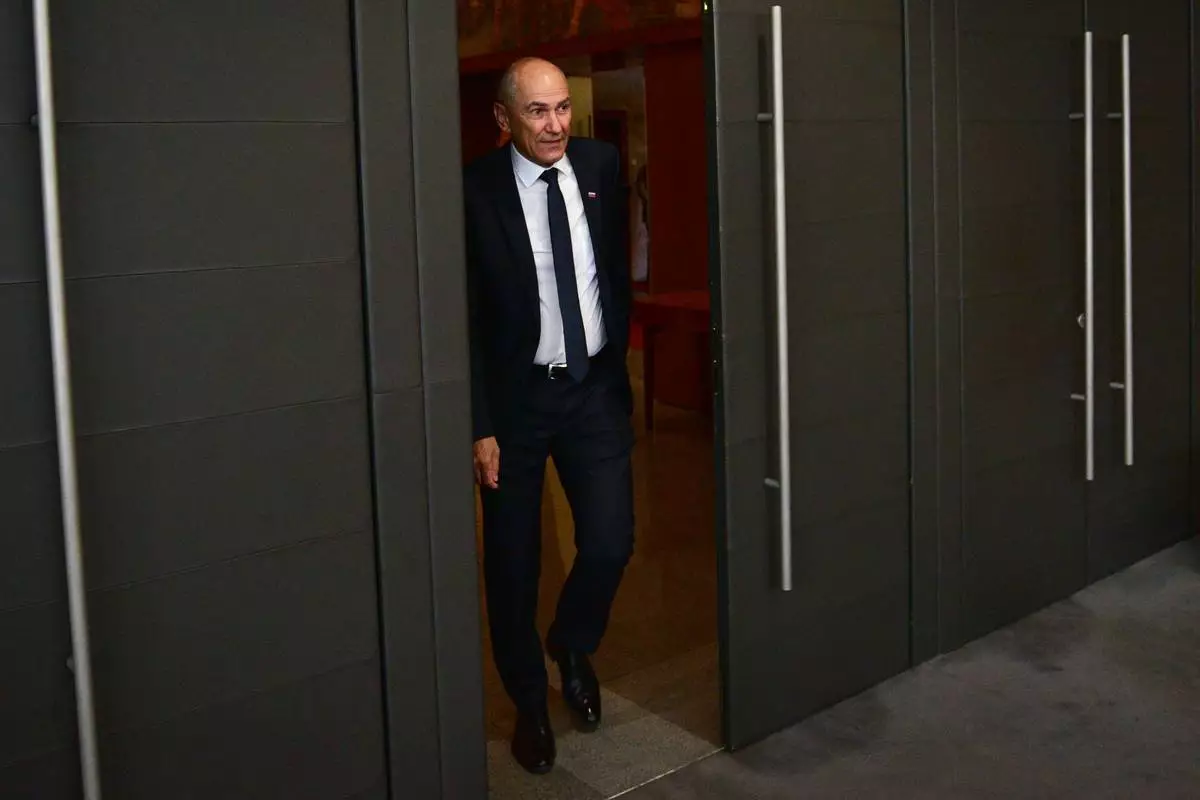
Janez Jansa arrives for a session of the Slovenian Parliament in Ljubljana, Slovenia, Friday, May 22, 2026, before appointing him as prime minister, ending a political deadlock after tight elections in March. (AP Photo/Igor Kupljenik)
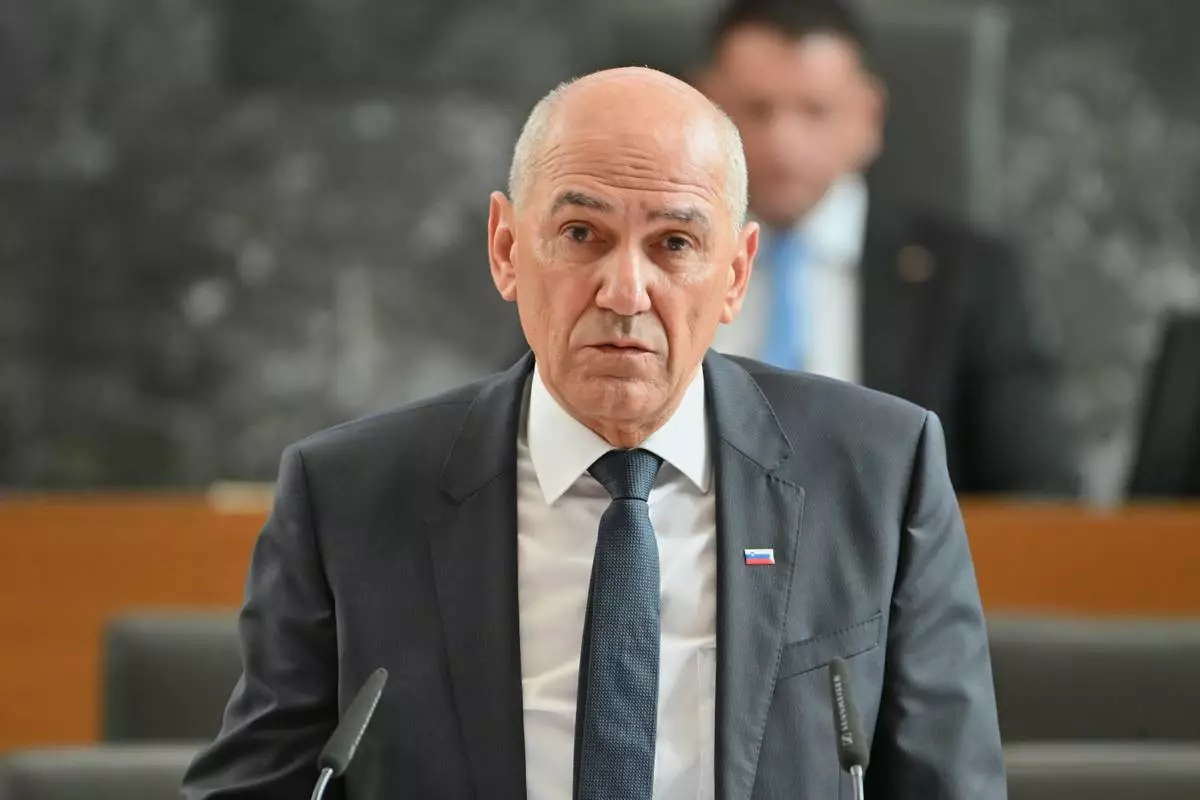
Janez Jansa addresses the Slovenian Parliament during a session in Ljubljana, Slovenia, Friday, May 22, 2026, before appointing him as prime minister, ending a political deadlock after tight elections in March. (AP Photo/Igor Kupljenik)